1925 Union Valley Road, Hewitt, NJ 07421


What to Do If Your Dog Has Fleas: A Beginner’s Guide
Fleas are one of the most common problems dog owners face, and they can quickly turn from a minor annoyance into a full-blown infestation. If you’ve noticed your dog scratching more than usual or spotted tiny black specks in their fur, you’re probably asking yourself: what to do if your dog has fleas?
This beginner-friendly guide walks you through exactly what to look for, what actions to take right away, and how to prevent fleas from coming back. Every step is clear, practical, and designed to help you make confident decisions for your pet.
Understanding Fleas and Why They Matter
Fleas are small, wingless parasites that survive by feeding on your dog’s blood. They reproduce quickly—one flea can lay dozens of eggs each day. Those eggs fall off your dog and spread throughout your home, making the problem bigger than it first appears.
Flea infestations can cause:
- Constant itching and discomfort
- Skin infections
- Hair loss
- Allergic reactions (flea allergy dermatitis)
- Tapeworm infections, if ingested
That’s why early action matters.
Signs Your Dog Has Fleas
Before deciding what to do if your dog has fleas, you need to confirm the problem. Some signs are obvious, while others are easy to miss.
Common Symptoms to Watch For
- Excessive scratching, licking, or biting
- Red or irritated skin
- Hair thinning or patchy fur
- Restlessness or discomfort
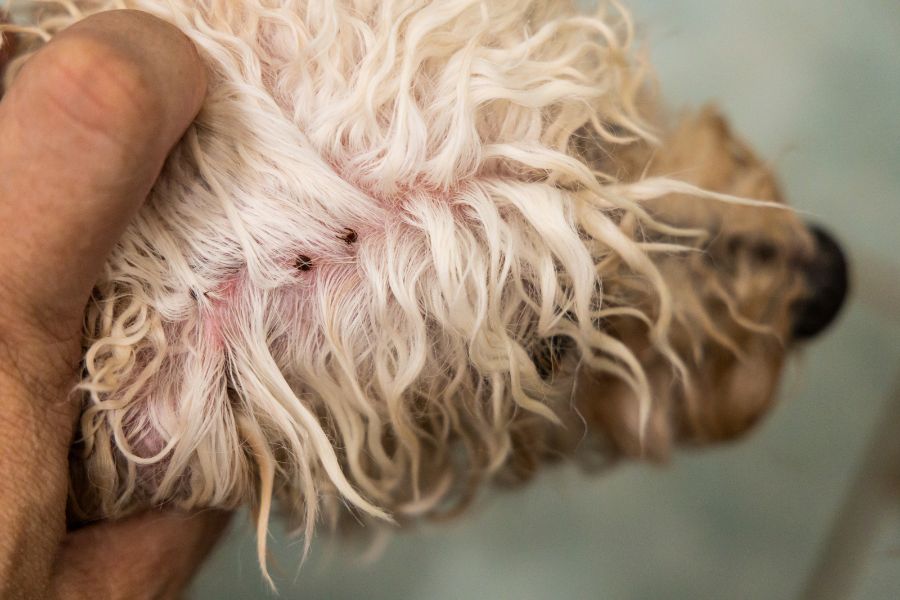
- Small black specks (flea dirt) in the coat
Quick Flea Check at Home
Run a fine-toothed comb through your dog’s fur, especially around:
- The neck
- Base of the tail
- Belly area
If you see black specks, place them on a damp paper towel. If they turn reddish-brown, that’s flea dirt—digested blood.
What to Do Immediately If Your Dog Has Fleas
If you’ve confirmed fleas, act quickly. The longer you wait, the harder it becomes to control the infestation.
Step 1: Give Your Dog a Flea Bath
Use a vet-approved flea shampoo. Work it into the coat and let it sit for several minutes before rinsing. This helps kill adult fleas on contact.
Avoid using dish soap or home remedies unless your veterinarian recommends it. Some methods can dry out your dog’s skin or irritate.
Step 2: Use a Flea Comb
After the bath, use a flea comb to remove:
- Dead fleas
- Flea dirt
- Eggs
Dip the comb in soapy water after each pass to kill any remaining parasites.
Step 3: Apply a Flea Treatment
Choose a reliable flea treatment such as:
- Topical treatments (spot-on)
- Oral medications
- Flea collars (high-quality, vet-approved)
These products don’t just kill adult fleas—they also break the life cycle by targeting eggs and larvae.
If you’re unsure which product is best, check with your veterinarian.
Treating Your Home: A Crucial Step
A big mistake many pet owners make is treating only the dog. Fleas don’t live only on your pet—most of them are in your home.
Clean and Vacuum Thoroughly
- Vacuum carpets, rugs, and furniture daily for at least a week
- Focus on corners, baseboards, and under furniture
- Dispose of the vacuum bag or empty the canister immediately
Wash Fabrics in Hot Water
Wash:
- Dog bedding
- Blankets
- Your own bedding (if your dog sleeps with you)
Use hot water and high heat drying to kill fleas at all life stages.
Consider Home Flea Treatments
You may need:
- Flea sprays
- Foggers
- Professional pest control
Look for products labeled safe for pets and follow all instructions carefully.
Long-Term Prevention: Keep Fleas Away for Good
Once you’ve handled the immediate problem, focus on prevention. This is key to avoiding repeated infestations.
Maintain Monthly Flea Prevention
Consistent use of vet-recommended flea prevention products is the most effective way to stop fleas before they start.
Regular Grooming and Checks
- Brush your dog frequently
- Check for fleas after outdoor activity
- Bathe as needed using gentle, dog-safe products
Keep Your Yard Clean
- Mow the lawn regularly
- Remove debris and leaf piles
- Limit wildlife exposure
Fleas thrive in warm, shaded areas, so keeping your yard tidy reduces risk.
When to Call Your Veterinarian
Some flea problems require professional help. Contact your vet if:
- Your dog has severe itching or skin wounds
- Fleas persist after treatment
- Your dog shows signs of an allergic reaction
- You have multiple pets, and the infestation is widespread
A veterinarian can prescribe stronger treatments and help create a tailored prevention plan.
If you need reliable guidance and care options, take a moment to visit our website for more information on parasite prevention tailored to your pet’s needs.
Common Mistakes to Avoid
When figuring out what to do if your dog has fleas, avoid these common errors:
- Treating only the dog and ignoring the home
- Stopping treatment too early
- Using unsafe or unapproved remedies
- Mixing multiple treatments without guidance
- Skipping preventive care after the infestation clears
Consistency is what makes flea control effective.
FAQs About Fleas on Dogs
1. Should I treat my home if my dog has fleas?
A: Yes. Fleas lay eggs that fall into carpets, furniture, and bedding. Treating your home is essential to stop the life cycle and prevent reinfestation.
2. What works fastest to kill fleas on dogs?
A: Flea shampoos and fast-acting oral medications can kill fleas quickly. Some oral treatments begin working within a few hours.
3. What steps should I take right away if my dog has fleas?
A: Start with a flea bath, follow up with combing, apply a vet-approved treatment, and clean your home thoroughly.
4. Do I need to wash bedding if my dog has fleas?
A: Yes. Wash all bedding—both yours and your dog’s—in hot water and dry on high heat to kill fleas and eggs.
5. Is there a way to eliminate all fleas in the house?
A: A combination of vacuuming, washing fabrics, and using flea control products can eliminate fleas. Severe cases may require professional pest control.
6. Is it safe to cuddle my dog if they have fleas?
A: You can still cuddle your dog, but fleas may transfer to you or your environment. It’s best to begin treatment right away and wash your hands and clothes after close contact.
Conclusion: Take Control Early and Stay Consistent
Dealing with fleas can feel overwhelming at first, but the process becomes manageable when you break it down into clear steps. Start with immediate treatment for your dog, follow through with a thorough home clean-up, and commit to consistent prevention.
Understanding what to do if your dog has fleas helps you act quickly, reduce discomfort for your pet, and prevent future infestations. The key is not just removing fleas—but stopping their life cycle completely.
If you’re currently dealing with fleas, don’t wait. Begin treatment today and stay consistent with prevention to keep your dog comfortable, healthy, and flea-free.