1925 Union Valley Road, Hewitt, NJ 07421


Hydrolyzed Protein Dog Food for Dogs with Chronic Diarrhea
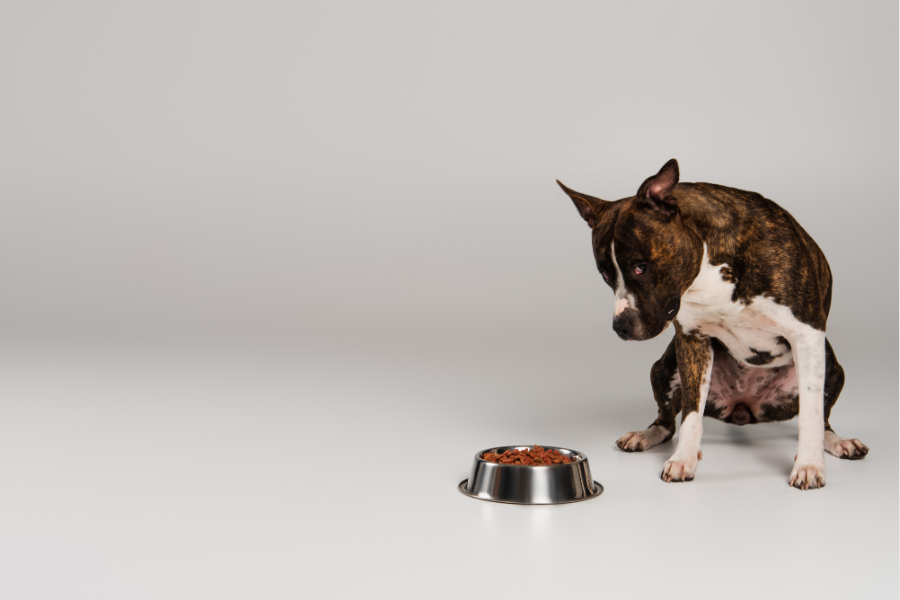
If your dog has been dealing with diarrhea for weeks or keeps having stomach problems that return again and again, you’re probably looking for answers that go beyond temporary fixes. Chronic diarrhea can leave dogs tired, uncomfortable, and unable to absorb the nutrients they need. It can also leave pet owners wondering whether a simple diet change could make a real difference.
One option that often comes up is hydrolyzed protein dog food. These specialized diets are commonly recommended for dogs with food allergies, food sensitivities, and digestive conditions that don’t improve with standard foods.
But how does hydrolyzed protein dog food work? Is it the right choice for every dog with chronic diarrhea?
This guide explains what hydrolyzed protein dog food is, how it supports digestive health, when it may be recommended, and what you should know before making the switch.
What Is Hydrolyzed Protein Dog Food?
Hydrolyzed protein dog food contains proteins that have been broken down into very small pieces through a process called hydrolysis.
Normally, a dog’s immune system recognizes whole protein molecules from ingredients like chicken, beef, or fish. In some dogs, these proteins trigger an unwanted immune response that leads to digestive problems or skin issues.
Hydrolysis changes the protein structure into fragments that are much smaller. Because these pieces are less likely to be recognized by the immune system, they reduce the chance of an allergic reaction.
Many hydrolyzed diets also include:
- Highly digestible carbohydrates
- Balanced vitamins and minerals
- Omega-3 fatty acids
- Controlled fiber levels
- Carefully selected ingredients to reduce digestive stress
These diets are different from limited-ingredient diets because the proteins themselves are modified rather than simply reduced in number.
What Counts as Chronic Diarrhea in Dogs?
Occasional diarrhea happens for many reasons, including dietary changes or eating something inappropriate outdoors.
Chronic diarrhea is different. It usually lasts three weeks or longer, or keeps returning after short periods of improvement.
Dogs with chronic diarrhea may have:
- Loose or watery stools
- Frequent bowel movements
- Weight loss
- Poor appetite
- Increased gas
- Mucus in the stool
- Occasional vomiting
- Low energy
Because many conditions can cause these signs, a proper diagnosis is important before changing diets.
Why Can Food Cause Chronic Diarrhea?
Food affects the digestive system every single day. When a dog reacts poorly to certain ingredients, the intestines may become inflamed.
Common causes include:
1. Food Allergies
Some dogs develop immune reactions to certain proteins, such as:
- Chicken
- Beef
- Dairy
- Eggs
- Lamb
Repeated exposure may lead to chronic digestive inflammation.
2. Food Intolerance
Unlike allergies, food intolerance does not involve the immune system.
Dogs may simply struggle to digest certain ingredients, leading to recurring diarrhea and stomach discomfort.
3. Inflammatory Bowel Disease (IBD)
Some dogs with inflammatory bowel disease respond well to hydrolyzed protein diets because these foods reduce irritation inside the digestive tract.
4. Poor Digestibility
Lower-quality ingredients may be harder for sensitive dogs to digest, making diarrhea worse over time.
How Hydrolyzed Protein Dog Food Helps
Hydrolyzed protein diets are designed to give the digestive tract a chance to settle while reducing immune stimulation.
1. Smaller Proteins Are Less Likely to Trigger Allergies
The tiny protein fragments are much less recognizable to the immune system.
That can reduce inflammation inside the intestines and improve stool quality over time.
2. Easier Digestion
Many prescription hydrolyzed diets use highly digestible ingredients.
Dogs absorb nutrients more efficiently, leaving less undigested material in the intestines.
3. Supports Gut Healing
When inflammation decreases, the intestinal lining has a better chance of recovering.
A healthier intestine absorbs water more effectively, producing firmer stools.
4. Better Nutrient Absorption
Chronic diarrhea often prevents normal absorption of nutrients.
Once digestion improves, dogs may regain weight, have more energy, and develop healthier coats.
Which Dogs May Benefit?
Hydrolyzed protein dog food is commonly considered for dogs with:
- Chronic diarrhea
- Suspected food allergies
- Food sensitivities
- Chronic vomiting linked to diet
- Inflammatory bowel disease
- Recurrent digestive upset
- Skin allergies accompanied by digestive problems
It is not automatically the best choice for every dog with diarrhea. Infections, parasites, hormone disorders, and certain diseases require different treatments.
How Long Does It Take to Work?
Most dogs do not improve overnight.
Many feeding trials last 8 to 12 weeks.
During this period, dogs should eat only the prescribed hydrolyzed diet unless instructed otherwise.
Adding treats, table scraps, flavored medications, or other foods can interfere with the results.
Some dogs show improvement within two weeks, while others need the full feeding trial before noticeable changes occur.
Common Ingredients in Hydrolyzed Diets
Different manufacturers use different ingredients.
Hydrolyzed protein sources may include:
- Chicken
- Soy
- Feather protein
- Salmon
Carbohydrate sources often include:
- Rice
- Corn starch
- Potato starch
These diets also contain complete nutrition, making them suitable for long-term feeding when recommended.
Prescription vs. Over-the-Counter Options
Many hydrolyzed diets require a prescription because they undergo strict manufacturing processes that reduce cross-contamination.
Over-the-counter sensitive stomach foods may help some dogs, but they are not the same as prescription hydrolyzed diets.
If a dog is undergoing a food elimination trial, prescription diets usually provide more reliable results.
Tips for Switching Foods
Changing foods too quickly can make diarrhea worse.
A gradual transition often works best.
A common schedule looks like this:
- Days 1-2: 25% new food, 75% current food
- Days 3-4: 50% new food
- Days 5-6: 75% new food
- Day 7: 100% new food
Some dogs with severe digestive disease may need a different plan based on professional guidance.
Mistakes That Can Slow Progress
Even when using hydrolyzed protein dog food, a few common mistakes can delay improvement.
1. Feeding Extra Treats
Many commercial treats contain proteins that can trigger digestive symptoms.
2. Sharing Human Food
Even small bites of chicken, beef, cheese, or other table foods can interfere with a food trial.
3. Switching Foods Too Soon
Some owners stop the diet after only a week.
The intestines often need several weeks before noticeable healing occurs.
4. Ignoring Other Medical Problems
Not every case of chronic diarrhea is caused by food.
Parasites, pancreatic disease, infections, hormonal disorders, and intestinal diseases may require additional testing and treatment.
Are There Any Downsides?
Hydrolyzed protein diets have many benefits, but they are not perfect.
Potential drawbacks include:
- Higher cost than regular dog food
- Limited flavor choices
- Some picky eaters need time to adjust
- Prescription availability for many brands
Despite these challenges, many dogs experience meaningful improvement once the right diet is found.
Other Ways to Support Dogs with Chronic Diarrhea
Diet is only one part of digestive health.
Depending on the underlying cause, a care plan may also include:
- Fecal testing
- Blood work
- Probiotics
- Fiber supplements
- Deworming medication
- Advanced imaging
- Gastrointestinal medications
Regular digestive health evaluations can help determine whether the current treatment plan is working and whether additional testing is needed.
If your dog has recurring digestive issues linked to food sensitivities, discussing a diet for allergies with your care team can help identify the most appropriate long-term nutritional plan.
When Should You Seek Professional Care?
Chronic diarrhea should never be ignored.
Schedule an examination if your dog has:
- Diarrhea lasting longer than three weeks
- Blood in the stool
- Weight loss
- Vomiting along with diarrhea
- Poor appetite
- Signs of dehydration
- Repeated episodes despite diet changes
Early diagnosis often leads to better long-term management and helps prevent nutritional deficiencies.
Conclusion
Hydrolyzed protein dog food can be an effective nutritional tool for dogs with chronic diarrhea caused by food allergies, food sensitivities, or certain digestive disorders. By breaking proteins into smaller fragments, these diets reduce immune reactions and give the digestive system a chance to recover. Many dogs experience firmer stools, improved nutrient absorption, and better overall comfort after completing a proper feeding trial.
Still, no single diet works for every dog. Chronic diarrhea has many possible causes, and finding the right solution starts with identifying the reason behind the problem. A careful evaluation, combined with a well-managed nutrition plan, offers the best chance for lasting improvement and a healthier digestive system.
Frequently Asked Questions(FAQs):
1. Is hydrolyzed protein dog food only for dogs with food allergies?
A: No. It is commonly used for food allergies, but it may also help dogs with food sensitivities, inflammatory bowel disease, and some cases of chronic digestive upset.
2. How long should my dog stay on hydrolyzed protein dog food?
A: Many feeding trials last 8 to 12 weeks. Some dogs remain on the diet long-term if it successfully manages their condition.
3. Can I give treats while my dog is eating hydrolyzed protein dog food?
A: Only treatments that are approved as part of the feeding plan should be offered. Other treatments can affect the results of the diet trial.
4. Is hydrolyzed protein dog food safe for long-term feeding?
A: Yes. Prescription hydrolyzed diets are formulated to provide complete and balanced nutrition when used according to professional recommendations.
5. Will hydrolyzed protein dog food cure chronic diarrhea?
A: It can significantly improve diarrhea caused by food-related conditions, but it will not resolve diarrhea caused by infections, parasites, hormone disorders, or other medical problems. Identifying the underlying cause remains the most important step.