1925 Union Valley Road, Hewitt, NJ 07421


Doorbell Chaos: Helping Noise-Sensitive Dogs Through Trick-or-Treat Night
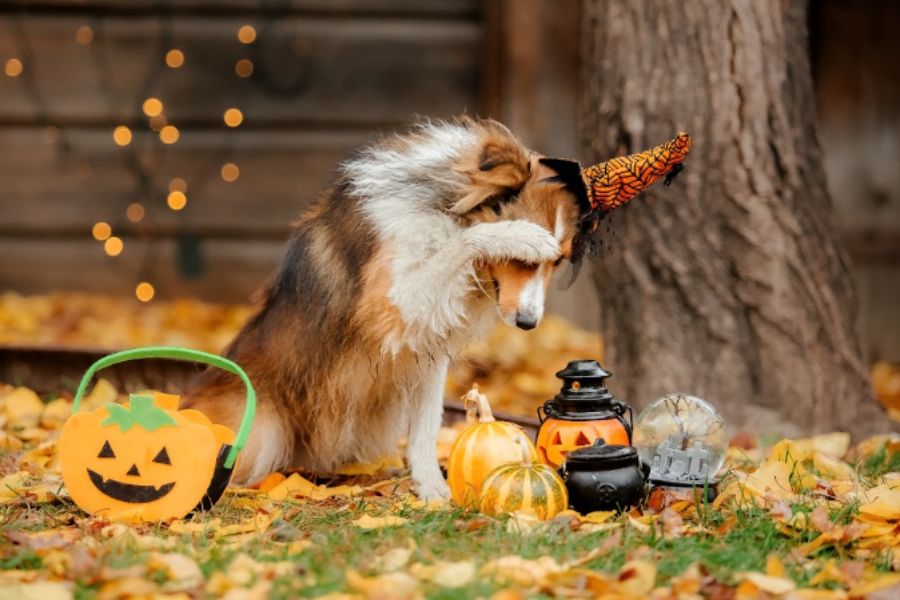
Halloween night brings costumes, excited children, and frequent doorbell ringing. For dogs in Hewitt and nearby New Jersey communities, these unfamiliar sounds and visitors can trigger considerable stress.
A dog that normally rests quietly may suddenly bark, tremble, hide, or attempt to escape. Understanding why doorbell activity causes anxiety can help pet owners create a calmer environment and prevent fear-related injuries.
Why Does Halloween Doorbell Ringing Trigger Anxiety in Dogs?
Dogs often associate the doorbell with someone entering their territory. During trick-or-treating, repeated ringing, unfamiliar voices, and unusual costumes can make these encounters overwhelming.
Several factors contribute to noise-related anxiety:
- Unpredictable sounds: Repeated ringing prevents some dogs from relaxing between visitors.
- Unfamiliar appearances: Masks and costumes may make familiar human shapes seem threatening.
- Territorial responses: Some dogs bark when strangers approach their homes.
- Previous frightening experiences: Dogs may associate doorbells with stressful encounters.
Dogs with existing noise sensitivities may react more intensely. However, sudden behavioral changes can also reflect pain, illness, or age-related changes.
How Can You Recognize Doorbell Anxiety in Your Dog?
Not every anxious dog barks. Some become unusually quiet or withdraw from household activity.
Common signs include:
- Trembling, pacing, or persistent panting
- Repeated barking or whining
- Hiding behind furniture
- Flattened ears or a tucked tail
- Refusing familiar treats
- Scratching doors or attempting to escape
Mild nervousness that resolves after the noise stops may be monitored. Persistent distress, worsening reactions, or new anxiety symptoms warrant a veterinary examination.
Dogs that injure themselves while escaping, collapse, or experience breathing difficulties need immediate medical attention.
How Can You Keep Your Dog Calm During Trick-or-Treating?
A successful Halloween safety plan should begin before visitors arrive. Waiting until your dog becomes frightened makes it harder to calm the situation.
Create a Quiet Room Away From the Front Door
Choose a comfortable room away from the entrance. Provide familiar bedding, drinking water, and a favorite toy.
Close curtains to reduce visual stimulation. Soft background music or a white-noise machine may help mask intermittent doorbell sounds.
Allow your dog to enter this space voluntarily whenever possible. Avoid forcing interaction with visitors.
Reduce Doorbell Noise and Visitor Interactions
Consider placing a sign outside asking visitors not to ring the bell. You can also hand out candy from a table outside, as long as another adult supervises your dog indoors.
Keep your dog securely separated from the entrance. Even friendly animals may bolt when startled.
Offer Familiar Activities Before Visitors Arrive
Take your dog for a routine walk before trick-or-treating begins. Allow time for bathroom breaks and normal activity.
Food puzzles or familiar chew toys may provide distraction. However, dogs showing severe anxiety may refuse food, indicating that additional support could be necessary.
Can Doorbell Training Help Before Halloween Night?
Gradual sound training may reduce some dogs’ reactions to doorbells.
Start with a quiet doorbell recording while offering a favorite reward. Gradually increase the volume over multiple sessions, but only while your dog remains relaxed.
This process is called desensitization. Pairing the sound with something pleasant is known as counterconditioning.
Avoid ringing the doorbell repeatedly when your dog is frightened. Excessive exposure may worsen anxiety rather than improve it.
For dogs with significant noise fears, consult your veterinarian before beginning training.
When Does Doorbell Anxiety Require Veterinary Attention?
Occasional barking does not automatically indicate a medical problem. However, severe or recurring distress deserves professional evaluation.
Veterinarians can assess whether anxiety, discomfort, hearing changes, or another condition contributes to behavioral changes.
Some dogs may benefit from a behavior modification plan or veterinarian-prescribed medication. Medication decisions depend on individual health needs and should be discussed before the event.
Call our animal hospital now if your dog develops severe distress, unusual behavior, or injuries during trick-or-treating.
Never administer human sedatives or leftover medications without veterinary instructions.
Help Your Dog Feel Safer This Trick-or-Treat Night
Your dog’s comfort matters as much as the celebration. Greenwood Lake Animal Hospital helps pet owners in Hewitt and nearby New Jersey communities understand anxiety-related behavior and prepare for seasonal stress.
Schedule a consultation before the holiday to discuss noise sensitivity, preventive strategies, and whether your dog needs additional veterinary support. If your dog becomes injured or develops serious symptoms, seek urgent care without delay.
Call our hospital at +1 973-728-2233 to schedule an appointment or discuss your dog’s symptoms—call before arriving for emergency care during office hours. For life-threatening emergencies after hours, contact an emergency veterinary hospital.
Frequently Asked Questions
1. Why Does My Dog Bark Excessively When the Doorbell Rings?
A: Doorbell barking may result from excitement, territorial behavior, fear, or learned associations. Greenwood Lake Animal Hospital can help assess persistent reactions and discuss appropriate behavior management strategies for dogs showing signs of anxiety.
2. Can Halloween Noise Anxiety Make My Dog Physically Sick?
A: Severe stress may cause panting, drooling, reduced appetite, or digestive upset. However, these symptoms can also indicate an underlying medical condition. Greenwood Lake Animal Hospital can evaluate concerning changes and recommend appropriate veterinary care.
3. Should I Give My Dog Calming Medication Before Trick-or-Treating?
A: Some dogs may benefit from veterinarian-prescribed anxiety medication. The appropriate treatment depends on their health and behavior. Consult Greenwood Lake Animal Hospital before using calming products or medications, ideally several days before the celebration.
4. How Long Does It Take to Reduce Doorbell Anxiety in Dogs?
A: Behavior training may require several weeks or longer, depending on the dog’s sensitivity and previous experiences. Gradual practice and consistent rewards can help. A veterinarian can recommend additional support if your dog’s reactions remain severe.
5. Can Senior Dogs Become More Sensitive to Doorbell Sounds?
A: Yes. Age-related sensory changes, discomfort, or cognitive decline may increase noise sensitivity. Greenwood Lake Animal Hospital can examine senior dogs with new behavioral changes and discuss appropriate management options.
6. Should I Comfort My Dog When They Become Frightened?
A: Yes. Calm reassurance and letting your dog retreat can help. Avoid punishment or forced exposure. If fear becomes intense or hard to manage, schedule a veterinary consultation to discuss next steps.