1925 Union Valley Road, Hewitt, NJ 07421


High Blood Pressure and Kidney Disease in Pets
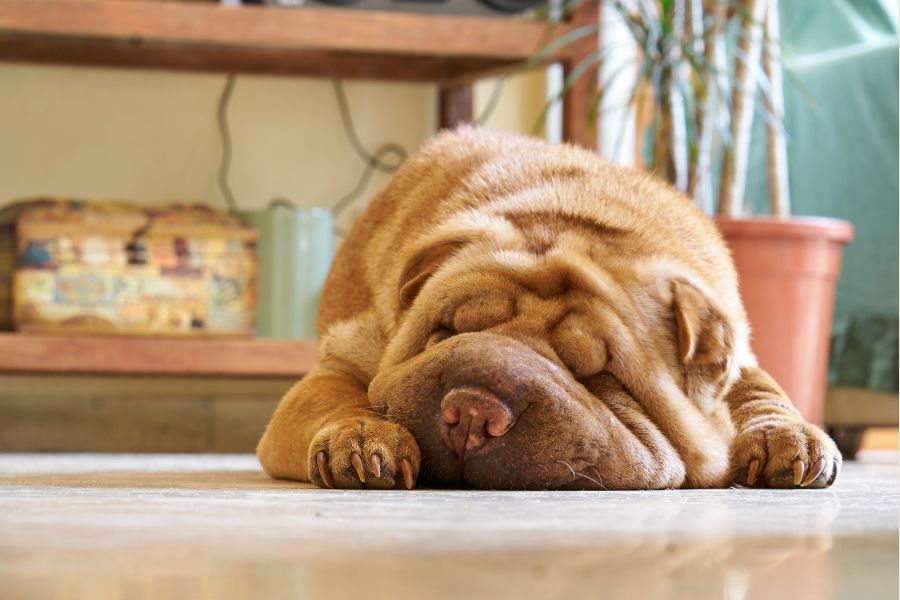
High blood pressure and kidney disease in pets are connected. Kidney disease can contribute to hypertension, while high blood pressure can accelerate kidney damage.
Early signs are often subtle. Blood pressure checks, blood and urine tests, and regular examinations help detect problems and guide treatment.
How Are Blood Pressure and Kidney Disease Connected?
Healthy kidneys regulate fluid balance and help control blood pressure. When kidney function declines, blood pressure may rise. High pressure can injure the tiny kidney blood vessels, increase protein loss in urine, and place further strain on damaged kidneys. Kidney disease can contribute to hypertension, while uncontrolled hypertension can worsen kidney function. Both may develop without obvious symptoms.
What Causes High Blood Pressure in Dogs and Cats?
Systemic hypertension often occurs alongside another health problem. Chronic kidney disease is a common association. Other possible causes include:
- Hyperthyroidism: An overactive thyroid, especially in cats.
- Cushing’s disease: Excess cortisol in dogs.
- Diabetes or other hormonal disorders.
- Age-related illness and certain medications.
Some pets have no identifiable underlying cause. Stress during a clinic visit can temporarily raise blood pressure. A single high reading may not confirm hypertension; repeat measurements help establish whether it is persistent.
Signs Pet Owners Should Watch For
Hypertension may be silent. Signs can reflect kidney disease or injury to other organs.
Possible signs of kidney disease
- Increased thirst or urination
- Reduced appetite or weight loss
- Vomiting, nausea, or bad breath
- Low energy or dehydration
Possible signs of high blood pressure
- Sudden vision changes or blindness
- Dilated pupils or unusual eye appearance
- Disorientation, weakness, or behavior changes
- Seizures, difficulty walking, or nosebleeds
Sudden blindness, seizures, collapse, or severe disorientation require urgent attention. Some pets show no visible symptoms.
How Are These Conditions Diagnosed?
Diagnosis combines examination, blood pressure readings, and laboratory results.
Blood pressure measurement
A cuff is placed around a leg or tail. The non-invasive procedure usually needs no sedation. The pet is allowed to settle, and repeated readings help distinguish persistent hypertension from stress-related elevation.
Blood and urine tests
Bloodwork may assess creatinine, blood urea nitrogen, electrolytes, and SDMA. Urinalysis checks urine concentration and abnormalities. A urine protein-to-creatinine ratio may measure protein loss.
Additional examinations
An eye examination can reveal retinal injury. Ultrasound may assess kidney structure or investigate an underlying cause. Recommendations depend on the pet’s history and results. Diagnostic Testing may be relevant when further evaluation is needed.
Treatment Options for Pets With Hypertension and Kidney Disease
Treatment reflects the cause, kidney function, and overall health. The goal is safe pressure control.
Blood pressure medication
Medication such as amlodipine may be prescribed. Some pets also need drugs that reduce protein loss through the kidneys. Never give human blood pressure medicine or change a prescribed dose without guidance.
Kidney disease management
Care may include a kidney-supportive diet, fresh water, nausea control, and treatment for anemia or mineral imbalances. Food choices should reflect test results, appetite, body condition, and other illnesses.
Treating the underlying cause
Managing an associated disease is part of treatment. Blood pressure may improve when that condition is controlled, although some pets need long-term medication.
Home Care and Long-Term Monitoring
Give medication as prescribed and keep follow-up appointments, even when your pet seems well.
Track thirst, urination, appetite, weight, energy, and vision. Provide fresh water unless instructed otherwise. Avoid salty treats, sudden diet changes, and unapproved supplements or medicines.
Blood pressure and kidney values need reassessment at intervals based on disease severity and treatment response. Contact the clinic if your pet stops eating, vomits repeatedly, becomes weak, or develops new symptoms.
When Should You Arrange an Appointment?
Arrange an examination for known kidney disease, persistent changes in thirst or urination, unexplained weight loss, or another hypertension risk factor. Discuss blood pressure screening during senior-pet health checks. Sudden vision loss, seizures, collapse, or severe neurological changes need urgent assessment.
Protect Your Pet’s Kidney Health
High blood pressure and kidney disease can reinforce one another. Early detection and consistent management can reduce complications. Watch for changes and follow the testing schedule. If your pet has kidney disease or possible hypertension, book an appointment for an examination and care plan suited to your pet’s needs.
Frequently Asked Questions(FAQs):
1. Can kidney disease cause high blood pressure in pets?
A: Yes. Damaged kidneys may disrupt the systems that regulate fluid and blood pressure. Hypertension is a recognized complication of chronic kidney disease in dogs and cats, and it can contribute to further kidney injury.
2. Can high blood pressure cause kidney failure in dogs and cats?
A: Persistent hypertension can damage kidney blood vessels and filtering structures. It may worsen existing chronic kidney disease and contribute to declining function. The risk depends on how high the pressure remains and how long it goes untreated.
3. What are the symptoms of high blood pressure in cats?
A: Some cats show no obvious signs. Possible symptoms include sudden vision loss, dilated pupils, disorientation, weakness, seizures, or behavior changes. Cats with kidney disease or hyperthyroidism may need regular blood pressure monitoring.
4. How is high blood pressure checked in pets?
A: A cuff is placed around a pet’s leg or tail and connected to a blood pressure monitor. Several readings may be taken in a calm setting, with repeat checks used to confirm persistent hypertension.
5. Is high blood pressure in pets treatable?
A: Yes. Treatment may include prescription blood pressure medication and management of an underlying condition. Kidney support, follow-up testing, and dose adjustments are often part of care. Never use human medication unless specifically prescribed.
6. How often should a pet with kidney disease have blood pressure checked?
A: The schedule depends on kidney disease stage, previous readings, symptoms, and treatment response. Pets may need frequent checks during medication adjustments and continued monitoring after treatment stabilizes, as clinically advised.