1925 Union Valley Road, Hewitt, NJ 07421


Nightshade Vegetables and Dogs: What You Need to Know
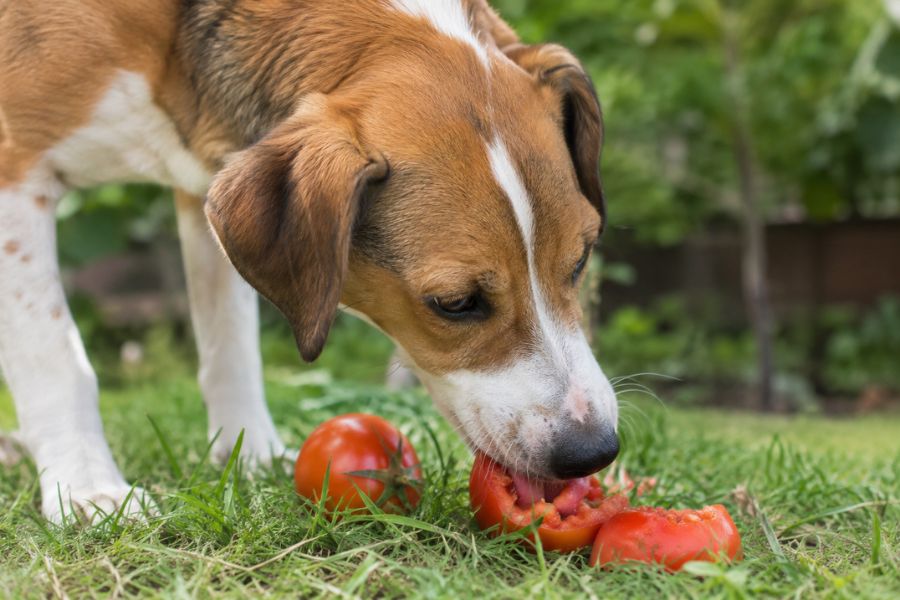
Nightshade vegetables can look harmless, yet their safety for dogs depends on the food, ripeness, plant part, preparation, and portion. Tomatoes, potatoes, eggplant, and peppers belong to this plant family.
Ripe tomato flesh and plain cooked potato can be acceptable in small amounts, while green tomatoes, tomato leaves, stems, green potatoes, sprouts, and many spicy peppers deserve caution. This guide covers safer choices, concerns, warning signs, feeding tips, and when veterinary care is appropriate.
What Are Nightshade Vegetables?
Nightshades belong to the Solanaceae plant family. Common edible members include tomatoes, potatoes, eggplant, bell peppers, chili peppers, and tomatillos. Risk varies by species and plant part.
Natural plant chemicals called alkaloids create much of the confusion. Tomatoes contain higher concentrations of tomatine in green plant parts and unripe fruit. Potatoes can contain glycoalkaloids such as solanine, especially when they are green or sprouting. The amount present can change with the plant part, maturity, and condition of the food.
Can Dogs Eat Tomatoes?
Yes, ripe red tomatoes can be an occasional treat for many dogs. Wash the tomato, remove the stem and leaves, and offer a piece of plain flesh. Avoid green tomatoes and the green portions of the plant.
Tomato sauces, soups, pasta toppings, and ketchup can contain onion, garlic, excess salt, sugar, or spices. Plain ripe tomato is different from seasoned tomato products.
Watch your dog after introducing unfamiliar food. Digestive upset can occur even when an ingredient is not poisonous.
Can Dogs Eat Potatoes?
Cooked potato can be offered to dogs in small amounts. Serve it unseasoned and remove green portions, sprouts, and questionable areas. Raw potatoes, green potatoes, potato plants, and sprouts present greater concern because glycoalkaloid levels can be higher.
French fries, chips, loaded potatoes, and buttery mashed potatoes are poor choices because of fat, salt, seasoning, or toppings. Sweet potatoes are not nightshades.
Can Dogs Eat Eggplant and Peppers?
Plain cooked eggplant may be tolerated in small amounts. Individual sensitivities can occur, so a first serving should be tiny. Skip eggplant dishes containing garlic, onion, heavy oil, sauces, or strong seasoning.
Ripe bell pepper can be an occasional snack after removing the stem and seeds. Jalapeños, cayenne, chili peppers, and spicy pepper products can irritate a dog’s mouth and digestive tract.
Why Can Nightshades Be Risky?
Risk depends on dose and exposure. A dog that steals one small piece of ripe tomato is not facing the same situation as a dog that eats a large amount of green tomato plant material.
These compounds can affect the digestive system and, with substantial exposure, the nervous or cardiovascular systems. Signs may include drooling, vomiting, diarrhea, weakness, sleepiness, confusion, tremors, or heart-rate changes. The plant, amount, plant part, and dog’s size matter.
Nightshade Safety: A Quick Guide
Usually Safer in Small Amounts
Ripe tomato, cooked potato, ripe bell pepper, and cooked eggplant may fit an occasional treat plan. These foods should not replace a complete, balanced diet.
Foods and Plant Parts to Avoid
Keep dogs away from tomato leaves, stems, vines, green tomatoes, green potatoes, potato sprouts, and unknown nightshade plants. Do not assume that every berry or ornamental nightshade is edible.
Garden access deserves attention. Dogs can consume plant material before anyone notices.
What If Your Dog Eats a Risky Nightshade?
Identify the food. Note whether it was ripe, green, cooked, raw, seasoned, or part of the plant. Estimate the amount and exposure time. Do not induce vomiting or give home remedies unless instructed by a qualified professional.
Contact your veterinarian or an animal poison service after a potentially toxic exposure or concerning symptoms. Severe weakness, repeated vomiting, tremors, collapse, breathing difficulty, or abnormal behavior warrants urgent attention.
How to Serve Nightshade Vegetables Safely
Think simple. Wash produce. Remove stems, leaves, vines, sprouts, and green sections. Cook potatoes thoroughly. Skip salt, butter, sauces, onion, garlic, chili, and rich toppings. Introduce one unfamiliar food at a time.
Use vegetables as occasional extras. Your dog’s age, size, diet, and individual tolerance influence portions. Dogs with special dietary needs should have food changes discussed with their care team.
If you cannot identify the plant part or ingredients, do not feed it.
The Bottom Line
Nightshade vegetables are not a single yes-or-no category for dogs. Ripe, plain food portions can be reasonable, while green plant parts, sprouts, raw or green potatoes, unripe tomatoes, spicy preparations, and unknown nightshade plants deserve caution. Knowing what your dog ate makes the decision simple. Secure garden plants, read labels, introduce foods slowly, and seek professional guidance when exposure is uncertain.
Frequently Asked Questions(FAQs):
1. Are nightshade vegetables toxic to dogs?
A: Not all nightshades are toxic in the same way. Ripe edible vegetables can be suitable in moderation, while certain plant parts, unripe foods, green potatoes, sprouts, and poisonous nightshade species can cause serious problems.
2. Can dogs eat ripe tomatoes?
A: Many dogs can eat small amounts of ripe, red tomato flesh. Remove stems and leaves, wash the fruit, and avoid green tomatoes. Tomato sauces may contain ingredients that are unsafe for dogs.
3. Are green tomatoes bad for dogs?
A: Green, unripe tomatoes contain higher concentrations of compounds associated with tomato plant toxicity. Keep dogs away from green fruit, leaves, stems, and vines, especially if they have garden access.
4. Can dogs eat cooked potatoes?
A: Plain, fully cooked potatoes can be acceptable in small portions. Never feed green potatoes or sprouts. Avoid fries, chips, and heavily seasoned preparations because added fat, salt, and toppings create separate concerns.
5. Can dogs eat bell peppers?
A: Plain ripe bell peppers can be offered occasionally to many dogs. Remove the stem and serve a small amount. Hot peppers are a different matter because capsaicin can cause mouth and digestive irritation.
6. What should I do if my dog eats a nightshade plant?
A: Identify the plant, part eaten, approximate amount, and time of exposure. Contact your veterinarian or an animal poison service for guidance. Seek urgent help for severe vomiting, weakness, tremors, collapse, or unusual behavior.