1925 Union Valley Road, Hewitt, NJ 07421


Snake Bites and Insect Stings: When Urgent Care Surgery Is Needed
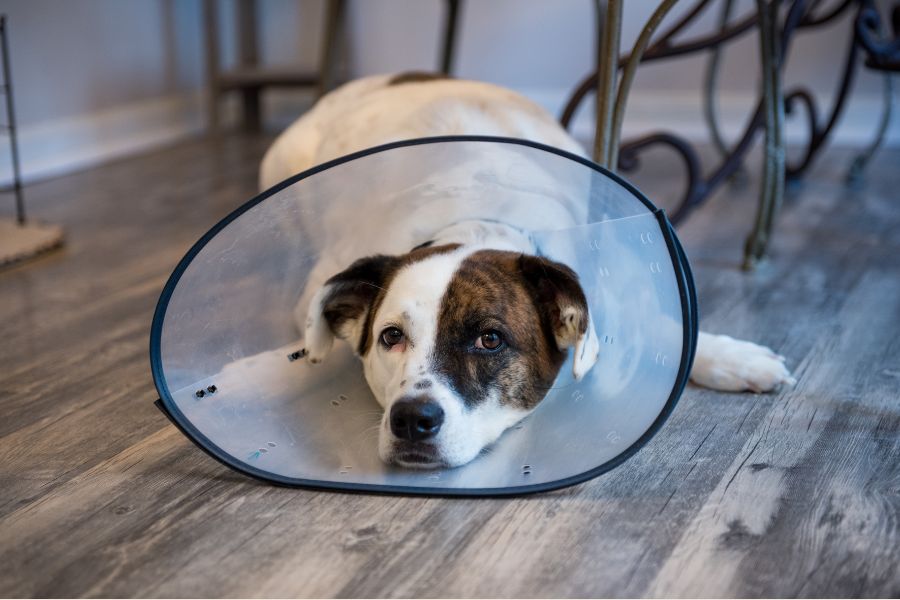
A curious pet can encounter hidden dangers during a simple walk, backyard playtime, or outdoor adventure. Snake bites and insect stings range from mild irritations to life-threatening injuries that require rapid medical attention.
Some pets recover with medication and close monitoring, while others develop severe swelling, tissue damage, breathing difficulties, or infections that demand surgery. Understanding the warning signs, knowing the right first-aid steps, and recognizing when professional treatment is needed can make a significant difference in your pet’s recovery.
This guide explains the causes, symptoms, treatment options, surgical situations, recovery tips, and prevention strategies to help pet owners respond with confidence. Pet owners in Hewitt should stay prepared because outdoor risks can appear throughout the year.
Understanding Snake Bites and Insect Stings in Pets
Dogs and cats naturally investigate their surroundings with their noses and paws. This behavior increases their chances of encountering venomous snakes, bees, wasps, hornets, spiders, ants, and other biting or stinging insects.
Snake venom may damage tissues, affect blood clotting, harm muscles, or interfere with breathing. Insect stings usually cause localized swelling and discomfort. Some pets experience severe allergic reactions or multiple stings that quickly become dangerous. A quick assessment by a medical team helps determine the appropriate treatment before complications develop.
Common Signs That Need Immediate Medical Attention
Symptoms vary depending on the type of bite or sting, the amount of venom injected, and your pet’s size.
Signs After a Snake Bite
- Sudden swelling around the bite area
- Visible puncture wounds
- Bleeding or bruising
- Severe pain
- Weakness or collapse
- Difficulty walking
- Rapid breathing
- Vomiting
Signs After an Insect Sting
- Swollen face or muzzle
- Hives or widespread skin irritation
- Persistent pawing at the affected area
- Excessive drooling
- Difficulty breathing
- Vomiting or diarrhea
- Lethargy
These symptoms should never be ignored because rapid progression can occur within a short period.
When Surgery Becomes Necessary
Many snake bites and insect stings respond well to medications, wound care, and observation. Surgery becomes necessary when serious tissue damage or other complications develop.
1. Severe Tissue Damage
Some snake venoms destroy skin, muscles, and surrounding tissues. Dead tissue cannot heal properly. Surgical removal of damaged tissue supports healing and lowers infection risks.
2. Abscess Formation
Insect stings or bites sometimes become infected. Pockets of infection may require surgical drainage to prevent the spread of bacteria.
3. Deep Wound Cleaning
Venom and bacteria trapped inside damaged tissue can delay recovery. Surgical cleaning removes contaminated material and encourages healthy healing.
4. Reconstructive Procedures
Large wounds may require reconstructive techniques or skin grafts after damaged tissue has been removed. These procedures help restore normal function and improve comfort.
What to Do Before Reaching the Hospital
Remaining calm helps both you and your pet.
Keep your pet as still as possible to slow venom movement through the body. Carry smaller pets whenever possible. Avoid squeezing the wound, cutting the bite, applying ice, or attempting home remedies. Do not give human medications unless instructed by a medical professional.
Seek urgent care for pets as soon as possible. Early evaluation allows faster treatment and reduces the risk of serious complications.
Diagnostic Evaluation and Treatment
The medical team performs a thorough physical examination while checking breathing, heart rate, circulation, and neurological function.
Diagnostic testing may include:
- Blood work
- Blood clotting evaluation
- Imaging studies
- Blood pressure monitoring
- Oxygen assessment
Treatment depends on the severity of the injury. Pain relief, intravenous fluids, wound care, antibiotics when needed, allergy medications, antivenom for qualifying snake bites, and careful monitoring all support recovery. Surgery is recommended only when less invasive treatments cannot effectively manage the injury.
Recovery After Surgical Treatment
Recovery varies according to the severity of tissue damage and the procedure performed. Many pets improve steadily with attentive home care.
Owners should follow all medication instructions, keep surgical sites clean, prevent excessive activity, attend follow-up appointments, and watch closely for swelling, discharge, poor appetite, or unusual behavior.
Healing may require several weeks for extensive wounds. Consistent monitoring helps identify complications before they become more serious.
Need prompt medical attention for your pet after a snake bite or insect sting? Call us at: 973-728-2233.
Preventing Snake Bites and Insect Stings
Prevention remains the safest approach.
1. Reduce Outdoor Risks
Keep grass trimmed, remove wood piles, clear heavy brush, and discourage rodents that attract snakes.
2. Supervise Outdoor Activities
Keep dogs on a leash during hikes and avoid allowing pets to explore dense vegetation or rocky areas without supervision.
3. Control Insects Around the Home
Remove visible nests safely through professionals and limit your pet’s access to flowering plants that attract bees and wasps.
4. Learn Local Wildlife
Understanding which venomous snakes and stinging insects live in your region helps you recognize potential hazards more quickly.
Conclusion
Snake bites and insect stings should always be taken seriously because their effects can change rapidly. Early evaluation, proper treatment, and timely surgery when necessary offer the best opportunity for a successful recovery.
Staying alert during outdoor activities and responding quickly to unusual symptoms can protect your pet from long-term complications. If you’re located in Hewitt, Greenwood Lake Animal Hospital is here to support your pet with compassionate care and a community-focused approach dedicated to your companion’s well-being.
Frequently Asked Questions(FAQs):
1. How can I tell if my pet has been bitten by a venomous snake?
A: Venomous snake bites often cause sudden swelling, puncture wounds, severe pain, bruising, weakness, or difficulty breathing. Even if symptoms seem mild at first, prompt medical evaluation is essential because signs can worsen quickly.
2. Can an insect sting become serious for dogs or cats?
A: Yes. Some pets develop severe allergic reactions, breathing difficulties, repeated vomiting, or widespread swelling after insect stings. Multiple stings also increase health risks and require immediate medical attention.
3. Does every snake bite require surgery?
A: No. Many pets recover with medications, wound care, observation, and supportive treatment. Surgery becomes necessary only when severe tissue damage, infection, abscesses, or extensive wound cleaning is required.
4. What should I avoid doing after my pet is bitten?
A: Avoid cutting the wound, applying ice, sucking out venom, using home remedies, or giving human medications. Keep your pet calm and transport them to a medical facility as quickly as possible.
5. How long does recovery take after surgery?
A: Recovery depends on the severity of the injury and the type of procedure performed. Minor surgeries may heal within a couple of weeks, while extensive tissue repair may require several weeks and regular follow-up visits.
6. Can snake bites and insect stings be prevented?
A: Many incidents can be reduced by supervising outdoor activities, keeping yards clean, removing insect nests safely, avoiding tall grass, and learning about local wildlife that may pose a risk to pets.