1925 Union Valley Road, Hewitt, NJ 07421


Ragamuffin Kitten: What to Expect in the First Year of Ownership
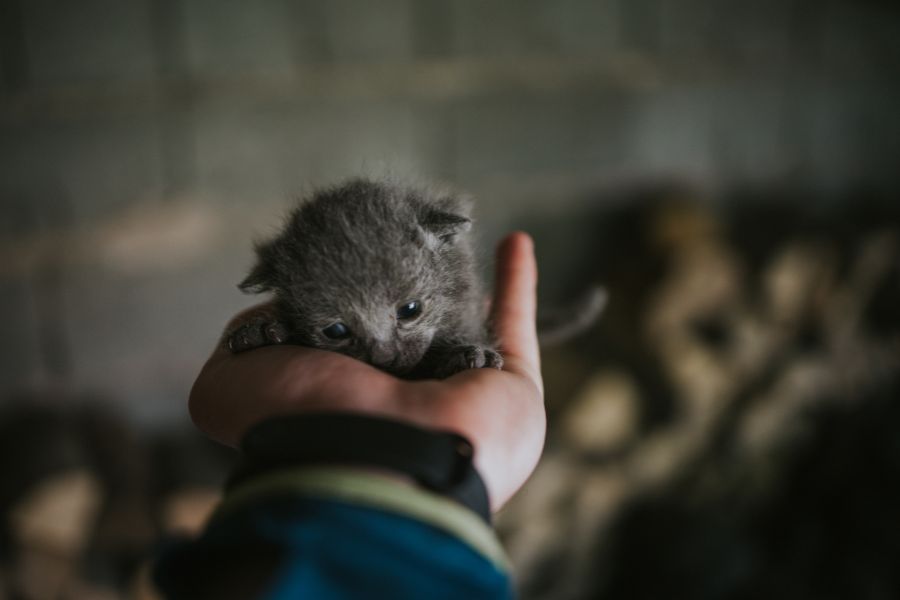
Bringing home a Ragamuffin kitten is an exciting experience. Their soft coats, expressive eyes, and calm personalities make them hard to resist. But what is life really like during that first year?
If you’re considering adding a Ragamuffin to your home—or you’ve already welcomed one—this guide walks you through what to expect month by month. From growth and behavior to grooming and health, you’ll get a clear picture of how to care for your kitten with confidence.
Understanding the Ragamuffin Personality
Before diving into the timeline, it helps to understand what makes a Ragamuffin unique.
Ragamuffins are known for their gentle, affectionate nature. They are often described as “lap cats” because they enjoy staying close to their owners. Unlike more independent breeds, they thrive on companionship and attention.
You might notice early on:
- A strong desire to follow you from room to room
- A relaxed attitude toward being handled
- A playful but not overly energetic temperament
This personality shapes everything about their first year.
The First Month at Home: Adjustment and Bonding
What You’ll Notice
The first few weeks are all about adjustment. Your Ragamuffin kitten is learning a new environment, new smells, and new people.
You may see:
- Shyness or hiding at first
- Gradual curiosity and exploration
- Frequent sleeping (kittens sleep a lot)
How to Help
Create a calm and safe space. Keep food, water, and a litter box close by. Avoid overwhelming your kitten with too many visitors.
Gentle interaction builds trust. Sit nearby, speak softly, and let your kitten approach you.
Months 2–3: Playfulness and Early Training
This stage is where personality begins to shine.
Behavior Changes
Your Ragamuffin becomes more active and playful. Expect bursts of energy followed by long naps.
Common behaviors include:
- Chasing toys and pouncing
- Learning to use scratching posts
- Beginning social bonding with family members
Training Tips
Start basic habits early:
- Introduce scratching posts to protect furniture
- Reinforce litter box use with consistency
- Use positive reinforcement instead of punishment
This is also a good time to schedule your first vet visits for vaccinations and general health checks.
Months 4–6: Growth and Social Development
Your kitten is growing fast now—both physically and socially.
Physical Changes
- Noticeable increase in size and weight
- Development of their thick, plush coat
- Stronger muscles and coordination
Social Behavior
Ragamuffins tend to become more interactive during this period. They may:
- Seek attention more actively
- Enjoy being picked up and held
- Form stronger attachments to specific family members
Nutrition Matters
Feed a high-quality diet. Proper nutrition supports bone development and coat health. Stick to a regular feeding schedule.
Months 7–9: Adolescence Begins
This stage can feel like the teenage phase of kittenhood.
What to Expect
- Increased independence
- Testing boundaries (like jumping on counters)
- Continued playfulness with more strength and agility
Your Ragamuffin may still be affectionate but might show moments of independence.
Staying Consistent
Consistency is key here. Maintain routines for feeding, playtime, and sleep. Reinforce good behaviors gently but firmly.
Months 10–12: Approaching Adulthood
By the end of the first year, your Ragamuffin starts to settle into a more predictable routine.
Physical Development
While they may look fully grown, Ragamuffins actually continue maturing for several years. However, the first year builds the foundation.
Personality Stabilization
You’ll notice:
- A calmer, more relaxed demeanor
- Strong attachment to family members
- A preference for comfort and routine
Grooming Your Ragamuffin Kitten
One of the standout features of the Ragamuffin is its luxurious coat. It may look high-maintenance, but grooming is manageable with consistency.
Weekly Care Routine
- Brush 2–3 times a week to prevent tangles
- Check for mats around the neck and underarms
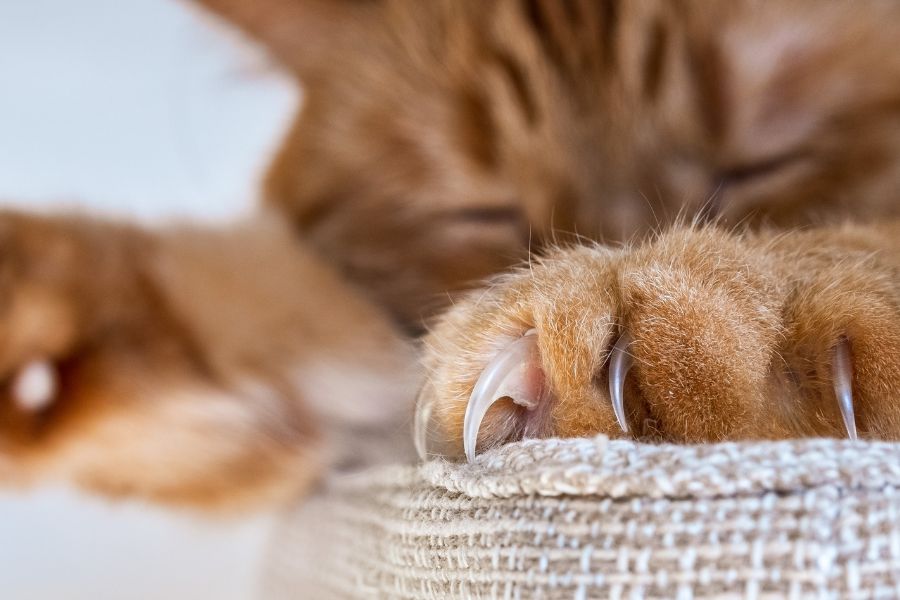
- Keep nails trimmed
Despite their long fur, Ragamuffins have a low tendency for matting compared to other long-haired breeds.
Health Considerations in the First Year
Keeping your Ragamuffin healthy starts with prevention.
Key Health Steps
- Schedule vaccinations as recommended by your vet
- Monitor weight and eating habits
- Watch for signs of illness like lethargy or loss of appetite
Regular vet visits ensure your kitten is growing properly and help catch any issues early.
If you’re unsure about proper care routines or need guidance, you can always visit our website for helpful resources tailored to pet owners.
Creating the Ideal Home Environment
A Ragamuffin thrives in a stable, loving home.
What They Need
- Soft bedding or cozy resting spots
- Interactive toys for mental stimulation
- Quiet areas where they feel safe
They are indoor cats by nature and prefer a calm environment over chaos.
Common Challenges in the First Year
Every kitten comes with a learning curve.
Possible Issues
- Scratching furniture
- Occasional litter box accidents
- Nighttime activity bursts
Simple Solutions
- Provide appropriate scratching alternatives
- Keep the litter box clean and accessible
- Engage in playtime before bedtime to reduce nighttime energy
Patience and consistency go a long way.
Is a Ragamuffin Right for You?
Ask yourself a few simple questions:
- Do you have time to give daily attention?
- Are you looking for a calm and affectionate companion?
- Can you commit to regular grooming and vet care?
If the answer is yes, a Ragamuffin can be a wonderful addition to your home.
Conclusion: A Rewarding First Year
The first year with a Ragamuffin kitten is full of growth, bonding, and learning—for both of you. From a shy newcomer to a confident companion, the transformation is rewarding to watch.
By staying consistent with care, providing a loving environment, and understanding their needs, you set the stage for a long and healthy life together.
If you’re ready to welcome a kitten into your home, take the time to prepare and commit. A Ragamuffin will give back that effort with years of affection and companionship.
Frequently Asked Questions (FAQs)
1. Are Ragamuffin kittens easy to care for?
A: Yes, they are relatively easy to care for. Their calm temperament and low-maintenance coat make them suitable for many households.
2. How often should I groom my Ragamuffin?
A: Brushing 2–3 times a week is usually enough to keep their coat healthy and free of tangles.
3. Do Ragamuffins get along with children and other pets?
A: They are known for being gentle and social, making them a good fit for families and multi-pet homes.
4. What should I feed my Ragamuffin kitten?
A: A high-quality kitten formula is best during the first year to support growth and development.
5. When does a Ragamuffin reach full size?
A: They continue growing beyond the first year, often reaching full maturity around 3–4 years.
6. Are Ragamuffins indoor cats?
A: Yes, they are best suited for indoor living where they are safe and comfortable.