1925 Union Valley Road, Hewitt, NJ 07421


Tools Every Cat Owner Needs for Proper Claw Care, Recommended by Veterinarians
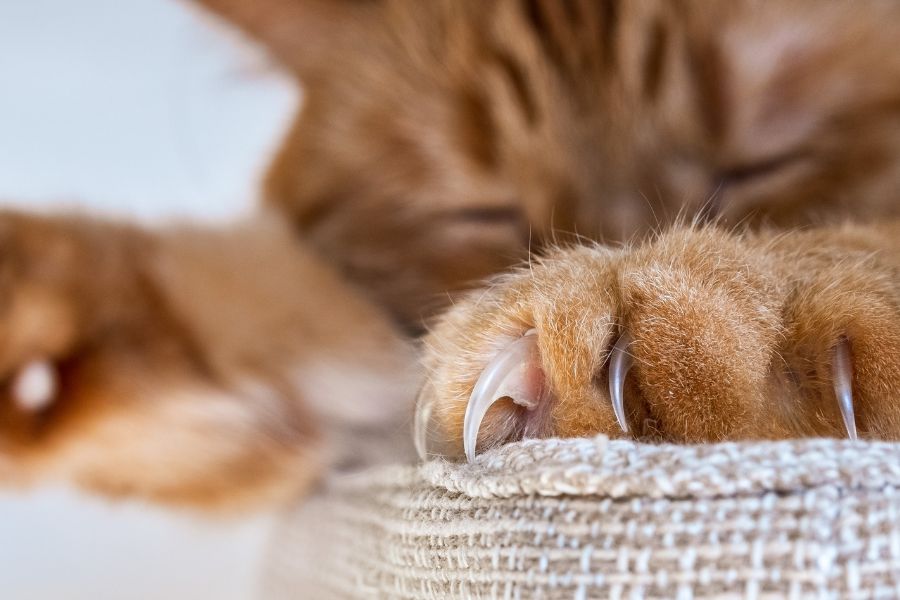
Proper claw care is an important part of keeping your cat healthy, comfortable, and active. Many cat owners focus on nutrition, grooming, and routine wellness visits, yet claw maintenance is often overlooked until scratching problems or overgrown nails appear. Healthy claws support balance, mobility, climbing, stretching, and natural behaviors. Regular care also helps prevent painful nail overgrowth, accidental injuries, damage to furniture, and scratches to family members.
The good news is that maintaining your cat’s claws does not have to be complicated. A few veterinarian-recommended tools can make the process easier, safer, and less stressful for both you and your cat. This guide covers the essential cat claw care tools every owner should have, how to use them correctly, common claw care mistakes, and answers to frequently asked questions. By following these tips, you can create a simple routine that supports your cat’s long-term health and well-being.
Why Cat Claw Care Matters
Cats rely on their claws every day. Scratching helps them stretch muscles, mark territory, remove dead nail layers, and maintain healthy claws. Without proper care, nails can become too long, split, crack, or grow into the paw pads.
Routine cat claw care helps:
- Prevent overgrown nails
- Reduce accidental scratches
- Protect furniture and household items
- Support healthy movement and balance
- Identify nail or paw problems early
- Improve overall comfort and quality of life
A consistent claw care routine can help your cat stay happier and healthier throughout every stage of life.
Essential Tools for Cat Claw Care
1. Cat Nail Clippers
A quality pair of cat nail clippers is the most important claw care tool. Clippers designed specifically for cats provide better control and precision than standard household scissors.
Look for features such as:
- Sharp stainless-steel blades
- Comfortable grip handles
- Safety guards
- Lightweight design
Regular trimming helps prevent nails from becoming excessively long and reduces the risk of snagging on carpets or fabrics.
2. Nail Grinder
Some cats tolerate a nail grinder better than clippers. A grinder gently files the nail instead of cutting it, creating smoother edges.
Benefits include:
- Reduced risk of splitting
- Smoother nail tips
- Greater precision
- Helpful for thick nails
Introduce a grinder gradually so your cat becomes comfortable with the sound and vibration.
3. Scratching Posts
Scratching posts are essential for natural claw maintenance. Cats instinctively scratch to keep their nails healthy and remove old nail sheaths.
Choose scratching posts that are:
- Tall enough for full-body stretching
- Stable and sturdy
- Covered with sisal rope or textured material
Providing multiple scratching options throughout the home encourages healthy scratching habits.
4. Cat Scratching Pads
Scratching pads offer another outlet for natural scratching behavior. Many cats enjoy horizontal surfaces in addition to vertical scratching posts.
Popular options include:
- Cardboard scratching pads
- Corrugated scratchers
- Lounge-style scratchers
These tools help reduce destructive scratching while supporting claw health.
5. Styptic Powder
Even experienced pet owners can accidentally trim a nail too short. Styptic powder helps stop minor bleeding quickly if the quick is nicked during nail trimming.
Keeping styptic powder nearby provides peace of mind and allows you to handle minor accidents safely.
6. Paw and Nail Inspection Light
A small LED inspection light can help you see the nail structure more clearly, especially on cats with darker nails.
Better visibility helps you:
- Avoid cutting the quick
- Spot nail damage
- Detect paw issues early
- Perform safer nail trims
7. Soft Grooming Towel
A grooming towel can help keep nervous cats calm during nail care sessions. Wrapping your cat gently provides comfort and limits sudden movements.
Many cat owners find this technique useful when introducing nail trimming.
How Often Should You Trim Your Cat’s Nails?
Most cats benefit from nail trimming every two to four weeks. The ideal schedule depends on age, activity level, lifestyle, and claw growth rate.
Indoor cats often require more frequent nail trims because they have fewer natural opportunities to wear down their claws. Senior cats may also need additional monitoring because nail growth patterns can change with age.
Signs Your Cat’s Claws Need Attention
Watch for these common signs:
- Nails catching on fabrics
- Clicking sounds on hard floors
- Excessive scratching
- Curved or overgrown nails
- Visible discomfort when walking
- Redness around the nail area
Early attention can prevent more serious claw problems from developing.
Common Cat Claw Care Mistakes
1. Skipping Regular Nail Checks
Many owners wait until nails become visibly overgrown. Monthly inspections can help identify issues before they become problematic.
2. Using the Wrong Tools
Human nail clippers are not designed for feline nails. Specialized cat grooming tools provide better safety and accuracy.
3. Trimming Too Much
Cutting into the quick can cause pain and bleeding. Trim only the sharp tip of the nail unless guided by a professional.
4. Ignoring Scratching Needs
Scratching is a natural behavior. Providing appropriate scratching surfaces supports healthy claws and helps protect household furniture.
When to Seek Professional Help
Some claw issues require professional evaluation. Contact your pet care provider if you notice:
- Swollen paws
- Broken nails
- Bleeding that continues
- Signs of infection
- Sudden limping
- Severe nail deformities
Routine wellness visits and professional guidance can help ensure your cat’s paws remain healthy throughout life. If you need support with nail health, grooming advice, or paw concerns, ask about your clinic’s cat wellness care services during your next visit.
Keep Your Cat Comfortable With Proper Claw Care
Healthy claws play an important role in your cat’s daily life. Investing in the right cat claw care tools can make nail maintenance easier, safer, and more effective. Cat nail clippers, scratching posts, scratching pads, nail grinders, inspection lights, and styptic powder all contribute to a successful claw care routine.
For pet owners in Hewitt who want personalized guidance on claw care, grooming, and overall feline health, our team is here to help. Schedule a wellness visit and book an appointment to ensure your cat receives the care needed for a healthy and comfortable life.
Frequently Asked Questions(FAQs):
1. How often should I trim my cat’s nails?
A: Most cats need nail trimming every two to four weeks. Indoor cats often require more frequent trims because their nails experience less natural wear from outdoor activities and rough surfaces.
2. What is the safest tool for trimming cat nails?
A: Cat-specific nail clippers are generally the safest option. Sharp blades and ergonomic handles provide better control, helping reduce stress and the risk of accidental injury during trimming sessions.
3. Do scratching posts replace nail trimming?
A: No. Scratching posts help maintain claw health and remove outer nail layers, but they do not fully replace routine nail trimming. Most cats still need regular nail maintenance.
4. What should I do if I cut the quick?
Apply styptic powder to stop minor bleeding. Stay calm and reassure your cat. If bleeding continues or your cat appears distressed, contact your pet care provider for advice.
5. Are nail grinders safe for cats?
A: Yes. Nail grinders can safely smooth and shorten nails when used correctly. Many owners prefer them because they reduce sharp edges and provide more gradual nail trimming.
6. Why are my cat’s nails growing unusually long?
A: Long nails may result from age, reduced activity, health conditions, or insufficient scratching opportunities. Regular nail checks and wellness visits can help identify the underlying cause.