1925 Union Valley Road, Hewitt, NJ 07421


Stop the Scratching: Cat-Friendly Solutions for Your Furniture
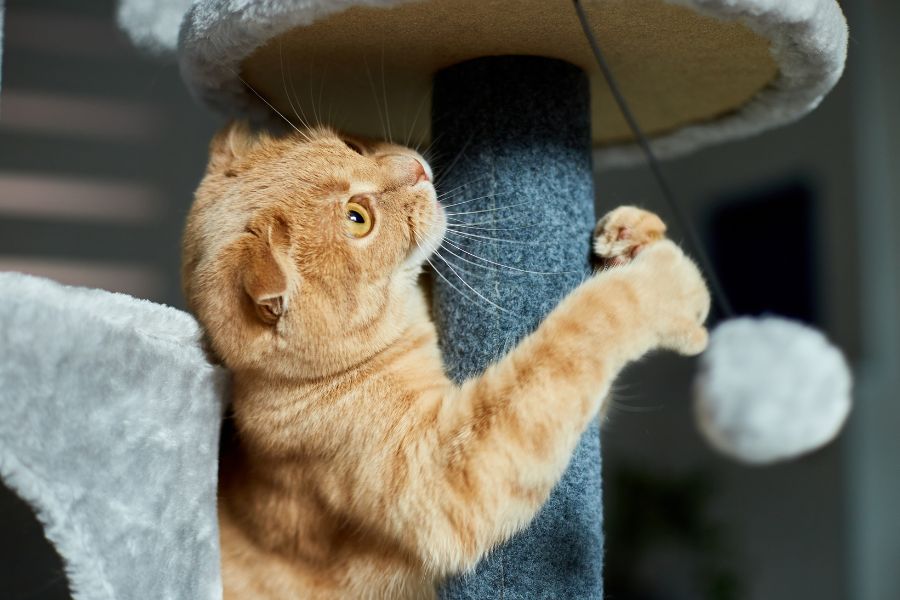
If you share your home with a cat, chances are you have seen claw marks on your sofa, chairs, or door frames. It can feel frustrating, especially when your furniture starts to show wear. The good news is that scratching is not bad behavior. It is natural and necessary for your cat’s health and well-being.
This guide takes a clear and honest look at why cats scratch furniture and offers practical, cat-friendly strategies on how to stop cats from scratching furniture without stress or punishment. With the right approach, you can protect your home while keeping your cat happy and healthy.
Why Do Cats Scratch Furniture?
Understanding the reason behind the behavior is the first step to solving it. Cats do not scratch to annoy you. They scratch because it meets several natural needs.
1. Claw Maintenance
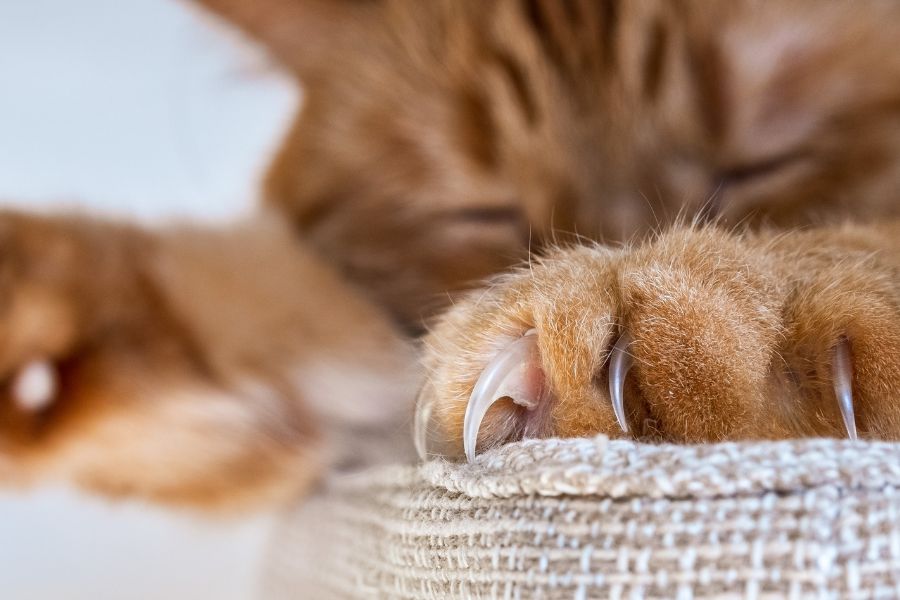
Scratching helps cats remove the outer layer of their claws. This keeps their claws sharp, clean, and ready for everyday use.
2. Stretching and Exercise
When cats scratch, they stretch their muscles, especially along their back and shoulders. It is a form of daily exercise that supports flexibility and strength.
3. Territory Marking
Cats have scent glands in their paws. When they scratch, they leave both a visual mark and a scent mark. This helps them feel secure in their space.
4. Stress Relief
Scratching can also help cats release tension or anxiety. Changes in the home, new pets, or unfamiliar environments can increase scratching behavior.
5. Preference for Texture
Furniture often has textures that cats enjoy, such as soft fabric or sturdy wood. These materials can feel more satisfying than a poorly chosen scratching post.
How Do I Stop Cat Scratching Furniture?
If you are asking, “How do I stop cat scratching furniture?” the answer is not about stopping the behavior completely. It is about redirecting it to appropriate surfaces.
Focus on Redirection, Not Punishment
Punishing your cat does not teach them what to do instead. It can lead to fear or confusion. Instead, guide them toward better options.
How to Stop Cats from Scratching Furniture: Practical Solutions
1. Provide the Right Scratching Posts
Not all scratching posts are equal. Your cat may ignore a post if it does not meet their needs.
What to look for:
- Tall enough for a full stretch
- Stable and sturdy
- Covered in materials like sisal, cardboard, or wood
Place posts near the areas your cat already scratches. Cats prefer convenience.
2. Choose the Right Location
Location matters as much as the post itself.
- Place scratching posts near furniture that your cat targets
- Keep one near sleeping areas (cats often scratch after waking up)
- Use multiple posts in larger homes
If the post is hidden or hard to reach, your cat will ignore it.
3. Make Furniture Less Appealing
You can gently discourage scratching on furniture without causing harm.
Simple options:
- Use double-sided tape on scratching spots
- Cover areas with a slipcover or protective layer
- Try pet-safe deterrent sprays
Cats dislike sticky or unfamiliar textures, which can help shift their focus.
4. Encourage Positive Behavior
Reward your cat when they use the scratching post.
- Offer treats or praise
- Use toys to guide them toward the post
- Add catnip to make the post more attractive
Positive reinforcement helps your cat learn faster and builds trust.
5. Trim Your Cat’s Nails Regularly
Shorter nails reduce the damage caused by scratching.
- Trim nails every 2–3 weeks
- Use proper pet nail clippers
- Stay calm and gentle during the process
If you are unsure how to do this safely, a veterinary professional can help.
6. Provide Environmental Enrichment
A bored cat is more likely to scratch furniture.
Add stimulation through:
- Interactive toys
- Climbing structures or cat trees
- Window perches for outdoor viewing
A mentally and physically engaged cat is less likely to develop unwanted habits.
7. Use Soft Nail Caps (If Needed)
Soft nail caps can be applied to your cat’s claws to prevent damage.
- They are safe and temporary
- They reduce scratching impact without restricting movement
Consult your veterinarian before using them to ensure proper fit and comfort.
When Scratching Becomes a Concern
Most scratching is normal. However, sudden or excessive scratching can signal an underlying issue.
Possible Causes:
- Stress or anxiety
- Skin irritation or allergies
- Changes in the environment
If you notice unusual patterns, it may be time to seek professional advice. For guidance and support, visit our website to learn more about available care options for your pet.
Common Mistakes to Avoid
Even with the best intentions, some approaches can make the problem worse.
1. Avoid Declawing
Declawing is a surgical procedure that removes part of the cat’s toes. It can lead to long-term pain and behavioral issues. It is not a recommended solution.
2. Avoid Yelling or Punishment
This creates fear and does not address the root cause of scratching.
3. Avoid Poor-Quality Scratching Posts
If the post is unstable or too small, your cat will not use it.
Building a Long-Term Solution
Consistency is key when learning how to stop cats from scratching furniture. Cats learn through repetition and routine.
Create a Setup That Works:
- Multiple scratching options
- Clear boundaries for furniture
- Regular positive reinforcement
Over time, your cat will naturally prefer the appropriate surfaces.
A Balanced Approach for You and Your Cat
Your goal is not to stop scratching completely. It is to guide it in a way that works for both of you.
By understanding your cat’s needs and offering better alternatives, you create a home where your furniture stays protected and your cat feels comfortable.
Conclusion: Take Control Without Stress
Scratching is part of your cat’s natural behavior. It does not have to come at the cost of your furniture. With the right tools and a clear plan, you can create a solution that works for everyone in your home.
If you are still facing challenges or notice unusual behavior, professional guidance can make a difference. Take the next step toward a better environment for your pet—book an appointment with your veterinary team to ensure your cat’s health and comfort are fully supported.
Frequently Asked Questions(FAQs):
1. Why does my cat ignore the scratching post?
A: Your cat may not like the texture, height, or location. Try different materials and move the post closer to where your cat already scratches.
2. How long does it take to train a cat to stop scratching furniture?
A: It varies. Some cats adjust within a few days, while others may take a few weeks. Consistency is important.
3. Are scratching posts really necessary?
A: Yes. Scratching is a natural behavior. Providing the right outlet prevents damage to furniture.
4. Can I use sprays to stop scratching?
A: Yes, but only pet-safe deterrent sprays. They should be used along with positive reinforcement and proper alternatives.
5. Should I cover my furniture permanently?
A: Temporary covers can help during training, but the goal is to redirect behavior rather than rely on covers long-term.
6. When should I talk to a veterinarian about scratching?
A: If scratching suddenly increases or is paired with signs of stress or skin issues, a veterinary visit is recommended.