1925 Union Valley Road, Hewitt, NJ 07421


How Cat Teeth Change Over Time: From Tiny Kittens to Grown Cats
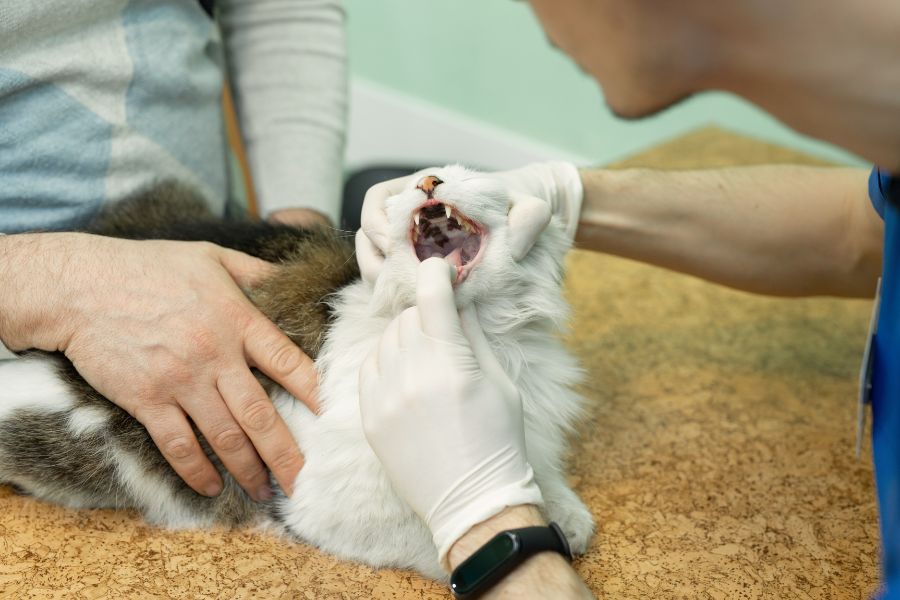
How many teeth cats have is a question many pet parents ask once those sharp kitten nips appear. This guide explains every stage of your cat’s dental journey, from newborn gums to adult smiles, covering timelines, tooth types, common changes, and daily care. You will learn what is normal, what deserves attention, and how simple habits support lifelong comfort.
By the end, you will know how teeth develop, when they fall out, why adult teeth matter, and how to keep mouths healthy at home in Hewitt, NJ.
The Early Days: Gums Before Teeth
Kittens enter the world without visible teeth. During the first weeks, they rely on nursing and soft foods. Beneath the gums, tiny tooth buds already form. Around two to three weeks, the first baby incisors emerge, followed by canines and premolars.
These early teeth look small, bright, and needle sharp. Their job centers on learning to nibble, play, and explore textures. Mild drooling and extra chewing appear during this phase. Gentle handling of the mouth builds comfort for future care.
Baby Teeth Basics
Cats grow 26 baby teeth. These include incisors at the front, long canines for gripping, and premolars for slicing. Molars do not arrive during kittenhood. The full baby set usually finishes erupting by eight weeks. Play biting peaks because gums feel tender.
Safe chew toys, soft food, and patient redirection protect hands and furniture. Brushing can start with a finger brush and flavored paste to create positive routines early.
The Big Change: Teething and Tooth Replacement
Between three and six months, kittens shed baby teeth as adult teeth move into place. You may find tiny teeth on the floor or notice brief gum redness. Appetite shifts and playful chewing increase. Adult incisors appear first, then canines, premolars, and molars. This period shapes long-term bite alignment. Regular checks help spot retained baby teeth, which crowd adult teeth and trap food. Early attention prevents future buildup and soreness.
Adult Teeth and What They Do
A healthy adult cat carries 30 teeth. Each group plays a role. Incisors help grasp small bits. Canines hold prey and toys. Premolars and molars shear food. The layout supports a meat-focused diet. Knowing how many teeth cats have at maturity helps owners notice missing or broken teeth sooner. Routine home checks reveal changes in color, odor, or gum edges.
Small observations save discomfort later. Strong jaws, balanced chewing patterns, and clean surfaces also support digestion, confidence during play, and easier mealtimes, especially for indoor cats that rely on owners for enrichment.
How Age Changes the Mouth
As cats age, enamel wears, gums may recede, and plaque can harden. Breath odor often signals trouble. Some cats favor one side while chewing. Others drop kibble or paw at their mouth. These signs deserve a closer look. Daily brushing, dental treats, water additives, and textured toys slow the buildup. Wet food rinses less than dry, so pairing meals with brushing improves results. Calm handling keeps care stress-free.
Common Dental Concerns to Watch
• Plaque and tartar buildup
• Red or swollen gums
• Loose or broken teeth
• Persistent bad breath
• Changes in eating habits
Catching concerns early limits pain and expense. Create a monthly mouth check habit. Lift the lips, scan for redness, and note any chipped edges. Praise your cat and offer a reward after each check.
Building a Simple Home Care Plan
Start with short sessions. Use cat-safe toothpaste. Aim for daily brushing, though several times a week still helps. Choose treats with dental textures. Rotate toys that encourage chewing. Provide fresh water. Schedule professional cleanings when advised. Consistency matters more than perfection. A few minutes today supports years of comfort.
Conclusion
From toothless newborns to confident adults, your cat’s smile tells a story of growth, play, and daily habits. Learning timelines, counts, and care steps makes oral health less mysterious. Watch for changes, keep routines simple, and celebrate small wins during brushing.
Ask questions when signs appear. How many teeth cats have matters, yet comfort matters more for every stage. If you are in Hewitt, NJ, and looking for veterinary dental care, book an appointment with Greenwood Lake Animal Hospital today.
Frequently Asked Questions(FAQs):
1. When do kittens get their first teeth?
A: Most kittens show their first incisors around two to three weeks of age. Canines and premolars follow. By eight weeks, many kittens have a complete set of baby teeth. Gentle mouth handling during this stage builds tolerance for brushing later.
2. How long does teething last in cats?
A: Teething usually runs from three to six months. Baby teeth fall out as adult teeth erupt. Extra chewing, mild gum redness, and playful biting appear. Offer safe chew toys and soft foods. Contact a clinic if pain or bleeding occurs.
3. Is it normal to find kitten teeth on the floor?
A: Yes, tiny baby teeth sometimes fall out during play or meals. Many kittens swallow them without issue. Finding a tooth means adult teeth are moving in. Watch for double teeth, which can trap food and cause crowding.
4. How many teeth do cats have as adults?
A: Adult cats typically have 30 teeth, including incisors, canines, premolars, and molars. This count supports slicing and gripping food. Missing teeth, chips, or sudden changes in eating deserve a closer look to rule out soreness or infection.
5. What signs suggest dental pain in cats?
A: Clues include bad breath, pawing at the mouth, dropping food, chewing on one side, hiding, or reduced grooming. Some cats act quietly. Regular mouth checks help spot redness, swelling, or broken teeth before pain becomes severe.
6. Can I brush my cat’s teeth at home?
A: Yes. Use cat toothpaste and a soft brush or finger brush. Start slow with short sessions and praise. Daily brushing works best, though several times weekly still reduces plaque. Pair brushing with treats to keep the routine positive.