1925 Union Valley Road, Hewitt, NJ 07421


Eye Injuries and Infections in Pets: Why Urgent Care Matters More Than You Think
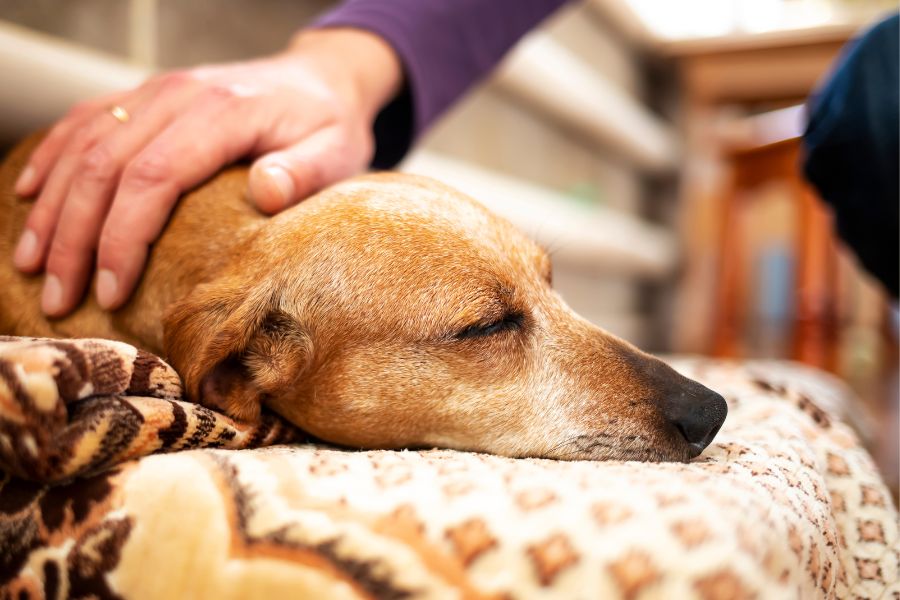
A pet’s eyes are delicate and vulnerable to injury, irritation, and infection. What may appear to be a minor squint, watery eye, or redness can quickly develop into a painful condition that threatens vision and overall comfort.
Eye injuries and eye infections in pets often progress more quickly than many pet owners realise. Prompt attention can reduce pain, prevent complications, and support a smoother recovery.
This guide explains common causes, warning signs, treatment options, and preventive steps to help you act with confidence when your pet experiences eye problems. For pet families in Hewitt, understanding these risks can make a meaningful difference in protecting a beloved companion’s sight and quality of life.
Why Pet Eye Problems Should Never Be Ignored
Pets use their vision to navigate their environment, interact with family members, and stay safe. An untreated eye condition can affect daily activities and lead to lasting damage.
Unlike some health concerns that develop gradually, eye injuries in pets can worsen within hours. A scratch on the eye’s surface, a foreign object, or a developing infection may rapidly cause pain, inflammation, and vision loss.
Many pets also hide discomfort well. By the time obvious symptoms appear, the condition may already require immediate medical attention.
Common Eye Injuries in Pets
1. Corneal Scratches
The cornea is the clear outer layer of the eye. Scratches can occur during play, roughhousing, encounters with plants, or accidental contact with sharp objects.
Signs may include:
- Squinting
- Excessive tearing
- Pawing at the eye
- Sensitivity to light
- Redness
Corneal injuries can become deeper if left untreated.
2. Foreign Objects
Dust, grass seeds, dirt, and small debris can become trapped in or around the eye. These materials irritate and may damage the eye’s surface.
Pets often rub their faces against furniture or carpeting when something is lodged in the eye, increasing the risk of further injury.
3. Trauma and Blunt Impact
Running into objects, falls, and interactions with other animals can result in eye trauma. Swelling, bleeding, and changes in eye appearance require prompt evaluation.
Common Eye Infections in Pets
Eye infections in pets may develop from bacteria, viruses, allergies, irritants, or underlying health conditions.
1. Conjunctivitis
Often called “pink eye,” conjunctivitis affects the tissues surrounding the eye. It commonly causes redness, swelling, and discharge.
2. Secondary Infections
A minor scratch or irritation can create an opportunity for infection. Once bacteria enter damaged tissue, symptoms may worsen quickly.
3. Chronic Irritation
Environmental allergens, smoke, dust, and grooming products sometimes contribute to recurring eye inflammation. Ongoing irritation increases infection risk.
Signs Your Pet Needs Prompt Medical Attention
Some symptoms indicate a more serious eye condition that requires rapid evaluation.
Watch for:
- Red or swollen eyes
- Yellow, green, or thick discharge
- Excessive tearing
- Cloudy appearance
- Squinting or keeping an eye closed
- Frequent blinking
- Rubbing or pawing at the face
- Sudden vision changes
- Visible wounds near the eye
- Sensitivity to light
Even one of these symptoms deserves attention. Waiting to see if the issue resolves on its own may increase the likelihood of complications.
Why Fast Treatment Matters
Many pet owners assume eye irritation will improve naturally. Unfortunately, this approach can place a pet’s vision at risk.
Eye tissues are extremely sensitive. Infections can spread, ulcers can deepen, and inflammation can become more severe in a short period.
Seeking urgent care for pets allows professionals to identify the cause and begin appropriate treatment before the condition progresses.
Benefits of prompt care include:
- Reduced discomfort
- Lower risk of vision loss
- Faster healing
- Prevention of secondary infections
- Improved long-term eye health
How Eye Conditions Are Diagnosed
A thorough examination helps determine the source of the problem.
The evaluation may include:
1. Visual Eye Assessment
The eye and surrounding structures are carefully examined for injury, swelling, discharge, and abnormalities.
2. Specialised Eye Staining
A safe dye may be used to identify scratches, ulcers, or surface damage.
3. Tear Production Testing
Adequate tear production is essential for eye health. Reduced tear production can contribute to irritation and infection.
4. Eye Pressure Evaluation
Abnormal pressure inside the eye may indicate a serious condition requiring immediate treatment.
Treatment Options for Eye Injuries and Infections
Treatment depends on the underlying cause and severity.
Common approaches include:
- Medicated eye drops
- Antibiotic medications
- Anti-inflammatory treatments
- Eye lubrication products
- Removal of foreign material
- Protective collars to prevent rubbing
- Follow-up monitoring
Some injuries require more advanced procedures to protect vision and support healing.
Preventing Eye Problems in Pets
While not every eye condition can be prevented, several steps may reduce risk.
1. Keep Play Areas Safe
Remove hazards that could scratch or injure the eyes.
2. Monitor Outdoor Activities
Thick brush, tall grass, and debris can increase the chance of eye injuries.
3. Schedule Routine Wellness Visits
Regular health evaluations help identify developing issues before they become more serious.
4. Watch for Early Symptoms
Changes in eye appearance, discharge, or behaviour should never be ignored.
When to Contact a Pet Care Professional
If your pet shows signs of eye pain, irritation, injury, or infection, timely action is important. Early evaluation often leads to better outcomes and a more comfortable recovery.
Call us at 973-728-2233 to schedule prompt care for your pet’s eye concerns and help protect their vision before complications develop.
Conclusion
Eye injuries and eye infections in pets deserve immediate attention, even when symptoms seem mild. Quick intervention can help preserve vision, relieve discomfort, and prevent more serious complications. Recognising the warning signs and seeking care early gives your pet the best chance for a healthy recovery.
If you’re in Hewitt and surrounding communities, including West Milford, Ringwood, Greenwood Lake, and Warwick, consider reaching out to Greenwood Lake Animal Hospital, where compassionate support and community-focused care come together to help protect your pet’s health and well-being.
Frequently Asked Questions(FAQs):
1. How can I tell if my pet has an eye infection?
A: Common signs include redness, swelling, discharge, squinting, excessive tearing, and frequent pawing at the eye. If these symptoms appear, schedule an examination promptly to identify the cause and begin appropriate treatment.
2. Can a scratched eye heal on its own?
A: Some minor scratches may improve, but many can worsen without treatment. Corneal injuries may become infected or develop into deeper ulcers, making professional evaluation important whenever an eye injury is suspected.
3. What should I do if something gets into my pet’s eye?
A: Avoid attempting to remove deeply embedded material yourself. Prevent your pet from rubbing the eye and seek prompt medical attention to minimise irritation, injury, and potential complications.
4. Are eye infections contagious between pets?
A: Certain infections may spread depending on the cause. Bacterial and viral conditions can sometimes affect other animals. Separating affected pets and seeking treatment can help reduce transmission risks.
5. Why is my pet squinting even if the eye looks normal?
A: Squinting often signals pain or irritation before visible changes develop. A hidden scratch, foreign object, ulcer, or early infection may be present and should be evaluated promptly.
6. How quickly should eye problems be treated?
A: Eye conditions can progress rapidly. Seeking care as soon as symptoms appear helps reduce discomfort, protect vision, and improve recovery outcomes. Early treatment is usually the safest approach.