1925 Union Valley Road, Hewitt, NJ 07421


What is Fear-Free Veterinary Care and Why Does It Change Everything for Anxious Pets
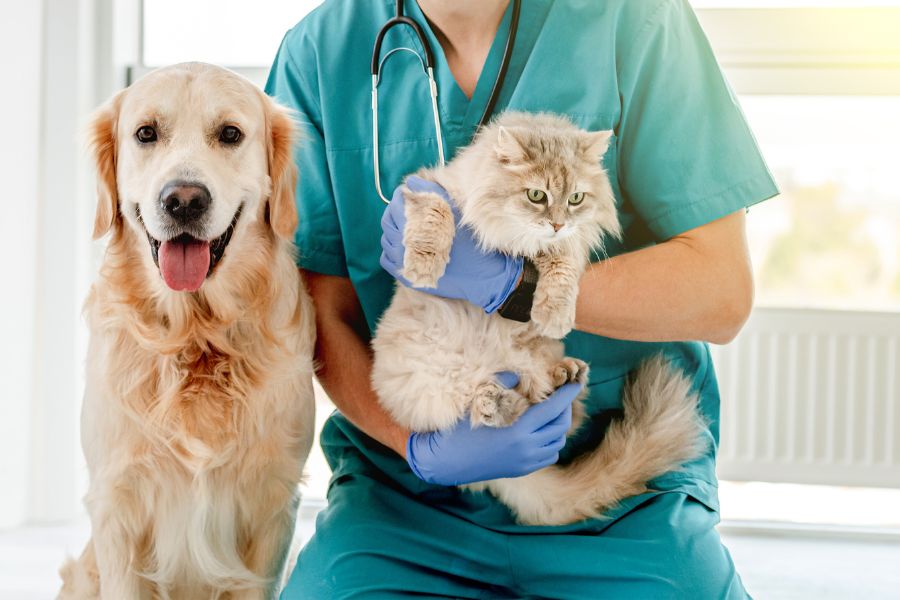
Many pets become anxious before appointments even begin. Car rides, loud noises, unfamiliar smells, and crowded waiting rooms may quickly overwhelm dogs and cats. Stress during animal hospital visits can affect breathing, behavior, appetite, and even physical exam results.
Fear-free care focuses on reducing anxiety throughout every stage of the visit. Calmer handling, quieter spaces, positive reinforcement, and slower introductions may help pets feel safer during exams and treatments.
If you’re a pet owner in Hewitt, this blog is especially for you. Understanding how fear-free approaches work may help make future appointments feel far less stressful for both you and your pet.
Anxiety Often Starts Before Arriving Anywhere
Many pets recognize carriers, leashes, or travel routines long before leaving home. Stress may begin the moment owners prepare for appointments.
Dogs and cats often respond differently depending on personality and past experiences.
Early Stress Signs Owners Commonly Notice
- Pacing around the house: Anxiety may build before travel starts.
- Hiding behaviors: Cats often avoid carriers when stressed.
- Heavy panting: Nervous pets may pant more heavily during travel.
- Whining or shaking: Fear sometimes causes visible reactions.
Recognizing stress early may help prevent anxiety from escalating further.
Calmer Environments Help Pets Feel Safer
Busy waiting rooms, loud barking, and unfamiliar animals may quickly overwhelm nervous pets. Fear-free approaches aim to reduce overstimulation whenever possible.
Lower-stress environments may improve comfort during wellness exams and diagnostic visits.
Common Environmental Triggers During Appointments
- Strong unfamiliar smells: New scents may increase nervousness.
- Crowded waiting areas: Constant activity may overwhelm pets.
- Loud noises nearby: Barking dogs often raise stress levels.
- Direct contact with unfamiliar animals: Fear reactions may increase.
Reducing stimulation often helps pets settle more comfortably during visits.
Positive Reinforcement Builds Better Future Experiences
Fear-free care relies heavily on positive reinforcement throughout appointments. Treats, praise, and slower introductions help create better associations with visits to the animal hospital.
Small rewards may make a significant difference over time.
Common Positive Reinforcement Techniques Used
- Treat-based distractions: Food rewards may redirect nervous focus.
- Short appointment breaks: Pauses help reduce overstimulation.
- Calm voice interactions: Lower energy often supports relaxation.
- Familiar comfort items: Blankets and toys may ease tension.
Positive experiences often lead to improved future appointments.
Gentle Handling Reduces Defensive Reactions
Pets experiencing fear may freeze, hide, growl, hiss, or resist handling. Slower movements and reduced restraint often help anxious animals feel safer during exams.
Animal care teams commonly adjust handling styles based on stress levels.
Signs Pets May Feel Overwhelmed During Exams
- Flattened ears: Fear often quickly affects posture.
- Tucked tails: Anxiety may increase defensive behavior.
- Avoiding eye contact: Nervous pets may withdraw emotionally.
- Growling or vocalizing: Stress reactions sometimes escalate suddenly.
Lower-stress handling often improves cooperation during exams and treatments.
Fear-Free Visits Improve Physical Exam Accuracy
Stress may affect heart rate, breathing, muscle tension, and body temperature during appointments. Relaxed pets often provide more accurate physical exam findings.
Calmer visits may also improve diagnostic testing and treatment experiences.
Why Lower Stress Supports Better Medical Care
- Improved cooperation: Relaxed pets tolerate exams more comfortably.
- More accurate vital signs: Anxiety may temporarily affect results.
- Reduced fear during treatments: Calmer handling supports better experiences.
- Easier future appointments: Positive visits help build confidence.
Lower stress benefits both emotional and physical well-being during care.
Travel Preparation Can Reduce Appointment Anxiety
Preparation at home often affects the entire visit experience. Pets who feel calmer during transportation may arrive less overwhelmed.
Short practice sessions may help reduce fear over time.
Helpful Ways Owners Can Prepare Pets
- Leave carriers visible: Familiarity may reduce avoidance behaviors.
- Practice short car rides: Gradual exposure supports confidence.
- Use favorite blankets: Familiar scents often improve comfort.
- Avoid rushed departures: Calm routines help lower stress levels.
Consistent preparation may significantly improve future visits.
Recovery Time Matters After Returning Home
Some pets continue feeling stressed even after appointments end. Quiet recovery time may help dogs and cats settle more comfortably afterward.
Post-visit behavior should still be monitored carefully.
Helpful Ways To Support Recovery At Home
- Provide quiet resting spaces: Reduced stimulation encourages relaxation.
- Maintain familiar routines: Predictability often reduces anxiety.
- Monitor appetite changes: Stress may temporarily affect eating.
- Allow extra rest afterward: Pets sometimes need decompression time.
Recovery support remains important even after short appointments.
Many pet owners notice meaningful improvements when lower-stress handling becomes part of regular care visits.
Lower Stress Often Builds Long-Term Confidence
Fear-free care focuses on creating better experiences over time rather than only managing one appointment. Positive visits may help pets feel safer during future exams, treatments, and procedures.
Comfort-focused care often strengthens trust between pets, owners, and animal care teams.
Long-Term Benefits Many Owners Notice
- Reduced fear during future visits: Familiar routines build confidence.
- Improved behavior during handling: Anxiety-related reactions may gradually decrease.
- Less stressful transportation: Pets may resist travel less often.
- Better overall comfort: Lower stress supports emotional well-being.
Small changes often create lasting improvements over time.
Helping Nervous Pets Feel More Comfortable
Fear and anxiety may affect every stage of an appointment, from travel routines to diagnostic exams and recovery afterward. Fear-free care focuses on reducing stress through calmer environments, positive reinforcement, lower-stress handling, and supportive preparation before visits. Many pets become more relaxed, cooperative, and comfortable when anxiety is addressed early and consistently.
Supporting Better Visits for Anxious Pets
If you’re in Hewitt and searching for a veterinarian near you focused on lower-stress animal care, contact Greenwood Lake Animal Hospital to schedule a visit. Our team supports wellness exams, diagnostic testing, dental care, and treatment visits to improve comfort and reduce anxiety for dogs and cats at every stage of care.
Helping pets feel calmer during appointments often creates better long-term experiences for both owners and animals. Families throughout Hewitt can connect with our facility to learn more about supportive care approaches focused on comfort, reassurance, and stronger relationships among pets, owners, and the local animal care community.
Frequently Asked Questions(FAQs):
1. Why do pets become anxious during appointments?
A: Unfamiliar smells, loud noises, crowded waiting rooms, travel routines, and handling by unfamiliar people may all contribute to stress during animal hospital visits for dogs and cats.
2. Can fear affect a pet’s physical exam results?
A: Yes. Anxiety may temporarily increase heart rate, breathing changes, muscle tension, and stress behaviors, sometimes affecting physical exam findings and diagnostic testing accuracy during appointments.
3. How do fear-free visits help nervous cats?
A: Lower-noise environments, slower handling, positive reinforcement, and reduced exposure to stressful triggers may help cats feel calmer and more comfortable throughout appointments and recovery afterward.
4. What should owners do before bringing anxious pets?
A: Short car rides, familiar blankets, calm travel routines, treats, and positive carrier training may help reduce stress before appointments and improve overall comfort during visits.
5. Why are positive rewards important during appointments?
A: Treats, praise, breaks, and calming interactions help pets build better associations with appointments, which may reduce fear and improve cooperation during future wellness exams and treatments.