1925 Union Valley Road, Hewitt, NJ 07421


Pet Dental Crises: How Fast Treatment Can Protect Your Pet’s Health
A sudden tooth injury, broken tooth, bleeding gums, facial swelling, or severe mouth pain can affect much more than eating. Dental problems can worsen quickly, cause infection, reduce appetite, and make pets withdrawn. Knowing which signs need prompt attention, what to do at home, and when professional treatment is necessary can protect comfort and overall health.
This guide explains common dental crises, warning signs, immediate steps, treatment choices, prevention, and when to seek urgent care. For families in Hewitt, Greenwood Lake Animal Hospital can provide timely support when your pet develops a painful dental problem.
Which Dental Problems Need Fast Attention?
Pets often hide discomfort. A dog may continue playing despite a fractured tooth, and a cat may quietly stop eating. Watch for:
- A cracked, fractured, loose, or missing tooth
- Bleeding from the mouth that does not stop
- Swelling around the jaw, face, or gums
- Pus, unusual mouth odor, or discharge
- Difficulty chewing, swallowing, or opening the mouth
- Excessive drooling or pawing at the face
- Sudden refusal of food or treats
- Crying, hiding, irritability, or unusual behavior
A broken tooth can expose sensitive inner tissue. Bacteria can enter the damaged area and create painful infection. A loose tooth may indicate injury or advanced dental disease. Prompt assessment helps determine the safest next step.
Why Fast Dental Treatment Matters
A damaged tooth may require cleaning, repair, extraction, or another treatment based on its condition. Waiting for obvious swelling can allow a small problem to become more complicated. Fast treatment can reduce discomfort, protect healthy tissue, and support a better recovery.
What Should You Do Before Care?
Stay calm and keep your pet comfortable. Remove hard toys, bones, and chew items that could worsen a mouth injury. Offer fresh water. If chewing is painful, avoid forcing food.
Do not try to pull a loose tooth. Do not place human pain medicine, alcohol, peroxide, or household products inside your pet’s mouth. These actions can cause additional injury or poisoning.
If bleeding is heavy, facial swelling is increasing, breathing is difficult, or your pet cannot swallow, seek immediate professional help. A phone call can help you understand what steps are appropriate during care arrangements.
For urgent support, learn more about urgent care for pets before a crisis occurs.
What Can Happen During a Dental Visit?
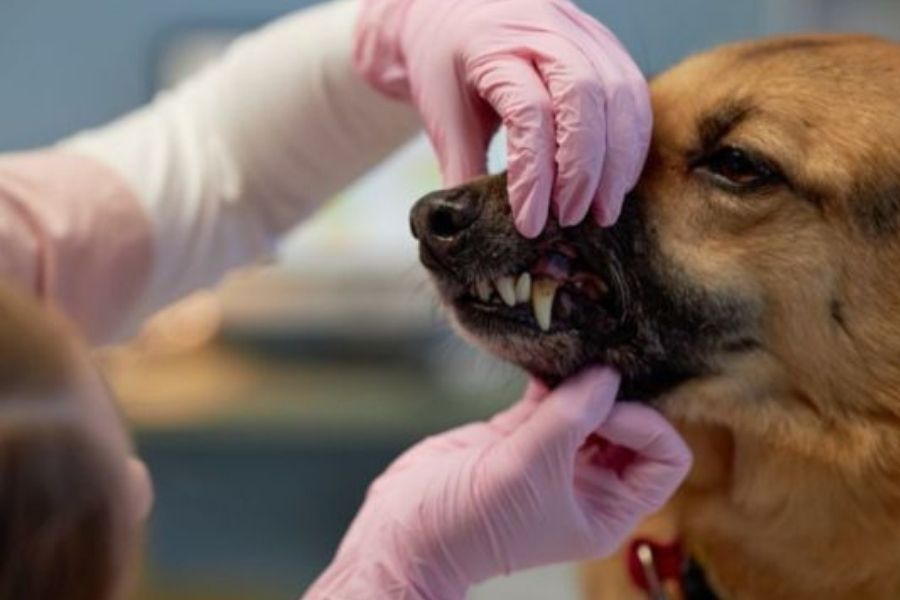
A professional assessment usually starts with a history and an examination of the mouth. The clinician may look for fractures, loose teeth, gum inflammation, foreign objects, swelling, and signs of infection.
Your pet may need dental imaging to evaluate structures beneath the gumline. Some problems cannot be fully understood from the visible tooth alone. The care plan should be explained clearly, including what is known, what remains uncertain, and why a recommended treatment is appropriate.
Treatment can range from pain control and medication to professional cleaning, extraction, or repair. The right choice depends on the tooth, infection level, overall condition, and your pet’s comfort.
How Can You Reduce Future Dental Problems?
Daily dental care can lower the risk of painful oral disease. Brush your pet’s teeth with products made specifically for pets. Introduce brushing gradually and reward calm behavior.
Schedule routine oral examinations. Regular checks can identify gum disease, fractured teeth, loose teeth, and other concerns before they become painful. Ask about dental diets, treats, toys, and brushing routines that suit your pet.
Avoid extremely hard objects that can fracture teeth. A chew that seems durable may still be too hard for your pet’s teeth.
When Is It Time to Call?
Trust changes in your pet’s behavior. A sudden shift in eating, chewing, drooling, mood, or activity can signal pain. Visible injury deserves attention even if your pet appears comfortable.
Call us at 973-728-2233 for guidance when you notice a concerning dental change or need urgent care.
Conclusion: Protecting Your Pet Starts With Quick Action
Dental problems can progress without obvious warning. Recognizing changes early, avoiding unsafe home remedies, and arranging timely professional care can limit pain and protect your pet’s ability to eat, drink, and enjoy daily life.
If you’re located in Hewitt, reach out to Greenwood Lake Animal Hospital, where compassionate care and community come together to support your pet’s well-being. Keep your pet’s dental health on your routine care list, and act quickly when something looks unusual.
Frequently Asked Questions(FAQs):
1. What are the most common signs of a dental crisis in pets?
Common signs include broken or loose teeth, mouth bleeding, facial swelling, excessive drooling, bad breath, difficulty eating, pawing at the mouth, and sudden behavior changes. Persistent pain or refusal to eat deserves prompt assessment.
2. Can a broken tooth heal on its own?
A damaged tooth generally does not repair itself like a minor skin injury. The exposed inner area can remain painful and vulnerable to bacteria. A professional examination can determine whether monitoring, repair, or removal is appropriate.
3. Can I give my pet human pain medicine?
Do not give human pain medicine unless a qualified professional specifically instructs you to do so. Several common medicines can be dangerous for pets, even in small amounts. Call for safe pain-control guidance.
4. Should I remove my pet’s loose tooth?
No. Pulling a loose tooth yourself can cause bleeding, tissue damage, or additional pain. The tooth may have deeper problems that are not visible. Professional evaluation is the safest way to determine the appropriate treatment.
5. How can I prevent serious dental problems?
Brush your pet’s teeth regularly with pet-safe products, schedule routine oral examinations, choose appropriate dental treats or diets, and avoid extremely hard chews. Early attention to bad breath, chewing changes, or mouth sensitivity can prevent worsening problems.
6. When should I seek urgent dental care?
Seek prompt help for uncontrolled bleeding, facial swelling, severe pain, breathing difficulty, inability to swallow, major trauma, or refusal to eat. A timely assessment can identify hidden damage and help protect your pet’s comfort and health.