1925 Union Valley Road, Hewitt, NJ 07421


How Often Pets Really Need Wellness Exams by Life Stage
A pet wellness exam is not simply one-size-fits-all. Puppies and kittens need frequent visits while their bodies develop and vaccines are completed. Healthy adult dogs and cats generally benefit from at least one comprehensive exam each year.
Senior pets often need checkups every six months because age-related changes can develop. Age, breed, lifestyle, and health history can change that schedule. This guide covers life-stage timing, exam components, testing, and signs that call for an earlier visit.
Why Wellness Exams Matter
Pets can hide discomfort well. A dog may eat with dental disease. A cat may act normal while losing weight or kidney problems develop. Routine examinations help identify subtle changes.
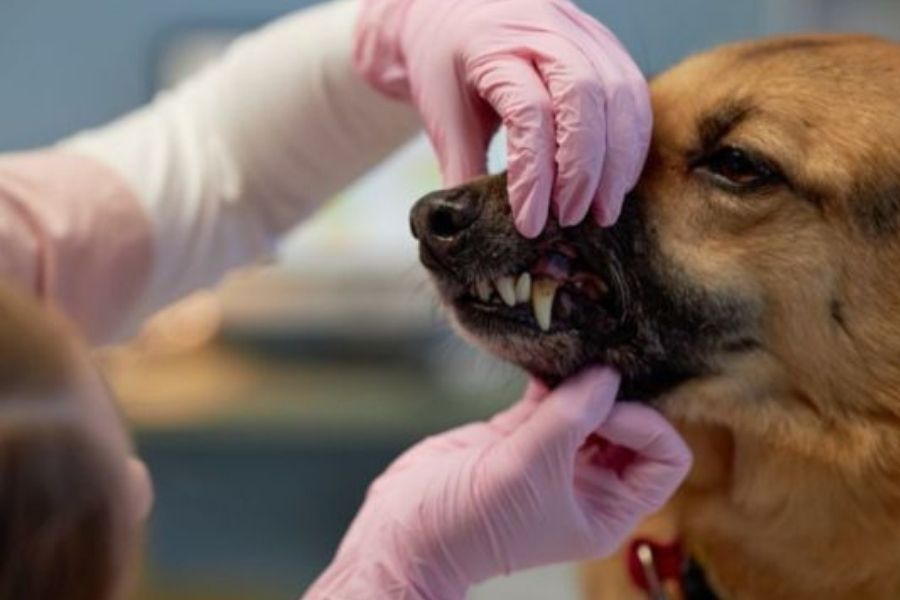
A typical wellness visit includes assessment of the eyes, ears, heart, lungs, teeth, gums, skin, coat, body condition, weight, and health. The appointment can cover nutrition, parasite prevention, vaccines, behavior, exercise, dental care, and age concerns.
Puppies and Kittens: Frequent Visits Build a Healthy Start
Young pets usually need more appointments than adults. During the first months, the schedule may involve visits every three to four weeks, depending on age, vaccine history, health status, and the recommended immunization plan.
What Young-Pet Exams Cover
Puppy and kitten wellness exams may include:
- Growth and body-condition checks
- Vaccination planning
- Deworming and screening
- Flea, tick, heartworm prevention
- Nutrition guidance
- Dental development
- Socialization advice
These appointments give owners a chance to ask about house training, chewing, scratching, exercise, safe foods, and development. Early visits can identify congenital concerns, parasites, poor growth, or other problems.
For young-pet guidance, puppy and kitten care is a resource for planning preventive care.
Adult Pets: At Least One Wellness Exam Each Year
Adult pets may look healthy enough to skip a yearly checkup. That can be misleading. Annual wellness exams provide a consistent opportunity to compare weight, dental health, body condition, behavior, and physical findings.
What Changes During Adulthood?
A healthy adult pet often needs an annual exam. Pets with chronic conditions or higher health risks may need more frequent monitoring. Visits can include vaccine review, parasite prevention, dental assessment, nutrition counseling, weight management, and targeted testing.
Outdoor cats, hunting dogs, pets that travel, and animals living with multiple pets can face different parasite or infectious-disease risks. A personalized schedule fits risk better for each individual pet’s needs.
Senior Pets: Twice-Yearly Exams Often Make Sense
Senior status does not begin at one universal age. Smaller dogs may age more slowly than giant breeds. Cats commonly enter their senior years around seven years of age. Your pet’s care schedule should reflect biological age.
Many older pets benefit from wellness exams every six months. More frequent visits may be appropriate for pets with chronic disease, dental problems, weight changes, or ongoing concerns.
What Senior Wellness Exams Look For
A senior checkup may focus on:
- Weight and muscle loss
- Joint comfort and mobility
- Dental and oral health
- Heart and breathing changes
- Kidney and liver concerns
- Blood sugar changes
- New lumps or skin changes
- Hearing, vision, and behavior
Bloodwork, urine testing, blood pressure measurement, imaging, or other diagnostics may be recommended when appropriate. Owners should understand what a test is intended to detect and how results could affect care.
When Your Pet Needs an Exam Sooner
A wellness schedule does not replace care for new symptoms. Contact your animal care team sooner if you notice sudden appetite changes, unexplained weight loss, increased thirst or urination, repeated vomiting, persistent diarrhea, coughing, breathing difficulty, unusual fatigue, limping, behavior changes, new lumps, or signs of pain.
Severe breathing difficulty, collapse, seizures, major bleeding, suspected poisoning, or sudden inability to walk require immediate attention rather than a routine wellness appointment.
A Simple Wellness Exam Schedule
Puppies and kittens: every 3–4 weeks during early development, based on the individual care plan.
Healthy adult dogs and cats: once yearly.
Senior dogs and cats: every six months.
Pets with chronic disease or special risks: according to the monitoring plan recommended for their condition.
These intervals are starting points, not rigid rules. Adjust the schedule for age, breed, lifestyle, medical history, and current findings.
Conclusion
The right wellness schedule changes as your pet grows. Young animals need frequent guidance, healthy adults need consistent annual monitoring, and seniors often benefit from twice-yearly attention. Regular exams make it easier to spot small changes, update preventive care, and make informed decisions before problems become harder to manage. If your pet is due for a checkup, book an appointment and create a wellness plan suited to their life stage.
Frequently Asked Questions
1. How often should a healthy dog have a wellness exam?
A: Most healthy adult dogs should receive a wellness exam at least once a year. Puppies need several visits during early growth, while senior dogs may benefit from examinations every six months.
2. How often should a cat get a checkup?
A: Healthy adult cats need an annual wellness exam. Kittens require multiple early visits. Senior cats often benefit from twice-yearly examinations because subtle health changes can progress without obvious symptoms.
3. Do indoor cats need annual wellness exams?
A: Yes. Indoor living reduces some risks but does not eliminate dental disease, obesity, kidney problems, parasites, or age-related conditions. Routine examinations help monitor preventive needs and detect changes early throughout the cat’s life.
4. Are senior pet exams really necessary every six months?
A: Twice-yearly exams can help detect age-related changes sooner and support earlier discussion of subtle problems. Pets with chronic disease, medications, or ongoing symptoms may need closer monitoring throughout the year.
5. What happens during a pet wellness exam?
A: The appointment typically includes a physical examination and review of weight, diet, behavior, dental health, vaccines, parasite prevention, and medical history. Additional tests are selected when clinically appropriate for the pet.
6. Can wellness exams prevent disease?
A: Wellness exams cannot prevent every disease. They support prevention through vaccination, parasite control, nutrition, dental care, weight management, and early identification of developing health problems before signs become advanced or harder to manage.