1925 Union Valley Road, Hewitt, NJ 07421


Husky Lifespan: Male vs. Female Differences
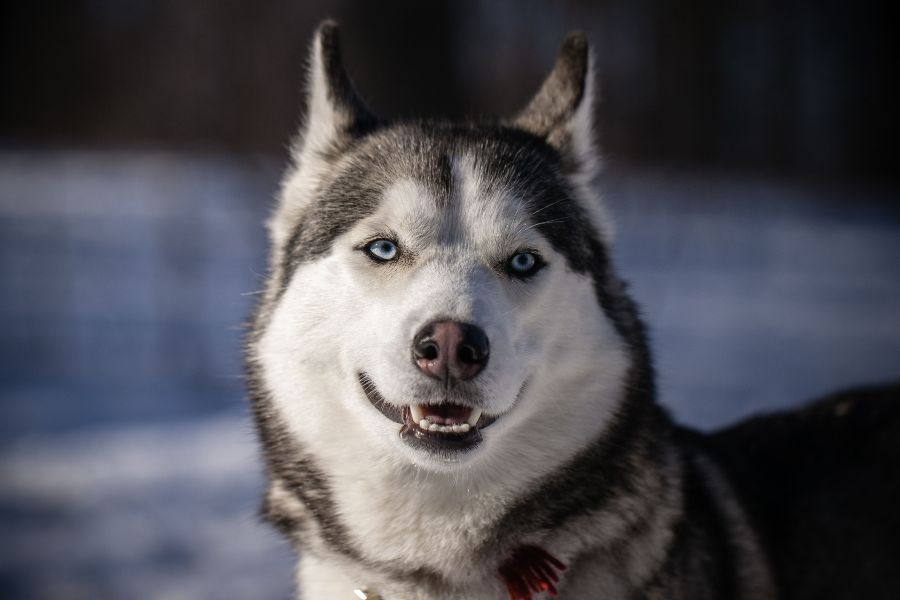
Siberian Huskies are known for their striking blue or brown eyes, thick coats, playful personalities, and impressive stamina. They are also generally healthy dogs with a good life expectancy. But if you are comparing a male and female Husky, you may wonder: Does sex affect how long a Husky lives?
The short answer is that there can be a small difference, but sex is not the main factor that determines a Husky’s lifespan. Genetics, body condition, diet, exercise, preventive care, living conditions, and inherited health problems have a much stronger effect on how many healthy years a dog enjoys.
Most Siberian Huskies live around 12 to 14 years, although some live shorter lives and others reach their mid-teens with good care and favorable genetics. Male and female Huskies can both have long, active lives.
So, is a female Husky likely to outlive a male? Sometimes, but there is no fixed rule. Understanding what really affects lifespan can help you make better decisions about your dog’s health at every stage of life.
How Long Do Siberian Huskies Live?
The typical Siberian Husky lifespan is about 12 to 14 years. Some Huskies remain healthy beyond this range, while others develop health problems earlier.
A Husky’s age does not tell the whole story. Two dogs that are both 10 years old can be in very different physical condition. One may still enjoy long walks and daily play, while another may need more rest and regular health monitoring.
Huskies are an active breed, so maintaining a healthy body weight and keeping them physically and mentally engaged can make a major difference in their quality of life.
What Is Considered a Long Life for a Husky?
A Husky that reaches 14 years has already lived a relatively long life for the breed. Reaching 15 or more years is possible, although it is less common.
The goal should not be to focus only on reaching a certain age. A better goal is to help your Husky stay comfortable, mobile, alert, and engaged for as many years as possible.
Male vs. Female Husky Lifespan
When comparing male and female Huskies, there is no major lifespan gap that applies to every dog.
Female dogs across many breeds have sometimes been found to have a small longevity advantage over males. However, breed, health history, reproductive status, body size, and lifestyle all affect the outcome. The difference between individual dogs can be much greater than the average difference between males and females.
For Huskies, it is more useful to think of sex as one small factor among many, rather than as a reliable predictor of lifespan.
Do Female Huskies Live Longer Than Male Huskies?
Female Huskies may have a slight advantage in longevity in some populations, but this does not mean that every female will live longer than every male.
A healthy male Husky with excellent genetics and consistent care can easily outlive a female with inherited health problems or poor overall health.
For example, a 13-year-old male Husky that maintains a healthy weight and receives appropriate preventive care may be in better shape than a 10-year-old female dealing with serious disease.
The individual dog’s health matters more than the sex listed on the medical record.
Do Male Huskies Have Shorter Lifespans?
There is no reason to assume that male Huskies will have a short life simply because they are male.
Male Huskies can remain active and healthy well into their senior years. Their larger average body size can affect joint stress and calorie needs, but good weight management and appropriate exercise can help protect mobility.
Other factors, such as genetics and preventable health problems, have a much greater impact on an individual dog’s expected lifespan.
What Really Determines a Husky’s Lifespan?
If sex is not the main factor, what should Husky owners pay attention to?
Several areas deserve attention throughout a dog’s life.
1. Genetics
Genetics can have a major influence on longevity. A dog may inherit a higher risk for certain eye disorders, joint problems, or other health conditions.
When choosing a Husky puppy, learning about the health history of the parents can provide useful information. Responsible breeders typically screen breeding dogs for known breed-related concerns.
Genetics cannot be changed after birth, but knowing your dog’s family health history can help you understand what to watch for.
2. Healthy Weight
A Husky’s thick coat can sometimes make it difficult to judge body condition by appearance alone.
Extra weight puts additional stress on the joints and can make exercise harder. Over time, carrying excess weight can affect mobility and overall comfort.
Keeping your Husky at a healthy body condition is one of the most practical things you can do to support a longer, healthier life.
3. Diet
Huskies need a balanced diet that matches their age, activity level, size, and individual needs.
A working or highly active Husky may have very different calorie requirements from a dog that spends most of the day indoors.
Portion control matters, too. Treats and table scraps can add more calories than owners realize.
Rather than choosing food based only on marketing claims, look for a complete and balanced diet appropriate for your dog’s life stage.
4. Exercise
Huskies were bred for endurance and activity. They typically need regular physical exercise as well as opportunities to use their minds.
Daily walks, supervised running, play, training games, scent activities, and other forms of enrichment can help keep a Husky physically and mentally active.
Exercise should still be adjusted for age. A young Husky may happily run for long periods, while a senior dog may need shorter walks with more rest.
5. Preventive Health Care
Routine checkups can help identify health problems before they become more difficult to manage.
Regular wellness visits may include weight monitoring, dental checks, vaccinations, parasite prevention, and discussions about changes in behavior or activity.
A Husky does not have to appear sick before a health concern deserves attention. Small changes can sometimes be important clues.
Common Health Concerns That Can Affect Husky Lifespan
Huskies are generally considered a relatively healthy breed, but they are not free from health problems.
1. Eye Conditions
Siberian Huskies can be prone to certain inherited eye conditions. Cataracts and other eye disorders can affect vision and quality of life.
Watch for signs such as cloudy-looking eyes, bumping into objects, reluctance to move in unfamiliar areas, or changes in how your dog navigates the home.
2. Hip and Joint Problems
Huskies can develop orthopedic problems, including hip dysplasia. Joint disease can become more noticeable as a dog gets older.
Maintaining a healthy weight and providing appropriate exercise can help reduce unnecessary strain on the joints.
3. Dental Disease
Dental problems are easy to overlook because dogs often continue eating even when their mouths hurt.
Bad breath, red or swollen gums, difficulty chewing, dropping food, or reluctance to have the mouth touched can indicate a problem.
Good dental care throughout life can help protect both comfort and overall health.
4. Skin and Coat Problems
That thick double coat needs regular care. Brushing helps remove loose fur and allows owners to notice changes in the skin.
Persistent itching, hair loss, sores, unusual odors, or irritated skin should not be ignored.
Does Spaying or Neutering Affect Husky Lifespan?
Spaying and neutering can affect a dog’s health risks, but the decision is not identical for every dog.
Age, sex, breed, lifestyle, reproductive plans, and individual health should all be considered. Research on sterilization and longevity has produced complex findings, and there is no universal age that is perfect for every Husky.
Talk with a qualified animal health professional about the benefits and potential considerations for your individual dog instead of relying on a one-size-fits-all rule.
Male vs. Female Husky: Which Is Healthier?
There is no simple winner.
A male Husky is not automatically less healthy than a female, and a female is not automatically healthier than a male. Temperament, genetics, body condition, activity level, preventive care, and environment all play important roles.
If you are choosing between a male and female Husky, focus less on lifespan differences and more on finding a dog with a strong health history and a personality that fits your household.
How to Help Your Husky Live a Longer, Healthier Life
You cannot control every factor that affects lifespan, but you can control many everyday habits.
1. Keep Weight in Check
Check your Husky’s body condition regularly rather than relying only on the number on a scale.
2. Stay Consistent With Exercise
Give your dog daily activity while adjusting the intensity for age, weather, fitness, and health.
3. Pay Attention to Behavior
Changes in appetite, sleep, energy, bathroom habits, mobility, or social behavior can provide useful clues about your dog’s health.
4. Keep Up With Routine Care
Regular health checks can help catch developing concerns early. Dental care, vaccinations, parasite prevention, and age-appropriate screening also matter.
5. Give Senior Huskies Extra Attention
As Huskies enter their senior years, their needs change. They may need shorter walks, more comfortable bedding, modified diets, or closer monitoring of their joints and behavior.
Senior does not mean inactive. Many older Huskies still enjoy play, exploration, training, and family time.
Husky Lifespan by Life Stage
Understanding the different stages of a Husky’s life can make age-related changes easier to recognize.
- Puppy: The first year is a period of rapid growth, learning, social development, and routine health care.
- Adult: From young adulthood through the middle years, maintaining a healthy weight, exercise routine, and preventive care becomes especially important.
- Senior: Around the later years of life, owners should pay closer attention to mobility, vision, hearing, dental health, weight, appetite, and behavior.
There is no exact birthday when a Husky suddenly becomes a senior. Dogs age at different rates, and individual health matters.
So, Do Male or Female Huskies Live Longer?
If you are looking for a simple answer, female Huskies may have a small average lifespan advantage, but the difference is not large enough to predict an individual dog’s future.
A Husky’s sex should not be the deciding factor when evaluating long-term health. Genetics, responsible breeding, healthy weight, nutrition, exercise, preventive care, and early attention to health changes are more useful areas to focus on.
Whether you have a male or female Husky, the same basic goal applies: support good health throughout every stage of life.
Conclusion
The typical Husky lifespan is around 12 to 14 years, and both male and female Siberian Huskies can reach their senior years with good quality of life. While females may have a slight longevity advantage in some dog populations, there is no dependable rule that female Huskies will outlive males.
The healthiest approach is to look beyond sex. Learn your dog’s family health history, maintain a healthy body condition, provide regular exercise, feed a balanced diet, keep up with preventive care, and take changes in behavior or physical condition seriously.
If you are choosing a Husky, don’t choose based on the assumption that one sex will automatically live longer. Choose based on health, temperament, responsible breeding, and your ability to meet the dog’s needs.
In the end, a Husky’s lifespan is not determined by being male or female alone. The everyday care you provide can play a much more meaningful role in how many healthy and happy years you share.
Frequently Asked Questions(FAQs):
1. What is the average lifespan of a Siberian Husky?
A: Most Siberian Huskies live about 12 to 14 years. Some live shorter lives, while others reach 15 years or more. Genetics, overall health, nutrition, exercise, body weight, and preventive care can all affect lifespan.
2. Do female Huskies live longer than male Huskies?
A: Female dogs can have a small average longevity advantage in some studies, but there is no guarantee that a female Husky will live longer than a male. Individual health and genetics are more important predictors of lifespan.
3. What is the oldest age a Husky can reach?
A: Some Huskies live into their mid-teens, although this is less common. Reaching 14 years or beyond is possible when a dog has favorable genetics and receives consistent care.
4. How can I help my Husky live longer?
A: Maintain a healthy weight, provide regular exercise, feed a balanced diet, stay current with routine health care, support dental health, and pay attention to changes in behavior or physical condition. Early attention to health concerns can make a meaningful difference.
5. Are male or female Huskies healthier?
A: Neither sex is automatically healthier. Male and female Huskies can both develop inherited or age-related conditions. A dog’s genetics, lifestyle, body condition, preventive care, and individual health history are more important than sex alone.