1925 Union Valley Road, Hewitt, NJ 07421


Apoquel Dose Chart vs. Side Effects: What Every Dog Owner Should Know
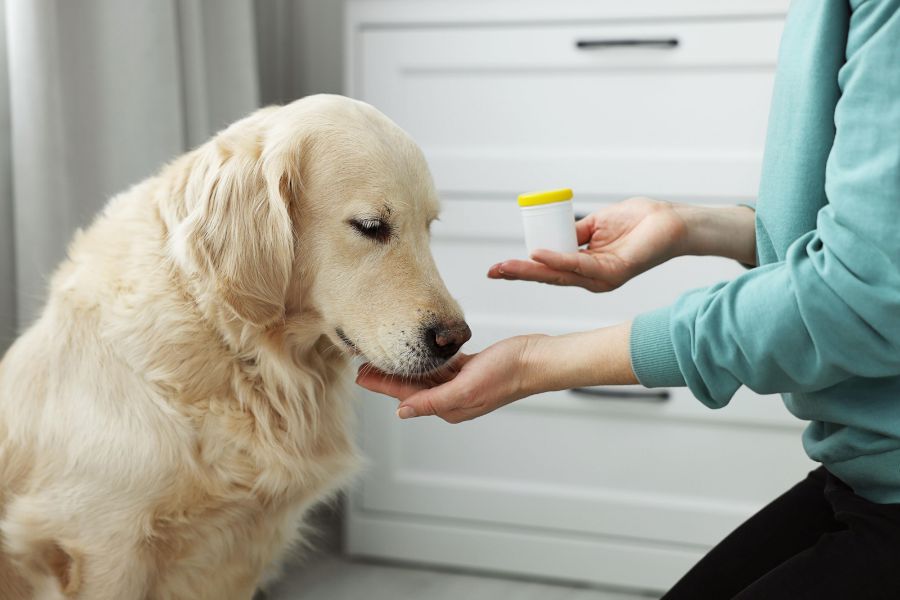
Apoquel can provide relief for dogs struggling with constant itching, allergic dermatitis, and uncomfortable skin irritation. Its effectiveness makes it a frequently discussed treatment among dog owners dealing with seasonal allergies and chronic itching.
Understanding the correct Apoquel dosage for dogs is just as important as recognizing potential side effects. The medication is prescribed according to body weight, with a twice-daily initial schedule followed by once-daily maintenance.
This guide explains the Apoquel dose chart, how the medication works, common and serious side effects, long-term safety considerations, and signs that require professional attention. Knowing what to expect helps owners make informed decisions about their dog’s allergy treatment.
What Is Apoquel and Why Is It Prescribed for Dogs?
Apoquel (oclacitinib) is a prescription medication used to control itching associated with allergic dermatitis and atopic dermatitis in dogs aged 12 months and older. It works by inhibiting specific Janus kinase (JAK) pathways involved in inflammatory and allergic responses.
Unlike medications that simply address visible skin irritation, Apoquel targets signals contributing to itching. Dogs experiencing environmental allergies, persistent scratching, paw licking, or recurring skin discomfort may benefit from treatment.
Apoquel manages symptoms rather than eliminating the underlying allergy. Identifying triggers remains important for lasting skin health.
Apoquel Dosage Chart for Dogs by Weight
The standard Apoquel dosage is 0.4–0.6 mg per kilogram (0.18–0.27 mg per pound) of body weight.
Important dosage information
The following chart reflects the manufacturer’s tablet-strength schedule. It is a reference, not an instruction to start or change medication without a prescription.
| Dog’s weight | 3.6 mg tablets | 5.4 mg tablets | 16 mg tablets |
|---|---|---|---|
| 6.6–9.9 lb | ½ | — | — |
| 10–14.9 lb | — | ½ | — |
| 15–19.9 lb | 1 | — | — |
| 20–29.9 lb | — | 1 | — |
| 30–44.9 lb | — | — | ½ |
| 45–59.9 lb | — | 2 | — |
| 60–89.9 lb | — | — | 1 |
| 90–129.9 lb | — | — | 1½ |
| 130–175.9 lb | — | — | 2 |
Source: Manufacturer’s prescribing information. The prescribed amount must be confirmed for your dog’s individual weight and medical history.
How Often Should Dogs Receive Apoquel?
- Initial treatment: Twice daily for up to 14 days.
- Maintenance treatment: Once daily after the initial period.
- Administration: Tablets can be given with or without food.
The schedule should not be extended, shortened, or restarted independently. Dogs requiring ongoing allergy control need periodic assessments to determine whether treatment remains appropriate.
Common Apoquel Side Effects in Dogs
Most dogs tolerate Apoquel, but unwanted reactions are possible. Vomiting and diarrhea are among the commonly reported short-term side effects.
Other reactions owners should recognize include:
- Reduced appetite or skipped meals.
- Unusual tiredness or lethargy.
- Increased thirst.
- New skin irritation or recurring infections.
- Changes in routine blood-test results.
A mild reaction still deserves attention if it persists or returns. Record when symptoms started, the medication strength, and the time of administration. Contact the prescribing professional before changing the treatment schedule.
Serious Side Effects That Require Attention
Apoquel affects immune-system signaling. Dogs may become more susceptible to infections, including skin infections and demodicosis. Existing infections or certain cancer-related conditions may worsen.
Seek prompt medical assessment if your dog develops persistent fever, worsening skin sores, unusual lumps, significant weakness, or repeated gastrointestinal symptoms. Breathing difficulty, facial swelling, collapse, or severe allergic reactions require emergency attention.
Is Apoquel Safe for Long-Term Use?
Apoquel can be prescribed for long-term maintenance in appropriate adult dogs. Long-term suitability depends on overall health, infection history, treatment response, and ongoing monitoring.
It is not recommended for dogs younger than 12 months or those with serious infections. Its use in breeding, pregnant, or lactating dogs is also not recommended.
Owners should discuss previous cancer diagnoses, recurrent infections, and other medications before treatment. Combining Apoquel with certain immunosuppressive medicines has not been adequately evaluated.
Why Regular Monitoring Matters
Periodic examinations and blood tests may help identify changes that are not immediately visible. Skin condition, appetite, energy, and infection frequency are useful details to track between appointments.
Apoquel Overdose: What Should Owners Do?
Accidental ingestion deserves immediate attention. The FDA reported increasing accidental Apoquel Chewable overdoses in 2026, including cases involving cats.
Keep chewable tablets in their original packaging, away from pets and children. Never leave medication on countertops or inside accessible bags.
If your dog receives an extra dose or another pet swallows a tablet, contact an emergency veterinary service immediately. Do not induce vomiting or wait for symptoms to appear.
When Should You Discuss Apoquel With a Professional?
Frequent scratching, paw chewing, recurring ear irritation, redness, and hair loss can indicate allergic skin disease. Parasites, bacterial infections, yeast infections, and food sensitivities can produce similar signs.
A skin examination helps identify the underlying problem rather than simply suppressing itching. Appropriate dermatology services can support the assessment and management of persistent skin conditions.
A complete treatment plan may include parasite prevention, skin care, dietary evaluation, medication, and follow-up monitoring.
Conclusion: Balance Allergy Relief With Medication Safety
An Apoquel dose chart provides useful weight-based guidance, but safe treatment involves more than selecting a tablet strength. Understanding common side effects, recognizing serious reactions, and attending follow-up examinations help protect your dog’s health.
Never increase, reduce, or share prescribed medication without professional advice. If your dog experiences persistent itching or develops unexpected symptoms during treatment, book an appointment to discuss the next steps. Timely assessment can help your dog achieve lasting comfort with an appropriate allergy-management plan.
Frequently Asked Questions About Apoquel for Dogs
1. How quickly does Apoquel start working in dogs?
A: Apoquel can begin reducing allergic itching within 4 hours, with noticeable improvement often occurring within 24 hours. Individual responses vary depending on the severity and underlying cause of the allergy.
2. Can I give my dog Apoquel twice daily?
A: Yes. The approved initial schedule is twice daily for up to 14 days, followed by once-daily maintenance. Follow the prescribed schedule rather than continuing twice-daily treatment independently.
3. What are the most common side effects of Apoquel?
A: Vomiting and diarrhea are commonly reported short-term reactions. Reduced appetite, lethargy, increased thirst, and certain blood-test changes may also occur. Contact your veterinarian if symptoms persist or worsen.
4. Can dogs take Apoquel for years?
A: Some dogs receive Apoquel as long-term maintenance therapy. Continued treatment requires periodic health assessments because immune-system effects, infection risks, and individual medical conditions influence its suitability.
5. Can Apoquel cause weight gain in dogs?
A: Weight gain is not among the primary commonly reported adverse reactions. Changes in appetite or activity may influence weight. Discuss unexpected weight changes with your dog’s healthcare professional.
6. Should I stop Apoquel if my dog develops diarrhea?
A: Do not independently change the prescribed treatment. Contact the prescribing professional, describe the severity and duration of diarrhea, and seek prompt assessment if vomiting, weakness, dehydration, or additional symptoms develop.