1925 Union Valley Road, Hewitt, NJ 07421


Best Ways to Keep Your Pet Cool During Summer
Hot weather can quickly become dangerous for pets if the right precautions are not in place. This guide covers practical cooling methods, hydration strategies, safe outdoor routines, and warning signs of heat stress. You will also learn how to adjust daily habits, create a comfortable home environment, and respond to emergencies with confidence.
These summer safety tips for pets help reduce risks while keeping your companion active and happy. For families in Hewitt, NJ, where humidity and rising temperatures are common, these insights can make a meaningful difference in your pet’s comfort and safety.
Understanding Why Pets Struggle in Heat
Pets do not regulate body temperature as efficiently as humans. Dogs rely on panting, while cats seek cool surfaces and shade. Thick coats, short snouts, age, and weight can increase vulnerability. High humidity makes it harder for pets to cool down, even in shaded areas.
Surfaces such as asphalt and sand retain heat and can burn paws within minutes. Enclosed spaces like parked cars trap heat rapidly, creating life-threatening conditions. Awareness of these factors helps prevent avoidable risks.
Provide Constant Access to Fresh Water
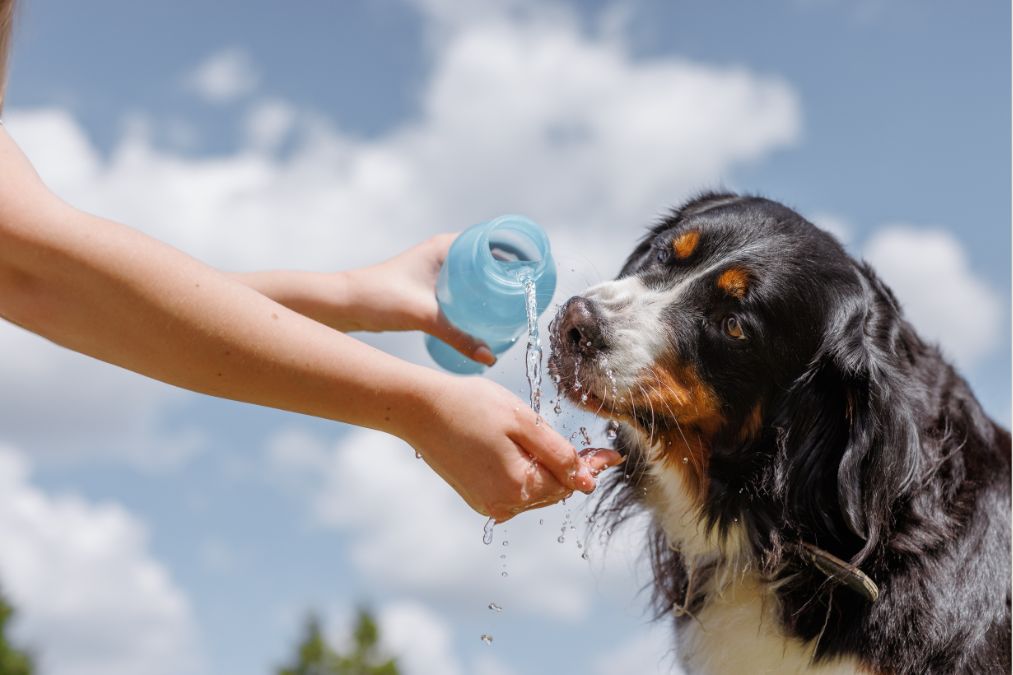
Hydration is one of the simplest and most effective cooling methods. Always keep clean, cool water available indoors and outdoors. Refill bowls frequently during hot days.
Consider placing multiple water stations around your home. Add ice cubes to maintain a lower temperature. Portable water bottles are useful for walks and travel. Proper hydration supports temperature regulation and prevents fatigue.
Create Cool Resting Areas at Home
Your pet needs a comfortable place to escape the heat. Choose shaded, well-ventilated areas inside your home. Cooling mats, damp towels, and tiled floors can provide relief.
Close curtains during peak sunlight hours to reduce indoor temperature. Fans improve air circulation, while air conditioning offers consistent cooling. Outdoor pets should have access to shaded shelters that allow airflow.
Adjust Exercise and Outdoor Activities
Timing plays a major role in keeping pets safe. Schedule walks early in the morning or later in the evening when temperatures are lower. Avoid midday outings when the sun is strongest.
Test pavement with your hand before walking your dog. If it feels too hot for you, it is unsafe for your pet. Shorter, slower walks help prevent overheating. Monitor your pet closely for signs of fatigue.
Use Safe Cooling Techniques
Simple cooling techniques can make a big difference. Lightly mist your pet with water or use a damp cloth on their paws, belly, and ears. These areas help regulate body temperature.
Offer frozen treats made from pet-safe ingredients. Cooling vests and bandanas can also provide relief during outdoor activities. Avoid using extremely cold water, as sudden temperature changes can cause discomfort.
Never Leave Pets in Parked Cars
Even with windows slightly open, temperatures inside a parked car can rise dangerously within minutes. This can lead to heatstroke or worse.
Always take your pet with you when leaving the car. If errands require stops, it is safer to leave your pet at home in a cool environment. This simple step can save lives.
Recognize Signs of Heat Stress
Early detection is essential. Common signs include excessive panting, drooling, lethargy, vomiting, and difficulty walking. In severe cases, pets may collapse or lose consciousness.
If you notice these symptoms, move your pet to a cooler area immediately. Offer water and use cool, damp towels to lower body temperature. Seek help from a veterinarian near you if symptoms persist or worsen.
Grooming and Coat Care
Regular grooming helps manage your pet’s coat during warmer months. Brushing removes excess fur and improves airflow to the skin.
Avoid shaving double-coated breeds, as their fur provides natural insulation. Instead, focus on maintaining a clean, well-brushed coat. Proper grooming supports temperature control without compromising protection.
Keep Indoor Activities Engaging
Hot weather can limit outdoor playtime. Indoor enrichment keeps your pet mentally and physically active. Use puzzle toys, interactive games, and short training sessions.
Rotate toys to maintain interest. Create obstacle courses using household items. These activities prevent boredom while keeping your pet safe from extreme heat.
Be Mindful of Local Weather Conditions
In Hewitt, NJ, summer often brings high humidity along with rising temperatures. This combination increases the risk of overheating. Check daily weather forecasts and plan activities accordingly.
Heat advisories should be taken seriously. Limit outdoor exposure during these periods. Adjust routines to prioritize your pet’s comfort and safety. These summer safety tips for pets help you stay prepared for changing conditions.
Travel and Outdoor Safety Tips
When traveling, ensure proper ventilation in your vehicle. Bring water, portable bowls, and cooling accessories. Plan frequent breaks in shaded areas.
For outdoor adventures, choose pet-friendly locations with access to water and shade. Avoid strenuous activities during peak heat. Preparation ensures a safer and more enjoyable experience for both you and your pet.
Conclusion
Keeping your pet cool during summer requires awareness, preparation, and consistent care. Small adjustments in daily routines can prevent serious health risks and improve overall comfort. From hydration and grooming to safe exercise and indoor enrichment, each step plays a role in protecting your companion. Paying attention to weather conditions and recognizing early warning signs ensures timely action. Your pet depends on you to create a safe environment during warmer months.
If you have concerns about your pet’s health during hot weather, do not wait. Book an appointment to ensure your pet stays healthy and comfortable throughout the season. Reach out to our Hewitt facility at 1925 Union Valley Rd, Hewitt, NJ 07421—where compassionate care and community come together for your pet’s well-being.
Frequently Asked Questions (FAQs):
1. How can I tell if my pet is too hot?
A: Watch for excessive panting, drooling, weakness, or unusual behavior. These signs indicate overheating. Immediate cooling and access to water are essential to prevent serious complications.
2. Is it safe to give pets ice water?
A: Cool water is safe and helpful, but avoid extremely cold water. Gradual cooling prevents shock and keeps your pet comfortable while lowering body temperature effectively.
3. Can pets stay outside during summer?
A: Pets can stay outside if proper shade, water, and ventilation are available. Continuous monitoring is important, especially during high heat or humidity.
4. What temperature is too hot for pets?
A: Temperatures above 85°F can be risky, especially with humidity. Adjust outdoor activities and provide cooling measures to ensure safety.
5. Are certain breeds more sensitive to heat?
A: Yes, flat-faced breeds, older pets, and those with thick coats are more prone to heat stress. Extra care and monitoring are necessary.
6.How often should I walk my dog in summer?
A: Limit walks to early morning or evening. Short, controlled outings reduce the risk of overheating and keep your dog comfortable.