1925 Union Valley Road, Hewitt, NJ 07421


Understanding Pet Allergies and How to Manage Symptoms Naturally and Medically
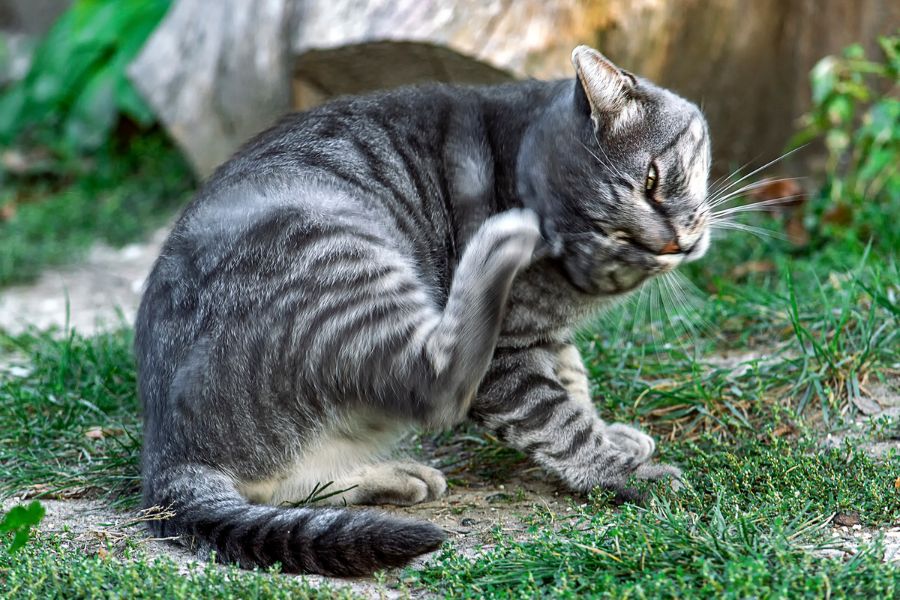
Pet allergies can affect animals of any age or breed, causing discomfort that impacts daily life. From itchy skin and irritated ears to digestive upset and sneezing, these reactions often leave owners searching for answers. This guide explains common triggers, early warning signs, and both natural and medical ways to ease symptoms.
You will also learn when professional care becomes necessary and how local environmental factors may play a role. If you live in Hewitt, seasonal pollen and wooded surroundings can influence allergy patterns in your area.
What Causes Allergic Reactions in Pets?
Allergies occur when the immune system reacts to a substance that is normally harmless. These triggers may include environmental elements, food ingredients, or parasites.
1. Environmental Triggers
Pollen from trees and grasses, mold spores, dust mites, and even household cleaning products can irritate sensitive animals. In communities surrounded by lakes, forests, and changing seasons, exposure to outdoor allergens may increase during spring and fall.
2. Food Sensitivities
Certain proteins, such as chicken, beef, or dairy, can trigger skin irritation or digestive upset. Food-related reactions often develop over time rather than immediately after a diet change.
3. Flea Allergy Dermatitis
A single flea bite can cause intense itching in sensitive pets. Consistent parasite prevention reduces this risk significantly.
Recognizing the Signs Early
Symptoms vary depending on the trigger. Common signs include:
- Persistent scratching or licking
- Red, inflamed skin
- Hair loss or hot spots
- Recurring ear infections
- Sneezing or watery eyes
- Vomiting or loose stool
Early detection allows quicker relief. Ongoing irritation can lead to secondary infections that require more involved treatment.
Natural Approaches to Support Comfort
Some mild cases improve with lifestyle adjustments and supportive care. Natural strategies focus on reducing exposure and strengthening the skin barrier.
1. Improve Indoor Air Quality
Use high-efficiency air filters and clean bedding weekly in hot water. Vacuum carpets and upholstery regularly. Simple changes can lower allergen buildup inside the home.
2. Balanced Nutrition
A high-quality, limited-ingredient diet supports skin health. Omega-3 fatty acids from fish oil may help maintain a healthy coat and reduce inflammation. Always introduce supplements gradually and under guidance.
3. Gentle Skin Care
Oatmeal-based baths can soothe itching. Hypoallergenic shampoos formulated for sensitive skin help remove surface allergens without stripping natural oils. Avoid overbathing, as excessive washing may dry the skin.
4. Paw and Coat Maintenance
Wipe paws and fur after outdoor walks. This small habit reduces pollen transfer into your home and limits skin irritation.
Natural care provides comfort for many animals, yet persistent symptoms require additional support.
Medical Treatment Options
Professional evaluation ensures accurate diagnosis. Treatment plans are tailored to each pet’s needs and health history.
1. Antihistamines and Anti-Itch Medications
Certain medications calm the immune response and ease itching. Dosages vary by weight and condition. These treatments may be used seasonally or long-term.
2. Prescription Diet Trials
If food sensitivity is suspected, a structured elimination diet helps identify the source. Strict adherence is necessary for reliable results.
3. Allergy Testing
Skin or blood tests can pinpoint specific triggers. This information guides targeted therapy and environmental adjustments.
4. Immunotherapy
For chronic cases, customized allergy drops or injections gradually desensitize the immune system. Improvement develops over several months.
Transparency in treatment planning builds trust. Clear explanations of options, expected outcomes, and costs help owners make informed decisions. If you would like to explore preventive care, diagnostics, or wellness programs in greater detail, we invite you to visit our website to learn more about our full range of services and how we support long-term health.
Seasonal Patterns in Northern New Jersey
Climate plays a role in symptom flare-ups. In wooded regions near lakes and hiking trails, tree and grass pollen levels can rise quickly during warmer months. Damp conditions may encourage mold growth in basements or shaded yards.
Monitoring local weather and pollen forecasts helps anticipate changes. Routine grooming after outdoor activities reduces exposure. Community awareness strengthens prevention efforts and keeps pets comfortable throughout the year.
Building a Long-Term Management Plan
Managing pet allergies requires consistency. Relief rarely comes from a single solution. A structured approach may include:
- Identifying and avoiding triggers
- Maintaining routine grooming
- Supporting skin health through nutrition
- Scheduling regular wellness visits
- Adjusting treatment as seasons change
Open communication with your care team ensures that changes in symptoms are addressed promptly. Every pet responds differently. Patience and observation are key.
When to Seek Immediate Care
Severe swelling, difficulty breathing, or sudden vomiting may indicate an acute reaction. These signs require urgent evaluation. Quick action prevents complications and promotes recovery.
Conclusion
Pet allergies may feel overwhelming at first, yet a clear plan and early action make a meaningful difference. Understanding triggers, recognizing signs, and combining natural support with medical care provides lasting relief. Consistent monitoring strengthens results and protects overall health.
We are conveniently located in Hewitt, NJ, and welcome you to our facility at 1925 Union Valley Rd, Hewitt, NJ 07421—where compassionate care and community come together for your pet’s well-being. Schedule an appointment with Greenwood Lake Animal Hospital.
Frequently Asked Questions(FAQs):
1. What are the most common symptoms of allergies in pets?
A: The most common signs include persistent itching, red skin, ear infections, watery eyes, sneezing, and digestive upset. Some animals also develop hair loss or hot spots. Symptoms may worsen seasonally or remain constant year-round.
2. Can allergies develop later in life?
A: Yes. Animals can develop sensitivities at any age. Repeated exposure to certain foods or environmental triggers may lead to symptoms over time, even if your pet previously showed no reaction
3. Are natural remedies enough to control symptoms?
A: Mild cases sometimes improve with dietary adjustments, grooming routines, and environmental control. Moderate to severe reactions usually require medical support to prevent infections and long-term discomfort.
4. How long does an elimination diet take to show results?
A: Most diet trials last eight to twelve weeks. Consistency is essential. Even small treats outside the approved plan can interfere with accurate results and delay improvement.
5. Is allergy testing painful?
A: Testing methods are generally well tolerated. Blood tests require a simple sample. Skin testing involves mild exposure to allergens under controlled conditions to observe reactions safely.
6. Can allergies be cured permanently?
A: Allergies cannot usually be cured, but they can be managed successfully. A combination of avoidance strategies, supportive care, and medical treatment helps maintain comfort and quality of life.