1925 Union Valley Road, Hewitt, NJ 07421


Growth Patterns in Cats: When Does It Come to an End?
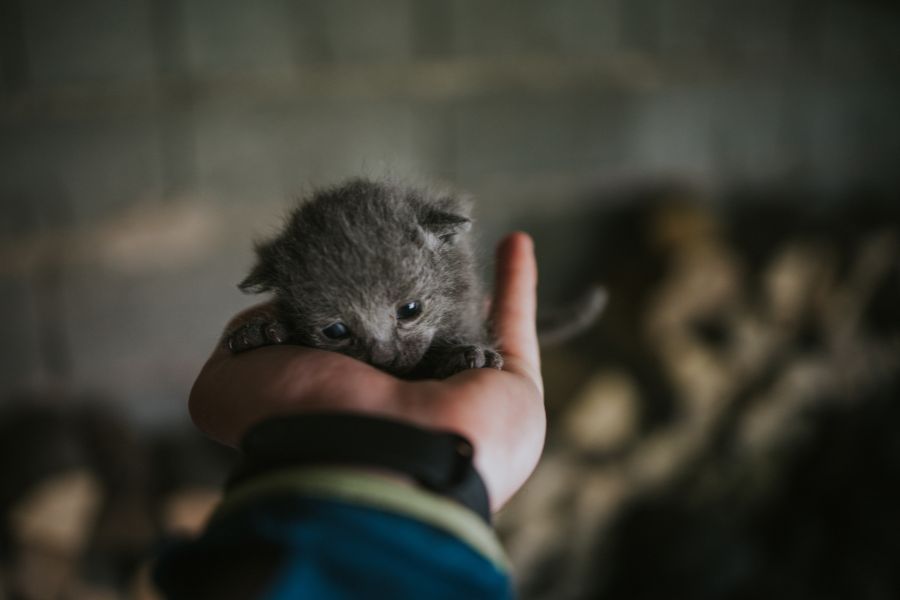
Understanding how cats grow can help pet owners support their development more effectively. Although every feline is unique, general patterns have been observed across breeds, sizes, and life stages.
Frequently, owners wonder when cats stop growing, especially when changes in size, appetite, or behavior are noticed. By exploring feline growth phases and the factors that influence them, clearer expectations can be formed about a cat’s journey from kittenhood to adulthood.
The Early Months: Rapid Development Begins
During the first few months of life, growth occurs at a surprisingly fast pace. Kittens are typically born weighing only a few ounces. Yet, within weeks, their bodies begin doubling or even tripling in size. This rapid pace is supported by high-calorie diets, increased nursing, and constant sleep cycles. Moreover, their bones, muscles, and organs undergo intense development.
By eight weeks of age, most kittens have reached a significant portion of their early growth milestones. However, at this point, their developmental journey is far from complete. Many pet owners start to ask ‘When do cats stop growing?’, especially when behaviors shift from dependent kitten energy to more independent exploration.
Growth Through Adolescence: Gradual Yet Noticeable
From three to six months, growth continues but tends to slow compared to the early stage. During this period, kittens begin losing their baby teeth, their muscles strengthen, and their coordination improves. Their bodies lengthen, and their overall structure becomes more defined.
Even though the growth rate slows during adolescence, changes are still easy to spot. Energy levels remain high, and curiosity increases. The question of when cats stop growing often arises again, particularly when owners observe growth spurts or sudden changes in weight. Notably, growth patterns may differ slightly depending on breed and nutrition.
Approaching Adulthood: When Does Growth End?
In most cases, cats reach their full size between 12 to 18 months. However, this range can vary. Smaller breeds and mixed-breed cats commonly stop growing earlier, while larger breeds, such as the Maine Coon, may continue growing until they reach three to four years of age. This extended growth period is considered completely normal in larger breeds.
Therefore, the answer to when cats stop growing depends on several factors, including genetics, breed, and overall health. Although many cats appear fully grown by one year of age, internal development may continue quietly for months afterward. Their bones, muscles, and organs strengthen even when noticeable external growth slows.
Factors That Influence Growth Patterns in Cats
Even though growth timelines are somewhat predictable, multiple factors can influence a cat’s final size and development. Understanding these can help owners ensure healthy growth.
1. Genetics and Breed
Genetics plays a dominant role in determining growth speed and size. Some breeds naturally grow longer or taller than others. For instance, large breeds take more time to reach full maturity. Consequently, when cats stop growing becomes more complex when pedigree traits are considered.
2. Nutrition Quality
Balanced nutrition is essential. Diets rich in protein, vitamins, and minerals help support steady growth. When nutritional needs are not met, stunted growth, delayed development, or weight issues may occur.
3. Overall Health and Medical Support
Regular checkups ensure growth remains on track. Conditions such as digestive issues, parasites, or hormonal imbalances can affect growth rates. If you’re located in Florence, then consulting a Florence veterinarian at appropriate intervals is beneficial for monitoring development.
4. Environment and Activity Levels
Cats raised in enriched environments tend to build stronger muscles and develop healthier body compositions. Toys, climbing structures, and interactive play stimulate physical and mental growth.
Behavioral Changes as Growth Slows
Behavioral shifts often accompany the end of physical growth. Even though cats remain playful throughout life, adult felines tend to settle into predictable routines. Increased confidence, stronger territorial awareness, and calmer energy may emerge.
Owners might notice a decrease in rapid weight gain or changes in eating habits as growth slows. Increased grooming behaviors, reduced clinginess, or maturing independence can also be signs that growth is nearing completion. These subtle indicators often align with the final phases of when cats stop growing.
How to Support Healthy Growth in Your Cat
Supporting your cat’s development requires consistent care and appropriate resources. While genetic factors cannot be changed, daily habits strongly influence overall growth quality.
1. Provide Balanced Meals
Feeding kitten-specific formulas during the early months ensures adequate nutrients. Transitioning to adult formulas should be done gradually once the cat reaches the right age.
2. Maintain Routine Veterinary Care
Vaccinations, parasite control, and regular examinations help monitor growth and detect issues early.
3. Create a Stimulating Home Environment
Climbing towers, puzzle feeders, and toys encourage physical and mental engagement, promoting strong muscle tone and coordination.
4. Encourage Safe Socialization
Exposure to gentle human interaction and other pets helps reduce stress, which can indirectly support healthy growth.
Recognizing Growth Problems Early
Even though most kittens grow without complications, growth issues can arise. Signs such as sudden weight loss, persistent lethargy, or lack of appetite should not be ignored. Furthermore, disproportionate limb growth, delayed teething, or slow development may indicate underlying health concerns.
Growth disorders should be evaluated promptly. Early diagnosis makes treatment easier and ensures a healthier adulthood. Whenever unusual changes appear, professional guidance is recommended.
FAQs About Cat Growth
1. When is a cat considered fully grown?
A: Most cats reach full physical size between 12 and 18 months, but large breeds may grow for several years.
2. How many times should the keyword “when do cats stop growing” appear in a blog?
A: It has been naturally included multiple times to enhance SEO without keyword stuffing.
3. Do male and female cats grow at different rates?
A: Generally, male cats tend to be larger and may grow slightly longer, but differences vary widely among individuals.
4. Can a poor diet affect a cat’s growth timeline?
A: Yes. Inadequate nutrition can delay development or lead to stunted growth.
5. Do indoor cats grow differently from outdoor cats?
A: Indoor cats often receive more consistent nutrition and may grow at more predictable rates, while outdoor cats may have more variable growth patterns.