1925 Union Valley Road, Hewitt, NJ 07421


Pet Dental Care 101: Protecting Your Dog or Cat’s Health
Healthy teeth and gums play a quiet yet powerful role in your pet’s daily comfort and long-term wellness. This guide explains why pet dental health matters, what warning signs owners should notice, and how simple routines at home protect dogs and cats from pain, bad breath, and hidden infections.
You will learn practical brushing tips, diet choices, toy ideas, and the value of regular oral checkups. Each section focuses on realistic habits busy pet owners can follow without stress. The goal is simple: protect comfort, prevent disease, and support a longer, happier life for your companion.
Local pet families also face seasonal concerns such as dry winter air, mineral-rich water, and diet choices that affect oral hygiene. This article helps readers make confident care decisions in Hewitt, NJ.
Why Dental Care Matters
Dental care affects more than breath. Plaque forms daily on teeth and slowly hardens into tartar. Irritated gums follow, creating discomfort while eating or chewing. Bacteria may enter the bloodstream and strain the heart, kidneys, and liver. Many pets hide pain, so problems grow quietly until appetite drops or swelling appears. Strong routines protect pet dental health and support full-body wellness.
Clean teeth allow comfortable chewing, playful energy, and fresher breath during daily cuddles. Owners also notice brighter smiles and improved mood when mouths feel healthy. Dental care works best with small daily habits combined with periodic professional cleanings. Pets of every age benefit, from curious kittens to relaxed senior dogs. Early attention reduces expensive treatment later and keeps routines calm for both pets and families.
Signs Your Pet May Have Dental Trouble
Pets rarely complain about mouth pain, which makes observation important. Watch for bad breath that lingers after meals. Red or swollen gums also suggest irritation. Yellow buildup along the gumline shows plaque turning into tartar. Drooling more than usual may signal discomfort. Some pets chew on one side only. Others drop kibble while eating.
Pawing at the mouth deserves attention. A sudden dislike for crunchy treats may appear. Cats sometimes hide and groom less when their mouths hurt. Dogs may seem quiet during play. Early recognition helps avoid deeper infection.
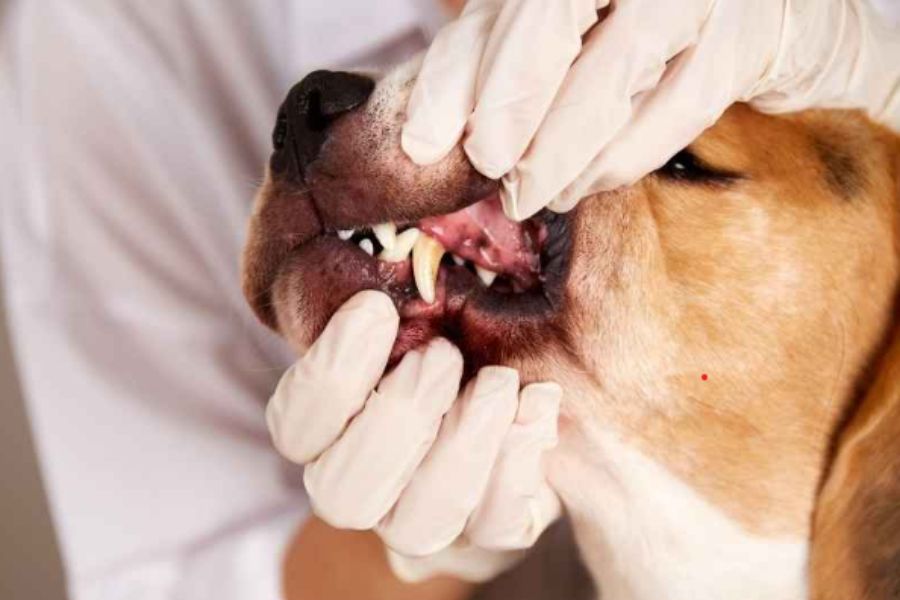
Regular checks at home make these changes easier to notice. Lift the lip gently once a week. Look for color changes, swelling, or odor. Quick action protects comfort and appetite every single day.
Daily Habits for a Healthier Mouth
Consistent habits protect teeth more effectively than occasional fixes. Brushing remains the gold standard for home care. Use a soft pet toothbrush and flavored toothpaste made for animals. Gentle circular motions clean the outer surfaces where plaque gathers. Aim for short sessions several times each week. Praise and patience build cooperation.
Dental chews also support cleaner teeth. Textured treats rub against enamel during chewing. Rubber toys encourage natural scraping action. Fresh water supports saliva flow that washes food particles away. Balanced nutrition matters as well. Diets with controlled minerals help limit heavy buildup. Avoid constant sugary snacks from the table.
A weekly mouth check strengthens awareness. Calm routines help pets accept handling without fear. Owners often notice bonding moments during brushing. These small steps create a cleaner mouth and a happier daily life for pets and their families.
Professional Dental Care
Home care helps greatly, yet some plaque still hardens below the gumline. Professional dental visits allow deeper cleaning and careful inspection. A trained team checks teeth, gums, and jaw alignment. Early findings make treatment simpler for pets and owners. Clinics also review diet, chewing habits, and home routines.
Pet parents receive clear guidance they can apply immediately. If you want to understand the full range of care available, take a moment to explore the practice website, where services, preventive programs, and wellness resources are explained in detail.
Learning about these options helps families plan smarter health routines for their pets. Regular dental evaluations build confidence and protect comfort through every life stage.
Conclusion
Strong dental habits protect comfort, appetite, and playful energy throughout a pet’s life. Small routines such as brushing, chew selection, and regular mouth checks make a noticeable difference. Professional evaluations add deeper insight and preventive cleaning that keeps problems from growing.
Pet owners who stay observant often notice happier eating, fresher breath, and brighter expressions. A healthy mouth supports the entire body, helping pets stay active and comfortable for many years.
We are conveniently located in Hewitt, NJ, and welcome you to our facility at 1925 Union Valley Rd, Hewitt, NJ 07421—where compassionate care and community come together for your pet’s well-being. Book an appointment with Greenwood Lake Animal Hospital. Our team enjoys guiding local families through simple preventive care plans tailored to each pet.
Thoughtful dental support today protects comfort tomorrow and strengthens the lifelong bond between pets and the people who love them every day at home and during joyful outdoor walks around the neighborhood with calm confidence and pride.
Frequently Asked Questions(FAQs):
1. How often should I brush my pet’s teeth?
A: Most dogs and cats benefit from daily brushing, though three times weekly still improves cleanliness. Slow introduction works best. Start with finger brushes or gauze before using a full toothbrush for comfort and trust building.
2. Why does my pet have bad breath?
A: Bad breath often signals bacterial buildup along teeth and gums. Food debris and plaque produce odor during breakdown. Persistent smell deserves a dental check because infection or decay may exist beneath the gumline, causing discomfort.
3. Are dental chews enough to keep teeth clean?
A: Dental chews help reduce plaque through chewing friction, yet they cannot replace brushing. Think of them as support tools. Pair chews with brushing and routine exams for stronger protection against tartar buildup and gum irritation.
4. What are common signs of dental disease in pets?
A: Yellow or brown buildup along the gumline often indicates tartar. Redness, swelling, drooling, or chewing difficulty also signal dental trouble. A quick clinic visit confirms the cause and guides the right cleaning or treatment plan.
5. How often should pets receive dental checkups?
A: Many adult pets benefit from yearly dental exams. Younger animals may need less frequent care, while seniors often require closer monitoring. Individual risk depends on breed, diet, chewing habits, and dental history noted by professionals.
6. Are dental treats safe for dogs and cats?
A: Safe dental treats approved for pets can support cleaner teeth. Look for textured surfaces that scrub plaque. Avoid hard bones that risk tooth fractures. Your clinic can suggest options suited to your pet’s size and chewing.