1925 Union Valley Road, Hewitt, NJ 07421


5 Signs Your Dog Needs a Professional Dental Cleaning (Not Just a Chew Toy)
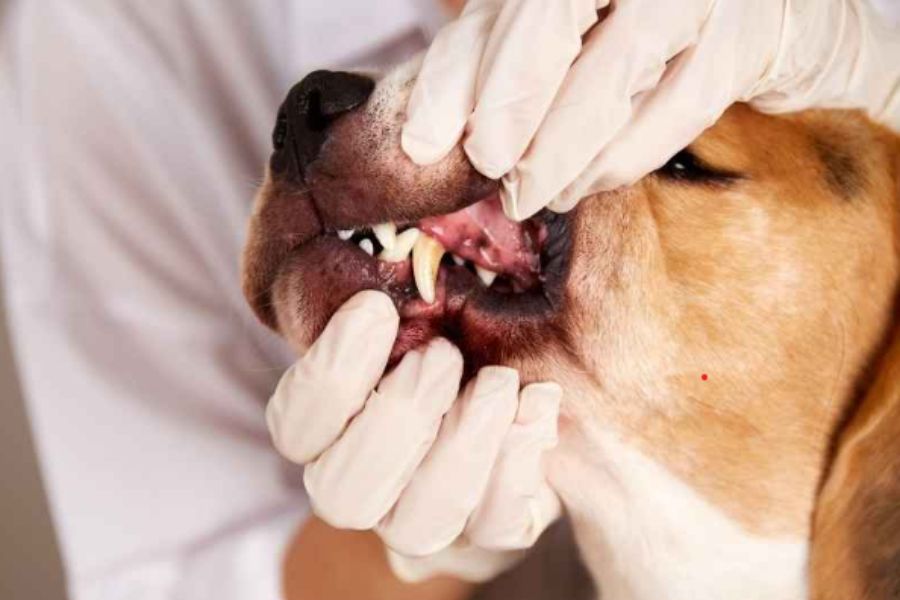
Your dog’s teeth affect more than their smile. Poor oral hygiene can lead to discomfort, bad breath, eating problems, and behavior changes that many pet owners miss. Dental chews and toys may help reduce plaque, yet they cannot remove hardened buildup or treat gum irritation once it develops.
Knowing when your dog needs professional dental cleaning can protect comfort and support long-term health. This guide explains warning signs, what causes them, and how routine dog dental care helps prevent larger issues. Pet owners in Hewitt often ask when a cleaning becomes necessary instead of optional.
Why Dog Dental Care Matters
A dog’s mouth collects food particles, bacteria, and plaque. When plaque stays on the teeth, it hardens into tartar near the gums. This buildup can irritate the mouth and create pain while chewing. Some dogs continue eating normally even when discomfort exists.
Professional dog teeth cleaning removes tartar from areas that brushing and chew toys cannot reach. Regular cleanings also allow the care team to identify broken teeth, gum swelling, and other concerns earlier.
1. Persistent Bad Breath
More Than Typical “Dog Breath”
Many owners assume strong breath is normal for dogs. Mild odor can happen after meals, yet constant foul breath often points to plaque buildup and bacteria under the gums. If your dog’s breath smells unusually strong, a professional dental cleaning may be necessary.
Dental treats can temporarily mask odor, though they rarely remove hardened tartar. Persistent bad breath usually means bacteria are collecting below the gumline. Early treatment can improve comfort and reduce irritation.
2. Yellow or Brown Tartar Buildup
Visible Changes on the Teeth
One of the clearest signs of dental disease in dogs is discoloration near the gumline. Yellow or brown material attached to the teeth is often tartar. Once tartar hardens, brushing alone cannot safely remove it.
Small dogs and older pets commonly develop tartar faster than others. Some breeds also experience dental crowding, which traps food between teeth. Professional dog dental cleaning removes this buildup.
3. Red, Swollen, or Bleeding Gums
Gum Irritation Should Never Be Ignored
Healthy gums usually appear firm and light pink. Redness, swelling, or bleeding can signal irritation caused by bacteria and plaque. Some dogs pull away when their owners touch their mouths.
Bleeding during chewing or while playing with toys can indicate gum disease. Delaying treatment may allow irritation to worsen over time. Regular dental exams and cleanings help keep gums healthier and reduce pain.
4. Trouble Eating or Chewing
Changes in Eating Habits Matter
Dogs with oral discomfort often change how they eat. Some chew only on one side of the mouth. Others drop food, avoid crunchy treats, or eat more slowly than usual.
Pain from infected gums or damaged teeth can make chewing uncomfortable. A professional cleaning can help identify the source of discomfort.
5. Pawing at the Mouth or Behavioral Changes
Small Habits Can Reveal Discomfort
Dogs cannot explain when their mouth hurts. Many show discomfort through behavior changes instead. Pawing at the face, rubbing the mouth against furniture, drooling more than normal, or avoiding touch around the muzzle may indicate oral pain.
Some dogs become quieter or less interested in play because discomfort affects their mood. Professional dental care can improve comfort.
How Often Should Dogs Get Professional Dental Cleaning?
Every dog has different dental needs. Many dogs benefit from annual dental evaluations. Some may need professional cleanings more often if tartar develops quickly.
Daily brushing, dental chews, and healthy diets support cleaner teeth between visits. These habits work best when combined with routine professional care instead of replacing it completely.
Conclusion
Dental problems can quietly affect your dog’s comfort long before obvious symptoms appear. Paying attention to bad breath, tartar buildup, gum irritation, eating changes, and unusual behavior can help you act earlier. Professional dog dental cleaning supports healthier teeth and fresher breath.
At Greenwood Lake Animal Hospital, we provide dental care focused on your dog’s comfort and long-term wellness. Schedule an appointment with our team to help protect your pet’s oral health and keep their smile healthier.
If you are located in Hewitt, connect with our welcoming facility, where compassionate care and community support come together for your pet’s continued well-being.
Frequently Asked Questions(FAQs):
1. How do I know if my dog needs professional dental cleaning?
A: Persistent bad breath, tartar buildup, swollen gums, trouble chewing, and mouth sensitivity are common signs. A dental exam can determine whether plaque and tartar have progressed beyond home care.
2. Are dental chews enough for my dog’s teeth?
A: Dental chews help reduce plaque between cleanings, but they cannot remove hardened tartar under the gums. Professional cleanings remain important for maintaining healthy teeth and identifying hidden oral problems.
3. How long does a professional dog dental cleaning take?
A: Most professional dog dental cleaning appointments take a few hours, depending on your dog’s size and oral condition. Your care team will explain the expected timeline before treatment begins.
4. What happens if dental disease is left untreated in dogs?
A: Untreated dental disease may lead to pain, gum infection, tooth damage, and difficulty eating. Some dogs also experience worsening breath and reduced comfort during daily activities without treatment.
5. Can younger dogs need dental cleanings, too?
A: Yes. Younger dogs can still develop plaque and tartar buildup, especially smaller breeds with crowded teeth. Early dental care helps prevent larger oral health issues as dogs grow older.
6. How can I keep my dog’s teeth cleaner between appointments?
A: Daily brushing, dental chews, water additives, and routine oral checks can support cleaner teeth between professional visits. Consistent home care combined with regular cleanings provides better protection against plaque and tartar. For your dog.