1925 Union Valley Road, Hewitt, NJ 07421


Why Dogs Misbehave (and How to Correct Common Behavior Problems)
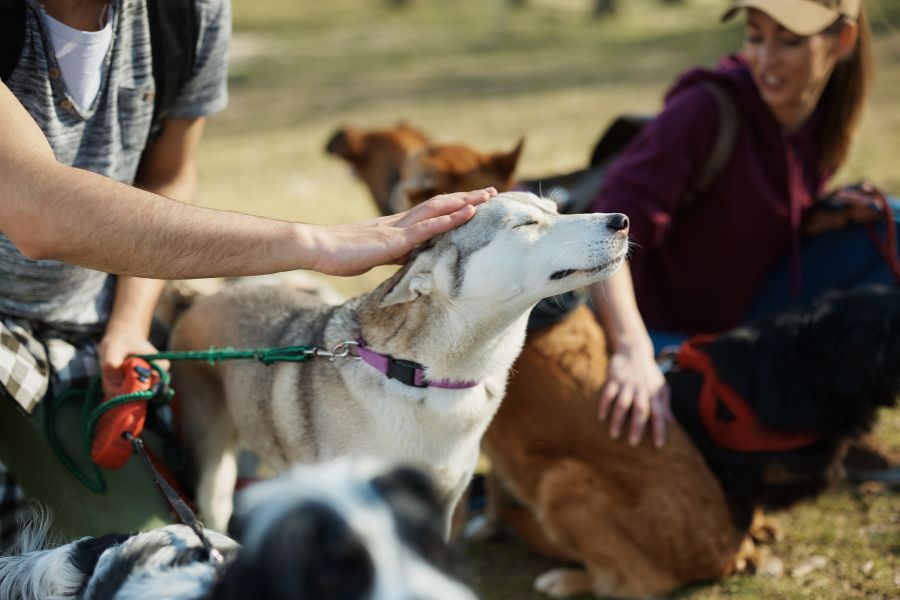
A dog behaviour problem can feel confusing, frustrating, and personal. This guide explains why dogs act out, what those behaviors usually mean, and how practical training steps can restore calm at home. You will learn about common triggers, age-related challenges, environmental stress, and simple routines that support better habits.
Each section offers clear actions you can start today, plus guidance on when professional help makes sense. By the end, you will understand how to build trust, set boundaries, and create lasting change for your dog and your family in Hewitt, NJ.
Understanding Why Dogs Misbehave
Dogs communicate through actions. Chewing, barking, jumping, or ignoring cues often signal unmet needs. Many issues grow from boredom, anxiety, inconsistent rules, or limited social learning. Puppies explore with their mouths. Adolescents test limits. Adult dogs react to changes in routine, noise, or new family members. Senior dogs face discomfort or confusion that shows up as restlessness or accidents.
Genetics plays a role. Some breeds were developed for alertness, movement, or independent work. When those drives lack outlets, behaviors appear. Learning history matters too. If jumping once earns attention, the habit sticks. If pulling reaches exciting smells, the leash becomes a contest.
The Most Common Behavior Problems
1. Excessive Barking
Barking serves many purposes: alerting, seeking play, and easing stress. Patterns reveal causes. Door sounds spark alarms. Long afternoons create boredom. Short training games, puzzle feeders, and calm greetings reduce noise. Reward quiet moments, not just silence on command.
2. Destructive Chewing
Chewing relieves stress and supports dental health, yet furniture destruction points to anxiety or too much idle time. Offer varied textures, rotate toys weekly, and protect tempting items. Confinement training helps during absences, paired with pre-departure exercise.
3. Jumping on People
Dogs jump to greet faces. Teach an incompatible behavior, such as sitting for attention. Ask visitors to wait for four paws on the floor. Reinforce calm arrivals with treats at knee level and steady praise.
4. Leash Pulling
Pulling often starts because it works. Switch to reward-based walking. Mark loose-leash steps, change direction often, and keep sessions short. Sniff breaks become earned privileges, not automatic outcomes.
5. House Soiling
Accidents usually reflect missed signals, schedule gaps, or stress. Reset routines. Track meals, walks, and naps. Clean with enzyme products. Praise outdoor success within two seconds so the message lands.
How to Correct Behavior Problems with Compassion
Training succeeds when expectations stay consistent, and rewards arrive on time. Focus on management first. Prevent rehearsal of unwanted habits with gates, crates, and leashes. Teach one skill at a time in quiet spaces. Increase difficulty slowly.
Mental exercise matters as much as physical outlets. Five-minute scent games tire minds fast. Scatter feeding turns meals into enrichment. Short daily trick sessions build confidence. Calm handling during grooming teaches patience.
Social needs differ by dog. Some thrive in parks. Others prefer one steady friend. Watch body language. Curved approaches, loose tails, and soft eyes show comfort. Stiff bodies or tucked tails signal a need for space.
Family alignment keeps progress steady. Write simple rules for greetings, feeding, and walks. Everyone follows the same cues. Rewards stay predictable. Boundaries stay kind.
In the middle of most cases, a dog behaviour problem improves once owners spot triggers and replace reactions with trained choices. Logs help. Note times, locations, and outcomes. Patterns appear within a week, guiding smarter plans.
When to Seek Professional Help
Persistent fear, sudden aggression, or regression after steady progress deserve expert guidance. Certified trainers use humane methods to reshape habits. A checkup also helps rule out pain when behavior changes quickly. Early support shortens recovery and protects relationships.
Building a Daily Routine That Works
Structure brings security. Start mornings with movement. Add training before meals. Schedule quiet time after play. Nutrition influences energy and focus. Choose age-appropriate portions. Avoid free-feeding when training. Celebrate small wins. Progress looks uneven at first. Consistency beats intensity.
Conclusion
Every dog brings a story shaped by biology, learning, and daily experiences. Change begins when owners listen to behavior, meet core needs, and teach clear alternatives. Simple routines, kind boundaries, and mental enrichment reshape habits over time.
Track progress, celebrate small gains, and ask for help when signals feel confusing. With steady practice, even a stubborn pattern can soften. If you face a dog behaviour problem, remember that partnership, patience, and structure guide lasting results for you and your dog.
If you are in Hewitt, NJ, and looking for veterinary dental care, book an appointment with Greenwood Lake Animal Hospital.
Frequently Asked Questions(FAQs):
How long does it take to fix behavior problems?
Most families see early changes within two weeks of consistent practice. Lasting habits develop over several months. Progress depends on repetition, clear rewards, and managing triggers. Complex cases need longer timelines and guided plans.
Can older dogs still learn new behaviors?
Yes. Adult and senior dogs learn through the same reward pathways as puppies. Sessions stay shorter, surfaces stay non-slip, and expectations stay realistic. Many older dogs show strong focus once routines feel safe and predictable.
Is punishment effective for stopping bad habits?
Punishment suppresses actions without teaching alternatives. It often raises stress and confusion. Reward-based training shows dogs what to do instead. Clear cues, timely treats, and calm guidance build cooperation and confidence.
What if my dog only misbehaves when alone?
Separation stress drives many solo-time issues. Start with brief departures, enrich the environment, and avoid emotional exits. Gradual independence training paired with exercise before leaving supports calmer absences at home.
Do toys really reduce problem behaviors?
Interactive toys channel energy and curiosity. Rotate options weekly to keep novelty high. Pair toys with training goals, such as rewarding calm chewing or quiet play, to replace destructive choices.
When should I involve a trainer?
Seek help if safety feels uncertain, fear escalates, or progress stalls after several weeks. A qualified trainer creates step-by-step plans, coaches timing, and adapts exercises to your dog’s learning style.