1925 Union Valley Road, Hewitt, NJ 07421

Indoor vs Outdoor Living: Does It Affect Great Dane Lifespan?
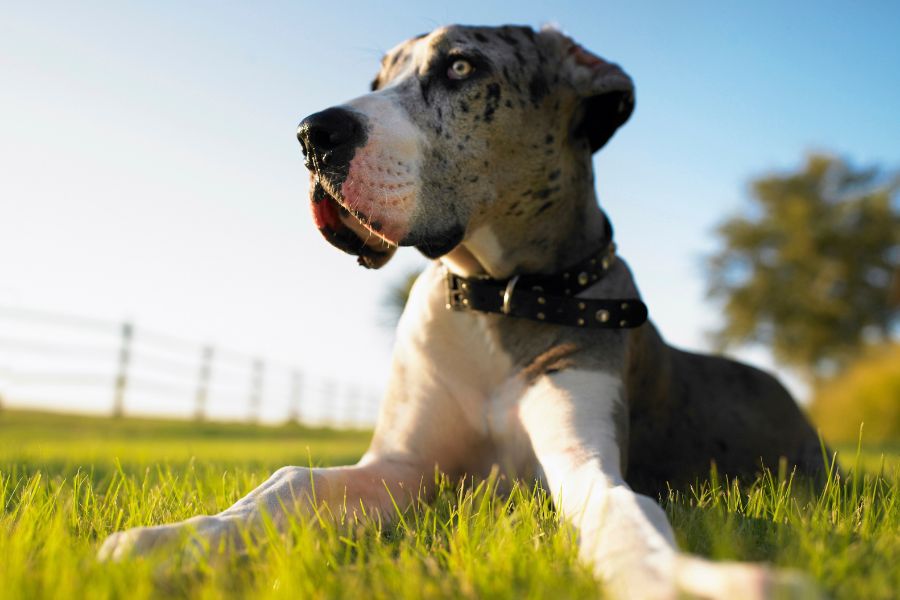
Great Danes are known for their towering height, gentle personality, and loyal companionship. Despite their impressive size, they are often called “gentle giants” because of their calm and affectionate nature. One question many pet owners ask is whether indoor or outdoor living has a real impact on the life expectancy of Great Dane dogs.
This blog explores how living environments influence a Great Dane’s health, safety, and overall lifespan. If you are raising or planning to adopt a Great Dane, understanding these factors will help you make informed decisions that support a longer, healthier life.
Understanding the Life Expectancy of Great Dane Dogs
The life expectancy of Great Dane dogs is generally shorter compared to smaller breeds. On average, Great Danes live between 7 to 10 years. While genetics play a major role, lifestyle factors such as diet, exercise, medical care, and living conditions also influence how long they live.
Because of their large size, Great Danes are more prone to certain health conditions, including:
- Bloat (gastric dilatation-volvulus)
- Heart disease (dilated cardiomyopathy)
- Joint issues like hip dysplasia
- Arthritis in later years
These risks make it even more important to create a safe and supportive environment—whether indoors or outdoors.
Indoor Living for Great Danes
1. Comfort and Climate Control
Indoor living offers a controlled environment that protects Great Danes from extreme temperatures. Their short coat provides limited insulation, making them sensitive to both heat and cold.
- In summer, indoor cooling prevents heatstroke
- In winter, warmth reduces the risk of joint stiffness and discomfort
This stable environment supports overall health and can positively influence the life expectancy of Great Dane dogs.
2. Safety and Injury Prevention
Indoor dogs are less exposed to hazards such as:
- Traffic accidents
- Animal attacks
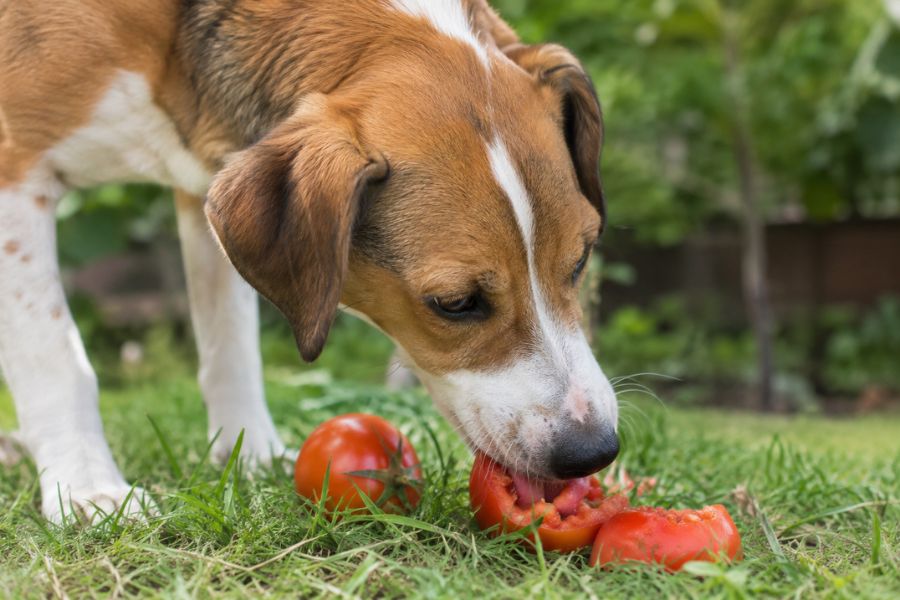
- Toxic plants or substances
Since Great Danes grow quickly and can be clumsy in their early years, a safe indoor space reduces the risk of injuries that could impact long-term health.
3. Stronger Human Bond
Great Danes thrive on companionship. They are highly social and often experience stress or anxiety when left alone for long periods.
Indoor living encourages:
- Daily interaction
- Emotional bonding
- Better behavioral development
A stable emotional state contributes to overall well-being and can indirectly support a longer lifespan.
Outdoor Living for Great Danes
Space for Movement
Outdoor living provides more room to roam, which can benefit physical health if managed properly. Regular movement helps:
- Maintain a healthy weight
- Support joint health
- Reduce boredom
However, unrestricted outdoor living without supervision can lead to overexertion or injury.
Exposure to Natural Elements
While fresh air and sunlight are beneficial, constant exposure to outdoor conditions comes with risks:
- Extreme weather can lead to dehydration or hypothermia
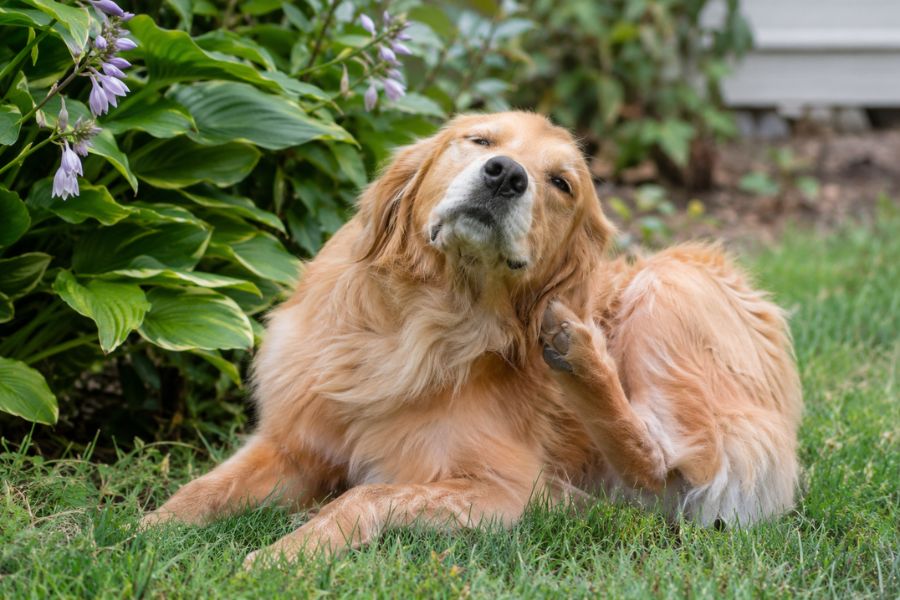
- Parasites such as ticks and fleas are more common outdoors
- Exposure to harmful bacteria or contaminated water
These factors can negatively impact the life expectancy of Great Dane dogs if not carefully managed.
Increased Health Risks
Outdoor dogs are more vulnerable to:
- Infectious diseases
- Injuries from rough terrain or other animals
- Delayed medical attention if symptoms go unnoticed
Routine veterinary care becomes even more critical for outdoor-living Great Danes.
Indoor vs Outdoor: Which Is Better?
A Balanced Perspective
The question is not simply whether indoor or outdoor living is better. The goal is to create a balanced lifestyle that combines the advantages of both.
Indoor living provides:
- Safety
- Comfort
- Emotional stability
Outdoor access provides:
- Exercise
- Mental stimulation
- Natural enrichment
The best approach is a primarily indoor lifestyle with supervised outdoor activity.
How Living Environment Impacts Lifespan
Physical Health
Indoor dogs tend to have fewer injuries and illnesses related to environmental exposure. This contributes to better long-term health outcomes.
Outdoor dogs may develop stronger muscles from increased activity, but they also face higher risks of accidents and infections.
Mental Well-Being
Great Danes are emotionally sensitive. Isolation or lack of interaction can lead to stress, which affects both mental and physical health.
Indoor living supports consistent companionship, which helps maintain a stable emotional state.
Preventive Care
Dogs living indoors are more likely to receive regular observation, making it easier to detect early signs of illness.
Early diagnosis and treatment play a key role in extending the life expectancy of Great Dane dogs.
Tips to Improve Your Great Dane’s Lifespan
1. Provide a Safe Indoor Environment
Ensure your home has enough space for your Great Dane to move comfortably. Use non-slip flooring to prevent joint strain.
2. Schedule Daily Outdoor Time
Take your dog outside for walks and supervised play. Avoid extreme weather conditions.
3. Maintain a Balanced Diet
Feed high-quality food designed for large breeds. Monitor portion sizes to prevent obesity.
4. Prioritize Regular Veterinary Care
Routine check-ups, vaccinations, and preventive screenings are essential. If your dog shows unusual symptoms, do not delay care—visit our website to learn more about when veterinary support is needed.
5. Watch for Signs of Bloat
Bloat is a serious condition in Great Danes. Feed smaller meals, avoid vigorous activity after eating, and consult your veterinarian about preventive options.
6. Support Joint Health
Use orthopedic bedding and consider supplements if recommended by your veterinarian.
Creating the Ideal Living Setup
The ideal setup for a Great Dane includes:
- A comfortable indoor resting area
- Access to a secure outdoor space
- Daily interaction with family members
- Structured exercise routines
This combination helps reduce stress, prevent injuries, and promote overall health.
Conclusion: Making the Best Choice for Your Great Dane
The life expectancy of Great Dane dogs is influenced by many factors, and the living environment plays a meaningful role. Indoor living offers safety, comfort, and companionship, while outdoor access provides exercise and enrichment. A thoughtful balance between the two creates the best conditions for a healthy and fulfilling life.
If you want your Great Dane to thrive, focus on creating a safe indoor space, offering regular outdoor activity, and staying proactive about their health. Small, consistent choices can make a lasting difference.
When it comes to your dog’s well-being, timely care matters. If you have concerns about your Great Dane’s health or lifestyle, book an appointment with a trusted veterinary provider to ensure they receive the care they need for a longer, healthier life.
FAQs About Great Dane Living and Lifespan
1. What is the average life expectancy of Great Dane dogs?
A: The average lifespan ranges from 7 to 10 years, depending on genetics, lifestyle, and medical care.
2. Do indoor Great Danes live longer?
A: Indoor Great Danes often live longer due to reduced exposure to hazards and better access to care.
3. Can Great Danes live outside full-time?
A: They can, but it is not recommended. Their short coat and social nature make indoor living more suitable.
4. How much exercise does a Great Dane need?
A: They need moderate daily exercise, such as walks and light play. Overexertion should be avoided, especially in young dogs.
5. Does climate affect Great Dane lifespan?
A: Yes. Extreme heat or cold can negatively impact health, making climate-controlled environments important.
6. How can I extend my Great Dane’s lifespan?
A: Provide balanced nutrition, regular veterinary care, safe living conditions, and consistent emotional support.