1925 Union Valley Road, Hewitt, NJ 07421


A Step-by-Step Guide to Treating Cruciate Ligament Rupture in Dogs
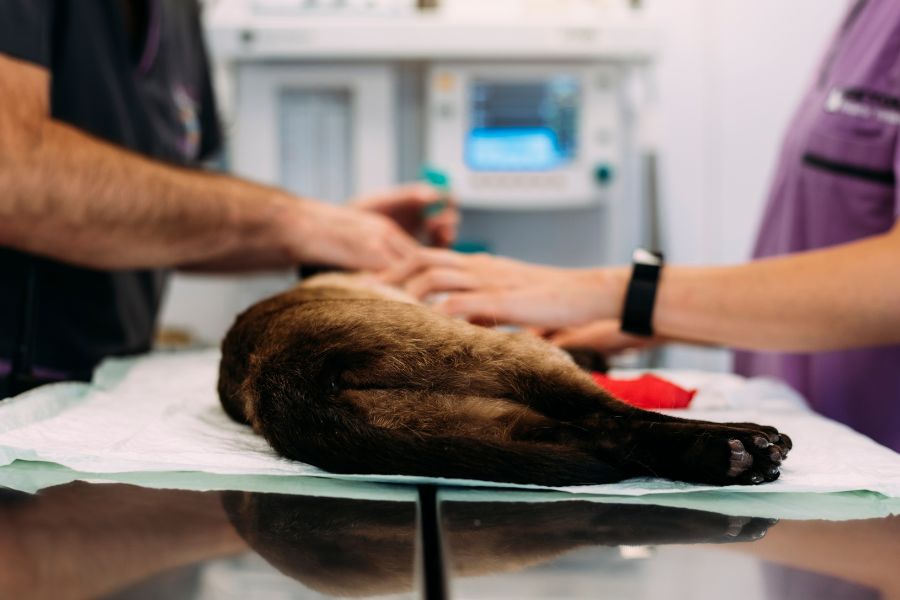
Cruciate Ligament Rupture affects thousands of dogs each year and often appears without warning. This guide explains signs, diagnosis, treatment paths, home care, recovery timelines, and long-term prevention, so you understand every stage of care.
You will learn when rest is enough, when pet surgery becomes the best option, what recovery looks like, and how to support your dog afterward. Clear steps help families make confident choices, from first limp to full mobility, with practical advice you can use today in Hewitt, NJ.
Understanding the Injury
Inside every dog’s knee sits a strong band that keeps the joint stable. When that band stretches or tears, the leg loses support. Dogs begin favoring one side, slowing on walks, or avoiding stairs. Some show swelling, stiffness after naps, or pain during play.
Small dogs and large dogs both face risk, though active breeds and overweight pets see it more often. Early attention limits discomfort and protects nearby joints from extra strain for long-term joint health today.
Step 1: Spotting Early Signs at Home
Owners notice subtle changes before dramatic limping appears. Watch for reduced jumping, sitting with one leg out, or shorter strides. Touching the knee may cause discomfort. Track these details and share them during your visit. Photos or short videos help show how your dog moves on normal days.
Step 2: Getting a Clear Diagnosis
Your care team starts with a hands-on exam, gentle movement of the knee, and a review of recent activity. Simple imaging confirms the problem and rules out fractures. Bloodwork checks overall health before treatment planning. These steps create a safe roadmap, especially if pet surgery is being considered.
Step 3: Choosing the Right Treatment Plan
Not every dog needs the same approach. Small, calm pets with partial tears may improve with rest, weight control, pain relief, and structured rehab. Larger or highly active dogs often regain strength faster with repair. A transparent plan outlines cost ranges, recovery time, and expected results, so families know what lies ahead.
Step 4: When Surgery Makes Sense
Complete tears rarely heal on their own. In these cases, surgical repair restores stability and comfort. Several methods exist, all aiming to realign forces in the knee. Your provider explains which option fits your dog’s size, lifestyle, and budget. During this phase, many owners ask about Cruciate Ligament Rupture outcomes, timelines, and long-term mobility.
Step 5: Preparing Your Dog for the Procedure
Preparation reduces stress. Feed a balanced diet, manage weight, and follow fasting instructions. Arrange a quiet recovery space with rugs for traction. Pick up prescribed medications in advance. Bring a favorite blanket on surgery day. These small actions support smoother care and faster healing.
Step 6: Recovery and Home Support
The first two weeks focus on rest, short leash walks, and incision care. Swelling fades as comfort improves. Guided exercises rebuild muscle and range of motion. Consistency matters more than intensity. Avoid running and jumping until cleared. Many dogs return to joyful walks within months when families follow the plan.
Step 7: Preventing Future Injury
Strong muscles protect joints. Keep your dog lean, provide regular low-impact activity, and use ramps for couches or cars. Nail trims improve footing. Annual checkups catch early changes. These habits lower the chance of repeat injury in the repaired knee or the opposite leg.
A Clear Path Forward
Facing a knee injury feels overwhelming. Each step brings relief closer. Recognizing pain and choosing care, families deserve honest guidance and compassionate support. Early action, thoughtful planning, and steady rehab, dogs regain confidence and comfort. Cruciate Ligament Rupture no longer means a lifetime of limits. Today’s approaches, including pet surgery when needed, restore stability and help pets return to the activities they love.
Daily routines, safe flooring, massage, and encouragement all play a role. Short leash walks build trust. Treats reward progress. Keep notes, share updates, and stay patient. Small improvements add up, creating momentum that carries your dog forward.
Final Thoughts:
Caring for a dog with a knee injury takes focus. Every recovery looks different, though consistent home routines and open communication make progress visible. Ask questions, track changes, and celebrate small wins along the way.
Your commitment shapes long-term comfort and mobility. We are conveniently serving in Hewitt, NJ, and welcome you to our location: 1925 Union Valley Rd, Hewitt, NJ 07421 — where compassionate care and community come together for your pet’s well-being. Schedule an appointment with Greenwood Lake Animal Hospital.
Frequently Asked Questions(FAQs):
1. How long does recovery usually take?
A: Most dogs walk comfortably within weeks, then build strength over two to three months. Full return to play often happens by four to six months, depending on size, age, and commitment to home exercises.
2. Will my dog need surgery right away?
A: Not always. Partial tears in smaller or calmer dogs may respond to rest, rehab, and weight control. Complete tears and active pets often benefit from repair. Your provider reviews options and timing based on your dog’s needs.
3. Is the procedure safe?
A: Modern techniques and careful screening make treatment very safe for healthy dogs. Pre-procedure testing checks organs and circulation. Pain control plans keep pets comfortable. Complications remain uncommon when aftercare instructions are followed closely.
4. What costs should I expect?
A: Pricing varies by size, technique, and recovery needs. Estimates include imaging, anesthesia, repair, medications, and follow-up visits. Ask for a written plan that lists services, so there are no surprises during care.
5. Can my dog live a normal life afterward?
A: Yes. Most dogs return to walks, play, and family activities. Ongoing fitness and weight management protect results. Many pets enjoy years of comfortable movement after proper treatment and home support.