1925 Union Valley Road, Hewitt, NJ 07421


What Diseases Do Core Dog Vaccines Prevent?
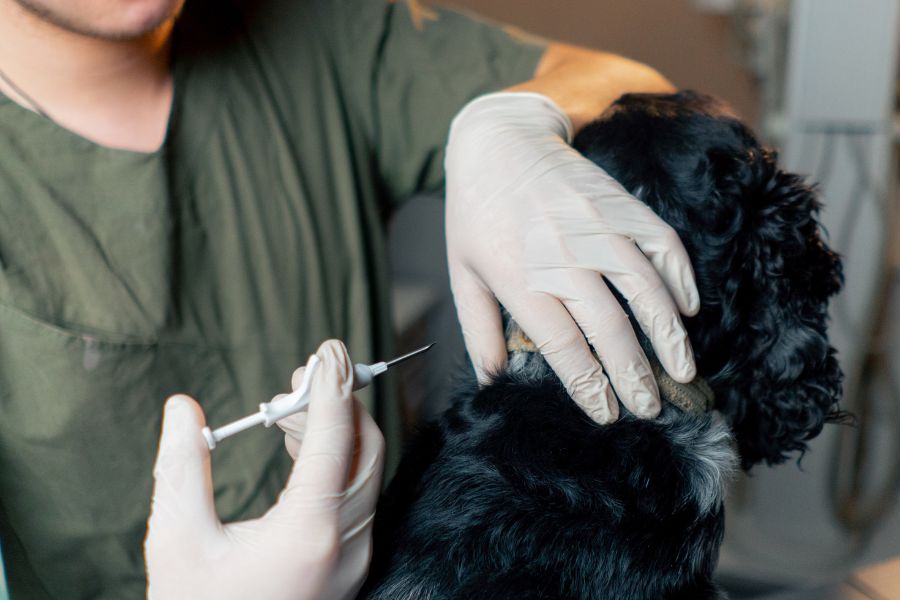
When you bring a dog into your home, you take on the role of protector. You choose their food, plan their walks, and make decisions about their health. One of the most important steps you can take is keeping up with core vaccines for dogs.
But what do these vaccines actually prevent? And why are they called “core”?
In this guide, we’ll break it down in simple terms. You’ll learn what diseases core vaccines for dogs protect against, how these illnesses spread, and why timely vaccination plays a major role in your dog’s long-term health.
What Are Core Vaccines for Dogs?
Core vaccines for dogs are immunizations recommended for every dog, regardless of breed, size, or lifestyle. Veterinary experts consider them essential because they protect against diseases that are:
- Severe or life-threatening
- Highly contagious
- Widely present in the environment
- Transmissible to humans in some cases
These vaccines are part of a standard preventive plan across the United States. Whether your dog lives in a city apartment or a rural farm setting, these protections are necessary.
The Diseases Core Dog Vaccines Prevent
Let’s take a closer look at each disease covered by core vaccines for dogs.
1. Rabies
A. What Is Rabies?
Rabies is a viral disease that attacks the brain and nervous system. It affects mammals, including dogs, cats, wildlife, and humans.
Rabies is almost always fatal once symptoms appear.
B. How Does It Spread?
The virus spreads through the bite of an infected animal. In the U.S., common carriers include raccoons, bats, foxes, and skunks.
C. Why Rabies Vaccination Is Critical
- It protects your dog from a fatal disease
- It protects you and your family
- It is required by law in most states
Rabies vaccination is one of the most important core vaccines for dogs because it safeguards both animal and public health.
2. Canine Distemper
A. What Is Canine Distemper?
Canine distemper is a highly contagious viral disease that affects a dog’s respiratory, gastrointestinal, and nervous systems.
It can cause:
- Fever
- Nasal discharge
- Coughing
- Vomiting and diarrhea
- Seizures
- Paralysis
Many dogs do not survive severe distemper infections.
B. How Does It Spread?
The virus spreads through airborne droplets, direct contact, or shared food and water bowls. It can also survive in the environment for a short time.
C. Why It’s Considered Core
Distemper is widespread and very dangerous. Puppies are at the highest risk, but unvaccinated adult dogs can also become infected. Core vaccines for dogs include protection against distemper because prevention is far more effective than treatment.
3. Canine Parvovirus (Parvo)
A. What Is Parvo?
Canine parvovirus is a serious viral infection that attacks the intestines and immune system. It is one of the most feared diseases in puppies.
Symptoms include:
- Severe vomiting
- Bloody diarrhea
- Dehydration
- Lethargy
- Rapid weight loss
Without aggressive treatment, parvo can be fatal.
B. How Does It Spread?
Parvo spreads through contact with infected feces. The virus is extremely hardy and can live in soil and on surfaces for months.
Dogs do not have to directly interact with an infected dog to get sick. Walking in contaminated areas can be enough.
C. Why Vaccination Matters
Because parvo spreads easily and survives in the environment, core vaccines for dogs are essential. Vaccination has dramatically reduced parvo cases, but outbreaks still happen in unvaccinated populations.
4. Canine Adenovirus (Hepatitis)
A. What Is Canine Adenovirus?
Canine adenovirus type 1 causes infectious canine hepatitis. This disease affects the liver, kidneys, spleen, and lungs.
Symptoms may include:
- Fever
- Abdominal pain
- Vomiting
- Jaundice
- Swelling
- Bleeding disorders
Severe cases can lead to death.
B. How Does It Spread?
The virus spreads through the urine, feces, and saliva of infected dogs. It can persist in the environment for weeks.
C. Why It’s Included in Core Vaccines for Dogs
Even though hepatitis is less common today, vaccination prevents outbreaks. Most vaccines use a related virus (adenovirus type 2) to provide safe and effective protection.
Why Combination Vaccines Are Common
You may hear your veterinarian refer to a “DHPP” or “DA2PP” vaccine. This combination typically protects against:
- Distemper
- Adenovirus (hepatitis)
- Parvovirus
- Parainfluenza (often included but sometimes considered non-core depending on risk)
These combination shots make it easier to keep dogs protected with fewer injections while covering major threats.
How Core Vaccines for Dogs Work
Vaccines train your dog’s immune system to recognize and fight off specific viruses.
They do this by introducing a safe, weakened, or inactive form of the virus. The immune system builds memory cells that respond quickly if the real virus appears.
This means:
- Faster immune response
- Reduced severity of illness
- Lower chance of death
- Decreased spread in the community
Vaccination helps create herd protection, lowering disease rates across neighborhoods and dog populations.
When Should Dogs Receive Core Vaccines?
Puppy Series
Puppies typically begin their core vaccines for dogs around 6–8 weeks of age. Boosters are given every 3–4 weeks until about 16 weeks of age.
This schedule is important because maternal antibodies from the mother can interfere with early vaccines. Multiple doses help ensure strong protection.
Adult Dogs
Adult dogs receive booster vaccines based on veterinary guidance, often every 1–3 years, depending on the vaccine and state regulations.
Rabies boosters follow legal requirements in your state.
Are Core Vaccines Safe?
Core vaccines for dogs are tested for safety and effectiveness before approval. Most dogs tolerate them well.
Common mild reactions include:
- Soreness at the injection site
- Low-grade fever
- Temporary tiredness
Serious reactions are rare. When they occur, they typically happen within hours of vaccination and require immediate veterinary attention.
Discuss your dog’s health history with your veterinarian to tailor the safest plan.
What Happens If a Dog Isn’t Vaccinated?
Skipping core vaccines for dogs increases the risk of:
- Severe illness
- Expensive emergency treatment
- Long-term organ damage
- Transmission to other dogs
- Legal issues in the case of rabies
Some boarding facilities, grooming salons, and dog parks require proof of vaccination for entry.
Prevention costs far less than treatment, both financially and emotionally.
How Vaccination Fits Into Preventive Health
Vaccines are one part of a complete wellness plan. Regular exams, parasite control, nutrition, dental care, and routine testing all contribute to a healthy life.
If you want a deeper understanding of how immunizations fit into overall pet vaccination care, talk with your veterinarian about building a customized schedule based on your dog’s age and risk factors.
A Clear Approach to Making the Right Choice
It helps to ask direct questions during your dog’s visit:
- What core vaccines does my dog need right now?
- When are boosters due?
- Are there risk factors in my area?
- What side effects should I watch for?
An open discussion leads to informed decisions. Vaccination is not about overdoing care. It is about protecting against known and preventable threats.
Conclusion: Protecting Your Dog Starts With Prevention
Core vaccines for dogs prevent rabies, distemper, parvovirus, and adenovirus. These diseases are serious, contagious, and often deadly. Vaccination has reduced suffering and saved millions of canine lives.
Choosing to vaccinate is a proactive step. It protects your dog, your community, and your peace of mind.
If your dog is due for vaccines or you are unsure about their current status, now is the time to review their records and schedule a consultation with Greenwood Lake Animal Hospital. A clear, updated vaccination plan gives your dog the best chance at a long and healthy life.
Frequently Asked Questions(FAQs):
1. What are the core vaccines for dogs?
Core vaccines for dogs include rabies, distemper, parvovirus, and adenovirus (hepatitis). These are recommended for all dogs in the United States.
2. At what age should puppies start core vaccines?
Puppies usually begin their core vaccines for dogs at 6–8 weeks of age, followed by boosters every 3–4 weeks until around 16 weeks old.
3. How often do adult dogs need booster shots?
Booster schedules vary. Many core vaccines for dogs are given every 1–3 years after the initial series. Rabies timing depends on state law.
4. Can an indoor dog skip core vaccines?
No. Even indoor dogs can be exposed to viruses through contaminated surfaces, visitors, or unexpected wildlife contact.
5. Are there risks to vaccinating older dogs?
Vaccination is generally safe for senior dogs. Your veterinarian may adjust the schedule based on health status.
6. What happens if my dog misses a booster?
If a booster is overdue, your veterinarian may recommend restarting or updating the schedule. The exact plan depends on timing and vaccine type.