1925 Union Valley Road, Hewitt, NJ 07421


Allergy-Friendly Cat Breeds You’ll Actually Want to Own
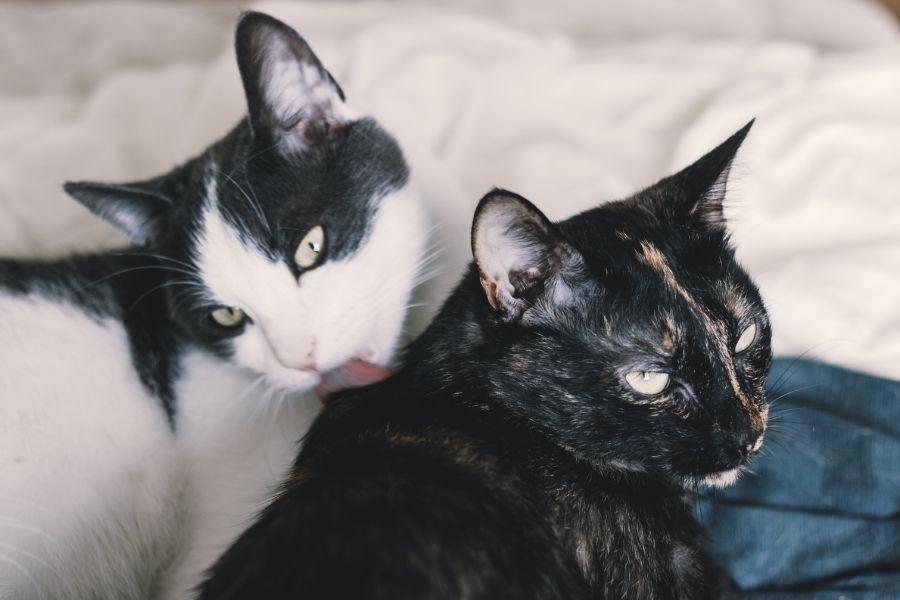
Bringing a cat into your home when you have allergies can feel like a compromise, but it does not have to be. Some cats naturally produce fewer allergens, making them easier to live with while still offering companionship, personality, and charm.
This guide explores popular options, what makes them different, and how you can enjoy life with a cat more comfortably. If you live near Hewitt, finding the right breed and proper care approach can make a noticeable difference in your daily comfort and your pet’s happiness.
What Makes a Cat Allergy-Friendly?
No cat is completely hypoallergenic. Allergies are triggered by a protein found in a cat’s saliva, skin, and dander. Some breeds produce less of this protein or shed less, which reduces how much of it spreads around your home.
Lower shedding, finer coats, and certain grooming habits all contribute to making some cats easier to tolerate. Regular cleaning routines and good ventilation also play an important role in managing symptoms.
Top Allergy-Friendly Cat Breeds to Consider
1. Siberian
Despite their thick, luxurious coats, Siberians are often surprisingly suitable for allergy sufferers. They tend to produce lower levels of the protein responsible for reactions.
They are affectionate, playful, and adapt well to families. Their calm temperament makes them easy to live with, even in smaller homes or apartments.
2. Balinese
Often called the “long-haired Siamese,” the Balinese cat has a silky coat that sheds less than expected. They are known for producing fewer allergens compared to many other breeds.
Balinese cats are vocal, intelligent, and enjoy interaction. They thrive in homes where they receive attention and mental stimulation.
3. Bengal
Bengals stand out for their striking, wild appearance and short, dense coat. Their fur requires less maintenance and does not trap as much dander.
They are energetic and curious, making them ideal for active households. Regular play helps keep them content and reduces stress-related shedding.
4. Russian Blue
The Russian Blue has a plush, short coat that sheds minimally. They are known for being clean cats, which can help limit allergen spread.
They are gentle and somewhat reserved, forming strong bonds with their owners. Their predictable grooming habits make them easier to manage for allergy-sensitive households.
5. Devon Rex
With their soft, curly coats and minimal shedding, Devon Rex cats are often recommended for people with mild allergies. Their unique fur structure helps reduce loose hair around the home.
They are playful, mischievous, and enjoy being the center of attention. Their compact size and affectionate nature make them excellent indoor companions.
6. Sphynx
The Sphynx is well-known for being hairless, though they still produce allergens. Without fur, allergens are less likely to spread through shedding, but regular bathing is essential.
They are highly social and love human interaction. Their need for grooming is different but manageable with a consistent routine.
Living Comfortably With Your Cat
Choosing the right breed is only one part of the solution. Daily habits and home adjustments can greatly improve comfort levels.
Frequent vacuuming using HEPA filters helps remove dander from carpets and furniture. Washing bedding and pet blankets regularly keeps allergen buildup under control.
Air purifiers can improve indoor air quality, especially in smaller living spaces. Creating pet-free zones, such as bedrooms, gives your body a break from constant exposure.
Grooming your cat regularly reduces loose hair and dander. If possible, someone without allergies should handle brushing and bathing.
Finding the Right Fit for Your Lifestyle
Each cat has its own personality, energy level, and care needs. Some breeds require more attention, while others are more independent.
Families with children may prefer playful and social breeds like Bengals or Siberians. Individuals who want a quieter companion might find the Russian Blue a better match.
Before bringing a cat home, spend time interacting with the breed. This helps you understand how your body reacts and whether the cat’s temperament suits your lifestyle.
Local Considerations for Pet Owners
In areas with seasonal humidity changes, allergens can linger longer indoors. Proper ventilation and consistent cleaning routines are especially important.
If you’re considering adopting or buying a cat, local shelters and breeders can provide guidance on breeds that suit your environment. Spending time with cats before committing can help you make a confident decision.
If you’re located in Hewitt and looking for trusted veterinary care near you, then schedule an appointment with Greenwood Lake Animal Hospital to learn more about maintaining your pet’s comfort and health. Visiting their homepage can also give you a better understanding of available services and support for new pet owners.
Conclusion
Living with cats while managing allergies is possible with the right knowledge and preparation. Choosing suitable breeds, maintaining a clean environment, and understanding your own sensitivity levels all contribute to a better experience. With thoughtful planning, allergy-friendly cat breeds can become a joyful part of your home without constant discomfort.
We are conveniently located in Hewitt, NJ. Reach out to our facility at 1925 Union Valley Rd, Hewitt, NJ 07421 – where compassionate care and community come together for your pet’s well-being.
Frequently Asked Questions(FAQs):
1. Are allergy-friendly cats completely safe for allergy sufferers?
A: No cat is completely free of allergens. These breeds simply produce fewer allergens or shed less, which can reduce symptoms. Individual reactions vary, so spending time with a cat before adoption is important.
2. How can I reduce allergens at home with a cat?
A: Regular cleaning, vacuuming with HEPA filters, and washing fabrics help minimize allergens. Grooming your cat and maintaining good ventilation also improves indoor air quality and reduces discomfort.
3. Do hairless cats like Sphynx eliminate allergies?
A: Hairless cats still produce allergens through their skin and saliva. They may reduce airborne allergens but require regular bathing to prevent buildup on their skin and surfaces.
4. Is grooming important for allergy control?
A: Yes, consistent grooming reduces loose hair and dander. Brushing and occasional bathing help keep allergen levels lower, especially when done routinely and carefully.
5. Are certain cat personalities better for allergy sufferers?
A: Calmer cats may shed less due to reduced stress. However, allergen production is more related to biology than behavior, so personality should complement lifestyle rather than determine allergy impact.
6. Should I consult a professional before adopting a cat?
A: Speaking with a pet care professional can help you choose a suitable breed and prepare your home. They can guide you on managing allergies and maintaining a healthy environment for both you and your pet.