1925 Union Valley Road, Hewitt, NJ 07421


Microchipping Your Pet: Why It’s the Most Important Step You Can Take If They Ever Get Lost
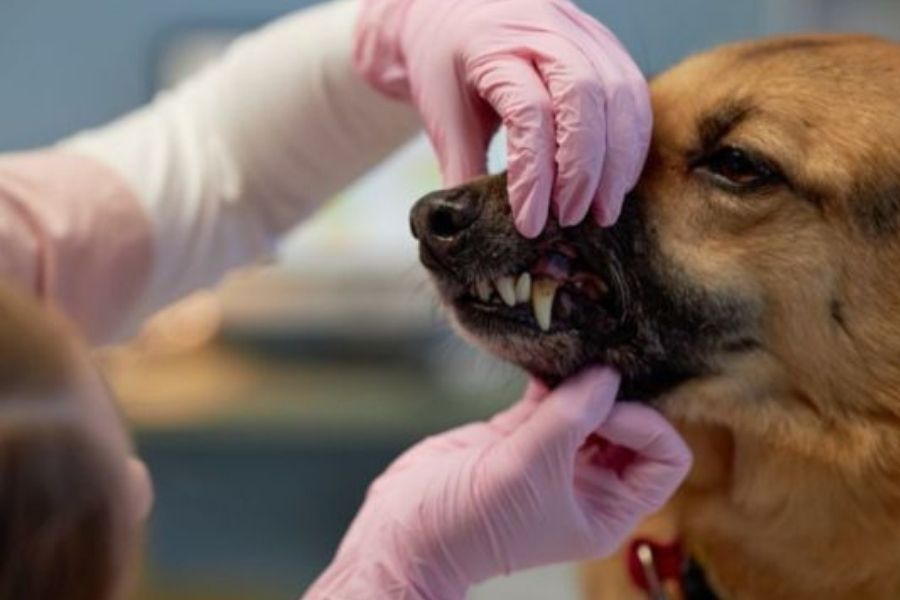
Every pet owner worries about a missing dog or cat. Open gates, loud noises, and accidents can separate pets from their families. Microchipping gives pets permanent identification that stays with them for life. Unlike collars and tags, a microchip cannot fall off. This procedure improves the chances of returning lost pets home safely while offering peace of mind for families.
This guide explains how microchips work, why they matter, and how owners can keep registration details accurate for stronger protection in Hewitt today.
What Is a Pet Microchip?
A pet microchip is a tiny electronic device placed under the skin, usually between the shoulder blades. Each chip contains a unique identification number connected to the owner’s contact information in a secure database. Shelters and clinics use scanners to read the chip.
The procedure takes only a few moments and feels similar to a routine injection. No surgery or recovery period is needed.
Many owners believe collars provide enough protection. Collars can break or slip off outdoors. A microchip remains with the pet at all times, creating dependable identification.
Why Microchipping Matters
Thousands of pets enter shelters every year without identification. Many families never reunite with missing animals because contact details are unavailable. Microchipping increases the chances of a successful reunion by giving shelters access to ownership information.
Indoor pets also benefit from permanent identification. Cats can slip through open doors. Dogs may escape during storms or fireworks.
Pets traveling with families face risks. Busy parking lots, rest stops, and hotel areas create unfamiliar surroundings. Microchipping provides extra protection when pets spend time away from home.
Reliable identification also reduces the emotional strain of searching for a lost companion.
How the Process Works
The placement process is straightforward and safe. A trained professional inserts the chip beneath the skin using a sterile applicator. Sedation is rarely necessary because the discomfort is brief.
After placement, the microchip must be registered with the current contact details. Registration remains one of the most important steps. A chip without updated information limits the ability to reconnect pets with owners.
Owners should review registration details every year. Phone numbers, addresses, and emergency contacts may change over time.
Many families searching for dependable identification choose services focused on pet microchipping because long-term safety depends on reliable registration and accurate records.
Common Myths About Microchips
Some owners worry microchips contain GPS tracking systems. Standard microchips do not track a pet’s location. They only store identification numbers connected to registration databases.
Another misconception involves safety concerns. Microchips are designed for animals and have been used safely for many years.
Some people believe indoor pets do not need permanent identification. Unexpected situations happen quickly. Maintenance workers or damaged window screens can create escape opportunities without warning.
Cost concerns also prevent some owners from scheduling placement. Microchipping is often affordable compared with the emotional stress linked to prolonged searches for missing pets.
Supporting Recovery Efforts
Microchips work best when combined with safety habits. Current ID tags, secure fencing, and leash control remain important.
Owners should act quickly if a pet disappears. Contact local shelters, notify nearby neighborhoods, and update lost pet listings immediately. Inform the microchip registry about the missing pet so shelters can receive alerts during scanning.
Families can also create emergency plans before problems occur. Keeping recent photographs and registration details accessible saves time during stressful situations.
At Greenwood Lake Animal Hospital, we support families through compassionate identification services designed to improve safety and recovery outcomes. Schedule an appointment to learn how permanent identification can strengthen your pet’s security.
Conclusion
Microchipping offers one of the simplest ways to protect pets from permanent separation. The procedure is quick, safe, and dependable. Responsible ownership includes planning for emergencies before they happen. Accurate registration and updated contact details support better recovery outcomes for missing pets. If you are located in Hewitt, connect with our team at Greenwood Lake Animal Hospital, where compassionate care and community support come together for your pet’s long-term well-being.
Frequently Asked Questions(FAQs):
1. Does microchipping hurt pets?
A: Most pets react the same way they would during a standard vaccination. The procedure lasts only a few seconds. Mild sensitivity may appear briefly afterward, though most animals resume normal behavior almost immediately without restrictions or lengthy recovery periods.
2. Can a microchip stop working over time?
A: Microchips are designed to last for many years without replacement. Routine scanning during wellness visits confirms the chip remains readable. Keeping registration details current remains equally important because outdated contact information can delay reunions after a pet becomes lost.
3. Can shelters scan any microchip brand?
A: Most shelters and animal care facilities use universal scanners compatible with major microchip brands. Scanning displays the identification number linked to the registration database, allowing staff members to contact owners using stored emergency information and updated records.
4. Should older pets receive microchips?
A: Older pets benefit from permanent identification just as younger animals do. Age does not reduce the risk of wandering or separation. Senior pets experiencing confusion or hearing loss may actually face greater risks if they accidentally leave familiar surroundings.
5. Can microchips replace collars and ID tags?
A: Microchips provide permanent identification, though collars and tags remain valuable for immediate visibility. Combining both methods creates stronger protection because nearby people can read tags instantly, while shelters and clinics can confirm ownership through microchip scanning systems.
6. What happens after a lost pet is scanned?
A: Once a scanner detects the chip number, staff members access the registration database connected to that number. They contact the owner using stored phone numbers or emergency contacts, helping reunite pets with families as quickly as possible.