1925 Union Valley Road, Hewitt, NJ 07421


Common Health Issues in American English Coonhounds

The American English Coonhound is known for stamina, focus, and a friendly nature. This breed thrives with active families and clear routines. Like all dogs, it has health risks that owners should understand early.
Clear knowledge supports better choices and calmer care. This guide explains the most common concerns, what causes them, and how attentive owners can respond with confidence and care.
Understanding the Breed’s Health Profile
Bred for endurance and scent work, this dog has a strong heart and lungs. Long ears, a deep chest, and lean muscles support long hunts. These same traits influence health. Active dogs face joint stress. Drooping ears trap moisture. A curious nose increases exposure to allergens. Knowing how structure affects health helps owners spot changes before problems grow.
Hip Dysplasia and Joint Strain
Hip dysplasia appears in many medium to large breeds. It develops when the hip joint forms poorly, leading to wear, pain, and reduced movement. In working dogs, repeated impact can worsen symptoms.
Early signs include stiffness after rest, reluctance to jump, and uneven gait. Weight control and steady exercise reduce stress on joints. Routine exams allow early management, which preserves comfort over time.
Ear Infections and Ongoing Care
Long, floppy ears limit airflow. Moisture and debris stay trapped, creating a setting for yeast and bacteria. Ear infections cause head shaking, odor, redness, and tenderness. Regular checks after outdoor activity help. Gentle cleaning with vet-approved solutions keeps canals dry.
Addressing irritation early prevents chronic pain and hearing loss. Consistent care becomes part of healthy routines.
Eye Conditions to Monitor
Some hounds develop eye issues like progressive retinal atrophy or cataracts with age. These conditions reduce vision gradually. Owners may notice hesitation in dim light or bumping into objects.
Annual eye exams support early detection. Protecting eyes from injury during brush runs also matters. Vision loss can be managed with calm guidance and a stable home layout.
Bloat and Digestive Sensitivity
Deep-chested dogs face the risk of gastric dilation volvulus, often called bloat. This emergency occurs when the stomach fills with gas and twists. Signs include restlessness, drooling, and a swollen abdomen. Feeding smaller meals and limiting heavy activity after eating lowers risk.
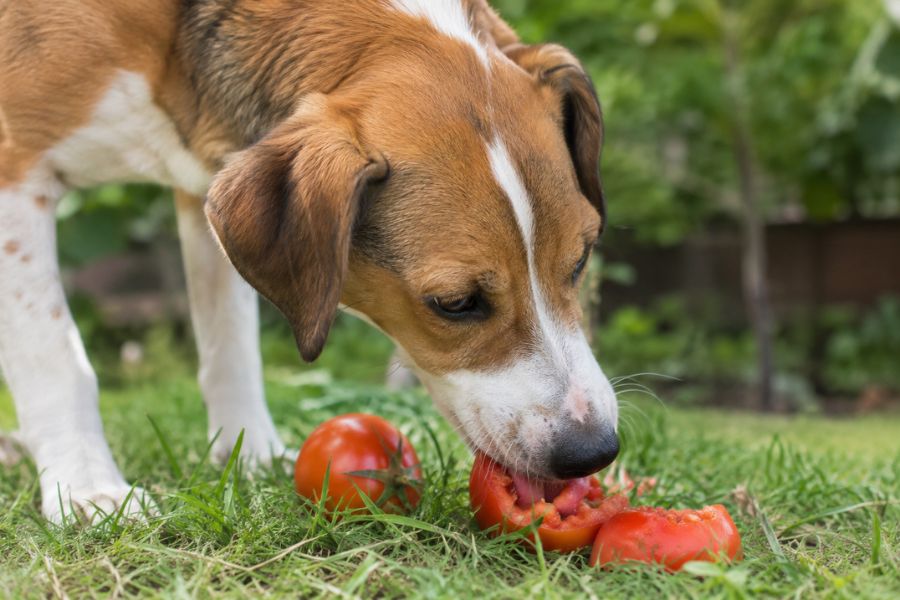
Some dogs also show food sensitivities, leading to loose stools or itching. Simple diets and measured portions help digestive balance.
Skin Allergies and Parasites
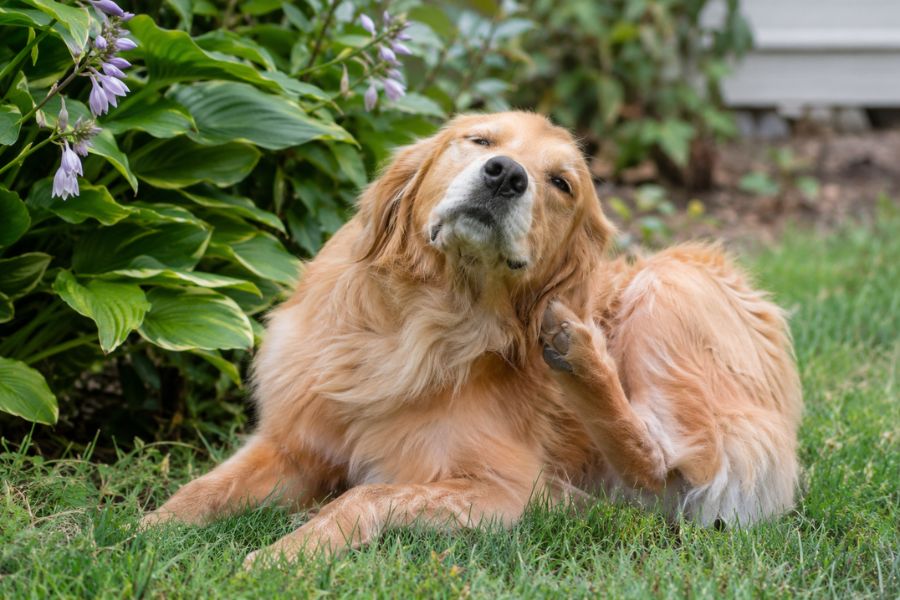
Outdoor dogs meet pollen, insects, and grasses daily. Skin allergies appear as itching, redness, and hair loss. Fleas and ticks add irritation and spread disease. Regular prevention plans protect skin health. Bathing after heavy exposure removes allergens.
Persistent itching needs veterinary review to rule out infections or dietary reactions. Clear skin supports comfort and better rest.
Heart Health and Fitness Balance
The athletic build supports strong circulation, yet heart conditions can still occur. Regular fitness keeps muscles toned and weight steady. Overexertion without rest strains the system. Balanced exercise, hydration, and routine checkups support heart health.
Owners should watch for coughing, fatigue, or reduced stamina. Early evaluation makes treatment more effective.
Preventive Care and Owner Awareness
Preventive care shapes outcomes more than treatment alone. Vaccinations, parasite control, dental care, and annual exams create a safety net. Tracking changes in appetite, mood, and movement gives valuable clues. The American English Coonhound benefits from owners who notice small shifts. Clear records and open communication with a veterinarian build trust and better decisions.
Living Well With an Active Hound
A healthy life blends activity with structure. Mental stimulation matters as much as physical work. Puzzle toys, scent games, and calm training reduce stress. Rest days prevent injury. Consistent routines support digestion and behavior. When owners plan thoughtfully, common health issues stay manageable, not overwhelming.
Understanding common health issues empowers owners to act with clarity. Steady care, observation, and informed choices support a strong bond and long life. Guidance from a trusted Hewitt veterinarian and routine evaluations at Greenwood Lake Animal Hospital help owners stay prepared. With awareness and balance, the American English Coonhound can enjoy active years and comfortable aging.
Frequently Asked Questions(FAQs):
1. How long do American English Coonhounds usually live?
A: Most live eleven to twelve years with proper care. Diet quality, exercise balance, genetics, and regular veterinary visits influence lifespan and overall comfort throughout adulthood and senior years.
2. Are ear infections preventable in this breed?
A: Yes, regular ear checks and gentle cleaning reduce infection risk. Dry ears after swimming, avoid harsh products, and schedule exams if redness, odor, or head shaking appear.
3. What exercise level is best for joint health?
A: Daily moderate exercise works best. Long walks, controlled runs, and play sessions maintain muscle without excessive impact. Avoid sudden, intense activity, especially during growth stages.
4. Does this breed need a special diet?
A: No single diet fits all. High-quality protein, balanced nutrients, and measured portions suit most dogs. Some need limited-ingredient diets if sensitivities or digestive issues arise.
5. How can owners spot early signs of bloat?
A: Watch for pacing, drooling, abdominal swelling, and failed attempts to vomit. These signs require immediate veterinary care, as bloat progresses quickly and becomes life-threatening.
6. Are eye problems common as they age?
A: Some dogs develop age-related eye changes. Regular eye exams help catch issues early. Maintaining safe surroundings and consistent routines helps dogs adjust if vision declines.