1925 Union Valley Road, Hewitt, NJ 07421


Understanding Canine Neoplasia: Causes, Types, and Risk Factors
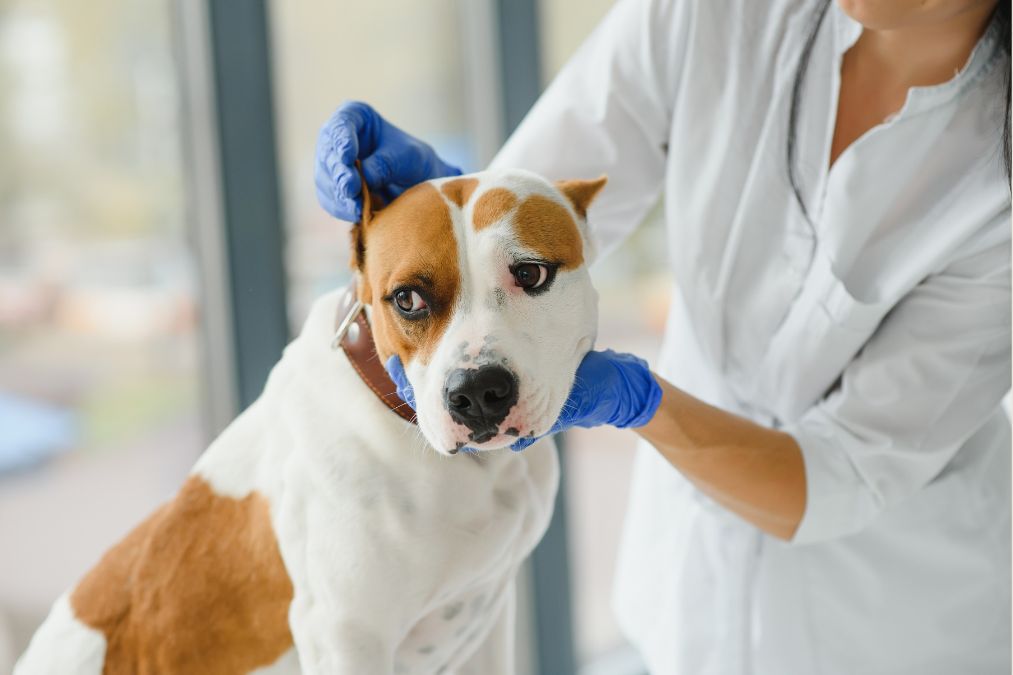
Dogs share our homes, routines, and emotions, which makes their health a personal matter. When pet owners hear the word cancer, fear often follows. Understanding Canine Neoplasia helps replace fear with knowledge and practical awareness.
Neoplasia refers to abnormal cell growth that forms a mass or tumor. In dogs, these growths can be benign or malignant. While Neoplasia in dogs is common, especially in older pets, early recognition and informed decisions improve outcomes and quality of life.
This guide explains what canine neoplasia is, why it occurs, the most common types, and which dogs face a higher risk. Clear information supports calm, confident care choices.
What Is Canine Neoplasia?
Canine neoplasia describes uncontrolled cell growth caused by genetic changes within the body. These altered cells divide without normal limits and may invade nearby tissues or spread to other organs.
Not all tumors are cancer. Benign tumors grow slowly and stay localized. Malignant tumors grow faster and may spread through the blood or lymphatic systems. Neoplasia in dogs includes both forms, which is why diagnosis matters before treatment decisions.
Veterinarians identify neoplasia through exams, imaging, and laboratory testing. Early detection often allows for simpler management and better comfort.
Why Neoplasia Develops in Dogs
Cancer does not have one single cause. It results from a mix of genetic tendencies and environmental exposures over time. Cells naturally age, and errors can occur during division.
Some dogs inherit genes that make them more prone to abnormal growth. Others develop neoplasia due to repeated inflammation, hormone influence, or weakened immune response.
Environmental factors also play a role. Exposure to tobacco smoke, certain chemicals, excessive sun, or chronic infections increases cellular stress. Over time, this stress can lead to Canine Neoplasia developing silently.
Common Types of Neoplasia in Dogs
Understanding tumor types helps owners recognize warning signs earlier.
Skin and Subcutaneous Tumors
These are among the most frequently diagnosed. Lumps under or on the skin may be benign lipomas or malignant mast cell tumors. Size, texture, and growth speed provide clues, but testing is essential.
Mammary Gland Tumors
Unspayed female dogs face a higher risk. These tumors can be benign or malignant and often appear as firm nodules along the mammary chain. Early spaying lowers risk significantly.
Lymphoma
Lymphoma affects lymph nodes and organs like the spleen and liver. Dogs may show swollen nodes, fatigue, or appetite loss. Neoplasia in dogs often presents this way in middle-aged breeds.
Bone Tumors
Osteosarcoma is aggressive and painful. It commonly affects large breeds and long bones. Lameness that does not improve requires immediate evaluation.
Internal Organ Tumors
Tumors of the liver, spleen, lungs, or intestines often progress quietly. Weight loss, vomiting, or bloating may appear late, making routine exams vital.
Key Risk Factors Pet Owners Should Know
Certain factors raise the chance of neoplasia developing.
Age is the most significant factor. Older dogs experience more cellular damage over time. Breed also matters. Boxers, Golden Retrievers, Rottweilers, and German Shepherds show higher rates of specific cancers.
Reproductive status influences risk. Unspayed females have increased mammary tumor risk, while intact males may develop testicular tumors.
Lifestyle plays a role. Obesity creates inflammation, and limited activity weakens the immune response. Environmental exposures, including pesticides and secondhand smoke, add risk.
Understanding Canine Neoplasia includes recognizing these risks without assuming a diagnosis.
Signs That Should Never Be Ignored
Dogs often hide discomfort. Owners should watch for persistent lumps, unexplained weight loss, appetite changes, limping, bleeding, or chronic fatigue.
Behavior shifts also matter. Reduced play, withdrawal, or changes in sleep patterns signal internal stress. Early evaluation prevents delay when Neoplasia in dogs is suspected.
How Neoplasia Is Diagnosed
Diagnosis begins with a physical exam and history. Fine needle aspiration, biopsy, blood tests, and imaging provide clarity. Each test builds a complete picture.
Accurate diagnosis guides treatment choices and realistic expectations. Not every tumor needs aggressive care, but every mass deserves assessment.
Living With a Diagnosis
A diagnosis of neoplasia does not remove joy from a dog’s life. Many dogs live comfortably with monitoring, surgery, or supportive care.
Clear communication with a veterinary team allows owners to choose options aligned with their dog’s comfort and family values. Knowledge replaces panic.
Understanding Canine Neoplasia allows dog owners to notice changes early, ask informed questions, and act with confidence. Neoplasia in dogs is complex, but clarity reduces fear and supports better care decisions.
If concerns arise, a trusted veterinarian in Hewitt, NJ, can guide evaluation and next steps. Greenwood Lake Animal Hospital supports informed, compassionate decision-making focused on comfort and long-term well-being.
Frequently Asked Questions
1. What causes neoplasia in dogs?
A: Neoplasia develops from genetic mutations influenced by age, breed, environment, hormones, and immune health. No single cause exists, and most cases result from combined long term factors.
2. Are all tumors in dogs cancerous?
A: No. Many tumors are benign and non-spreading. Only diagnostic testing can determine if a mass is malignant or harmless, which is why veterinary evaluation is essential.
3. Can diet reduce cancer risk in dogs?
A: A balanced diet supports immune health and weight control. While diet cannot prevent cancer, proper nutrition reduces inflammation and supports recovery when illness occurs.
4. At what age do dogs commonly develop neoplasia?
A: Risk increases after age seven, though some breeds develop tumors earlier. Routine exams become more important as dogs enter their senior years.
5. Is neoplasia painful for dogs?
A: Pain depends on tumor type and location. Bone and internal tumors cause more discomfort. Early treatment and pain management improve quality of life.
6. Can neoplasia in dogs be cured?
A: Some cancers are curable with surgery or treatment. Others are managed long-term. Outcomes depend on tumor type, stage, and overall health.![]()